
Nuku’alofa, Tonga — Tonga’s deaf community, people living with disabilities and young people with special needs could see greater opportunities for skills development, employment and participation under a new AUD$20 million Australian investment aimed at advancing gender equality, disability equity and social inclusion (GEDSI) in Tonga.
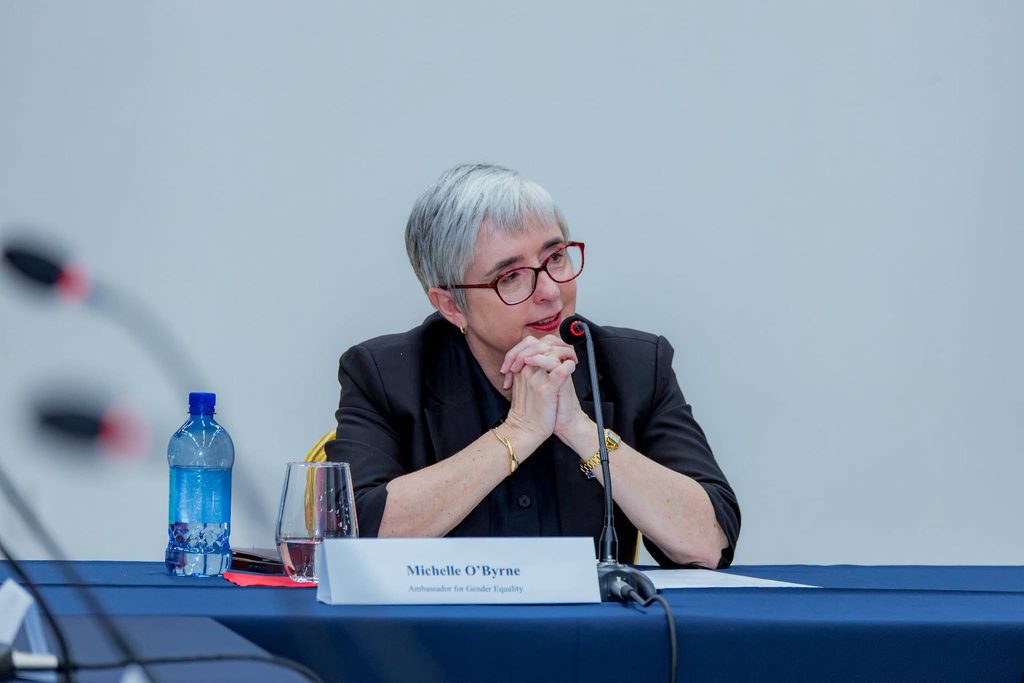
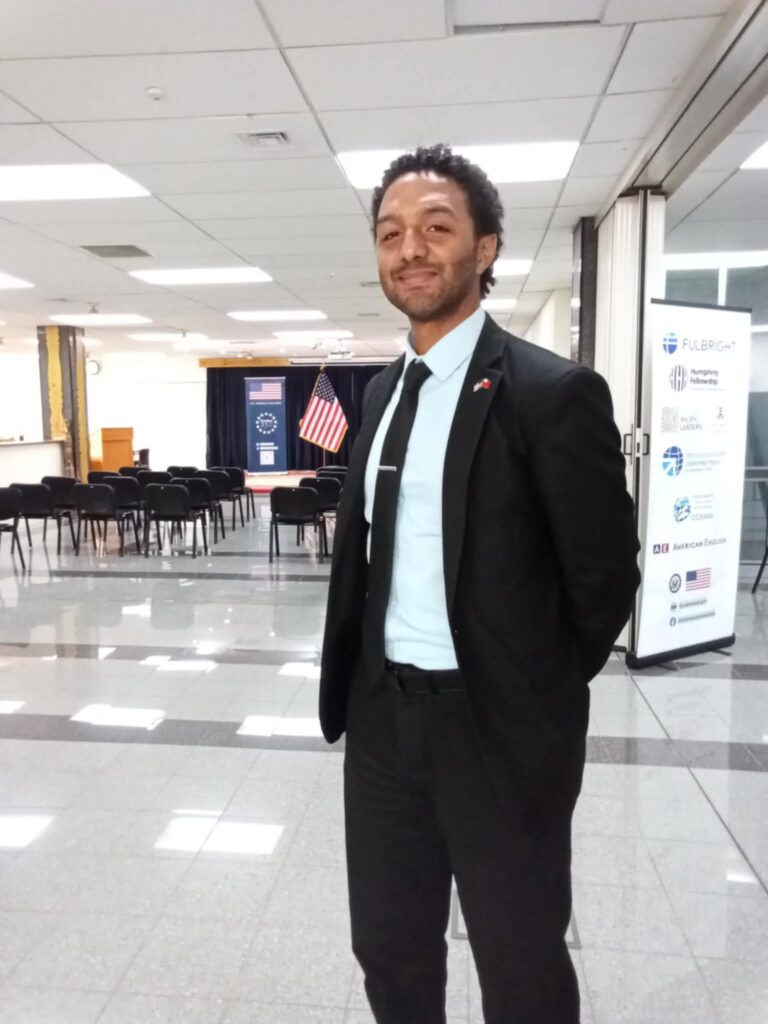
The investment, covering 2026 to 2029, was announced by Australia’s Ambassador for Gender Equality, Michelle O’Byrne, during her first official visit to Tonga. Ambassador O’Byrne joined Minister for Internal Affairs Hon. Fane Fituafe for engagements in Vavaʻu and Tongatapu focused on strengthening women’s leadership, participation and inclusion.
The announcement comes alongside growing calls for stronger Government support for people with disabilities, particularly in access to training, skills development and employment.
At a 14 August 2026 press conference, the Chief Executive Officer of the Ministry of Internal Affairs, Hon. Mrs. Polotu Fakafanua Paunga, acknowledged the need for greater inclusion of people with disabilities and special needs.
CEO Ministry of Internal Affairs, Mrs. Paunga agreed that Government needs to address the provision of training and skills development so that people with disabilities can access opportunities to build their capacity and participate more fully in the workforce.
For Tonga’s disability community, the commitment is significant as many people continue to face barriers in accessing education, vocational training, employment and other opportunities.
Australia Targets Locally Led Inclusion
Australia’s AUD$20 million investment will support locally led Gender Equality, Disability Equity and Social Inclusion (GEDSI) outcomes in Tonga.
The programme will build on Australia’s existing partnerships with the Government of Tonga, Ministry of Internal Affairs, women’s rights organisations, organisations representing people with disabilities and civil society groups.
The investment will also support the implementation of Tonga’s national gender equality and disability inclusion priorities, including those outlined in the Women’s Empowerment and Gender Equality Tonga (WEGET III) Policy, the National Disability Inclusive Development Policy and priorities emerging from the recent National Women’s Fono.
Australia will also continue its flagship Families Free of Violence initiative as part of wider efforts to promote safer, more equal and inclusive communities.
‘Development is strongest when it is locally led’
Ambassador O’Byrne said,
“Through this investment, Australia is proud to work alongside government, civil society and communities to support Tongan-led priorities, because development is strongest when it is locally led.”
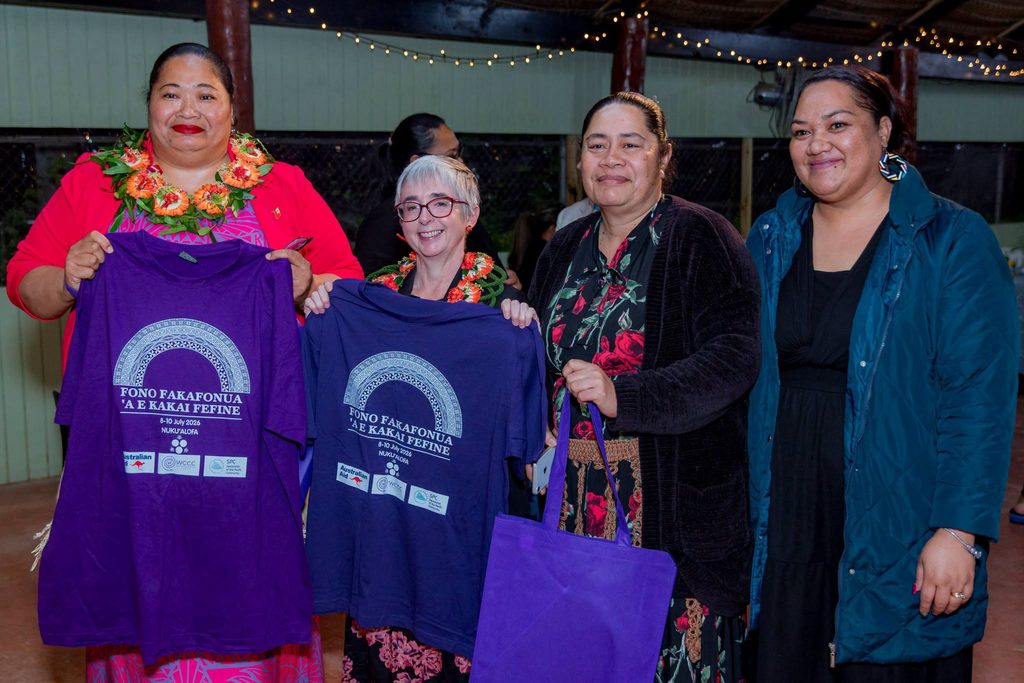
Ambassador O’Byrne also stressed that inclusion benefits society as a whole.
“Inclusive societies are stronger societies. When women and men can participate equally, when people with disability can contribute fully, and when communities are free from violence, countries are more resilient, prosperous and secure.”
Young People and Disability Community at the Centre
The focus on skills training is particularly important for young Tongans with disabilities, who can face additional challenges in moving from education into vocational training and employment.
The Ministry of Internal Affairs’ acknowledgement of this need raises expectations that the new investment will translate into practical programmes that provide training, employment pathways and greater participation for people with disabilities.
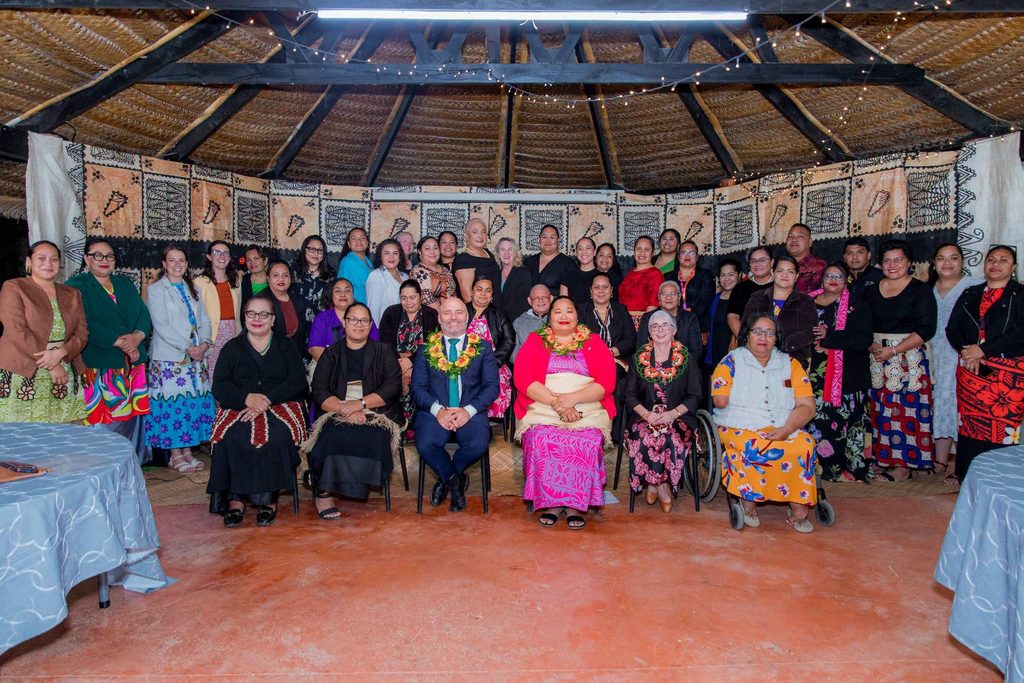
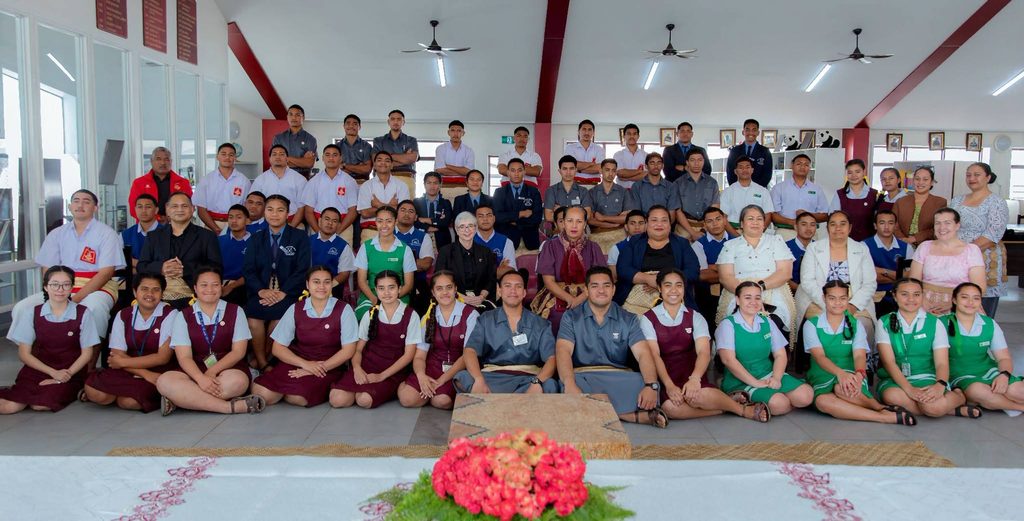
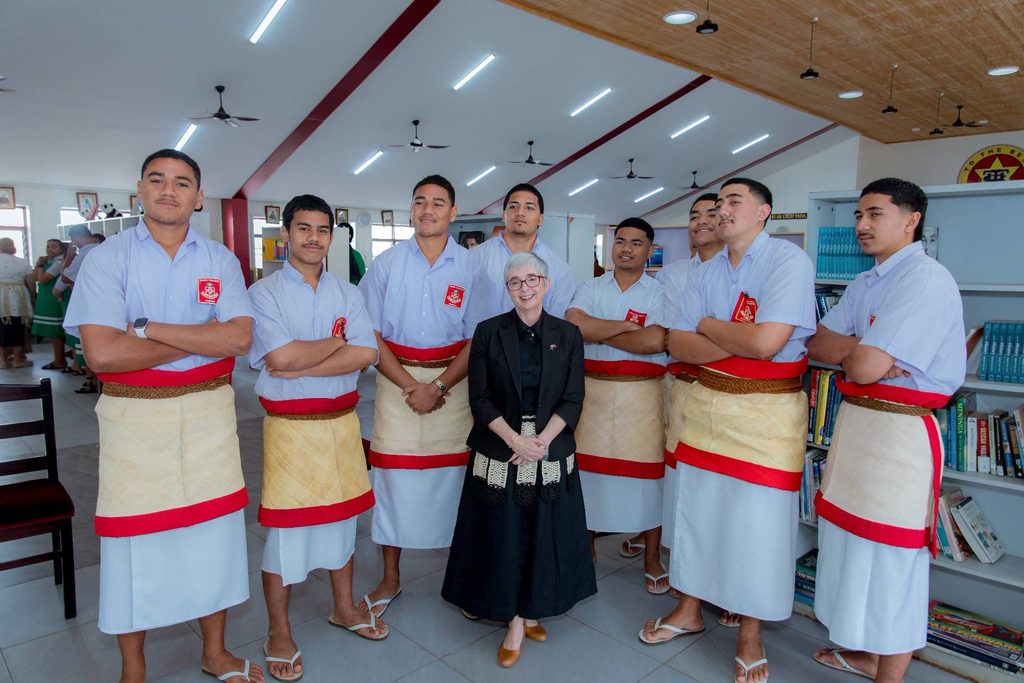
The Australian Ambassador’s visit also included engagements with young people and community leaders, including a talanoa with student prefects from schools across Tonga.
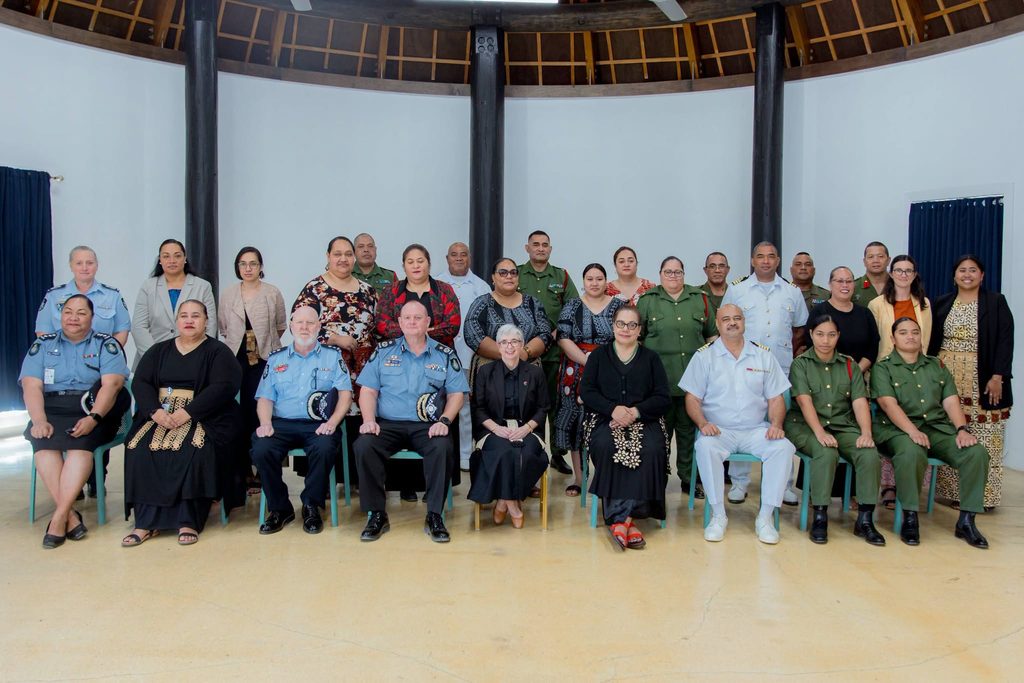
Ambassador O’Byrne also participated in a Women, Peace and Security roundtable, a lunch with HRH Crown Princess Sinaitakala Tuku’aho and members of Justice, and a reception with GEDSI partners.
For Tonga’s deaf and disability communities, the combined commitments from the Government of Tonga and Australia provide an opportunity to move beyond recognition of disability rights towards practical inclusion in education, skills training, employment and community life.
The challenge now will be ensuring that the AUD$20 million investment reaches the communities it is intended to serve and produces measurable opportunities for Tongans living with disabilities.
Australia has reaffirmed its commitment to working alongside Tonga as Kaumeʻa Ofi — close friends, with the shared goal of building a more equal, inclusive and resilient society.