

Home Blog Page 18

Ko e ‘A’ahi ‘a e Palemia Tokoni ‘o Nu’usila ki Tonga ‘Oku Ne Fakahā ‘a e Vā Fengāue’aki Mālohi ‘i he Pasifiki ‘i he Lotolotonga ‘o e Ta’epau Fakamamani Lahi

0

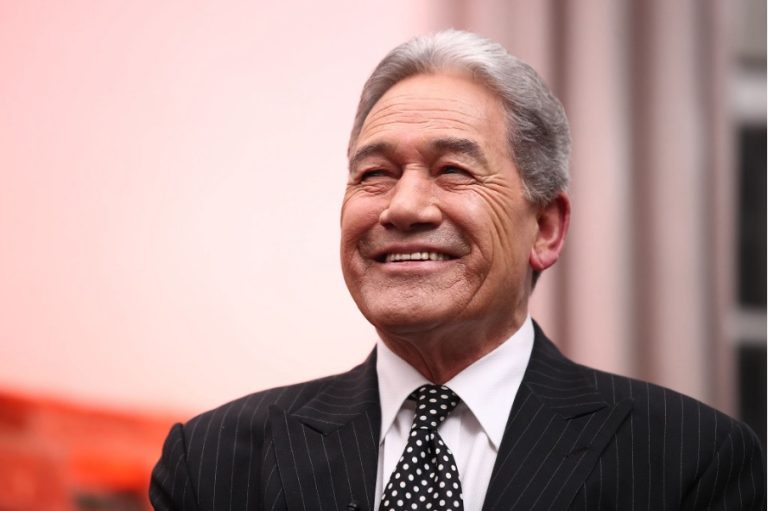
Ko e Minisitā ki Muli ‘a Nu’usila, ko Winston Peters, ‘a ia ‘oku ‘i Tonga ko ‘ene ‘uluaki tu’uta ‘i ha fononga ‘i he Pasifiki ‘i ha uike kakato, kuo ne fanongonongo ‘a ‘ene fakangatangata ‘a e ngaahi tu’utu’uni ki he ngaahi visa ma’a e kau ‘a’ahi mei he ngaahi Fonua Motu ‘i he Pasifiki.

Nukuʻalofa, Tonga — Ko e Palēmia Tokoni mo e Minisitā ki Muli ‘a Nu’usila ko Winston Peters na’e a’u mai ki Tonga ‘i he uike ni, ‘o ne tataki ha kau fakafofonga mei he ngaahi pāti kehekehe ko ha konga ‘o ha misiona fakafeitu’u ‘o e Pasifiki. Ko ‘ene ‘a’ahi, ‘a ia ‘oku fakailonga’i ‘aki ‘a e tūponopono māfana mo e ngaahi liliu mālohi ‘i he tu’utu’uni fo’ou ‘o e nofo fakataimi, ‘oku hoko mai ia ‘i ha taimi ‘o e tupu ‘a e ta’epau fakamamani lahi, tupulaki ‘a e ngaahi fepaki fakasiokalafi fakapolitikale, pea mo e ngaahi tukuhau fakavaha’apule’anga fo’ou ‘a e ‘Amelika ‘a ia ‘oku ne uesia ‘a e ngaahi Fonua Motu ‘i he Pasifiki.

Tonga ‘i he Lotolotonga ‘o e Tokanga Fakafeitu’u

Tonga, ‘i he malumalu ‘o e taki ‘o e Palēmia fo’ou ko Dr. ‘Aisake Valu Eke, kuo fakatokanga’i ‘i he ngaahi sio fakafeitu’u. Ko Dr. Eke, na’a ne hu ki he mafai ‘i he konga ki mu’a ‘o e ta’u ni hili ‘a e fakafisi ‘a e Palēmia kimu’a ko Siaosi Sovaleni, ‘oku ne toe hoko foki ko e sea ‘o e Kōsilio ‘a e Ngaahi Fonua ‘o e Pasifiki. ‘I he’ene tauhi, ‘oku ‘amanaki ‘a Tonga ke hoko ko ha tokotaha va’inga mahu’inga ‘i hono fokotu’utu’u ‘o e ngaahi me’a mahu’inga fakafeitu’u, kau ai ‘a e feinga ke lahi ange ‘a e fakafalala kiate kinautolu pe ‘i he malu fakamalu’i mo e fakalakalaka faka’ekonomika.

Ko e ‘a’ahi ‘a Peters ‘oku ne fakamamafa’i ‘a e fakatokanga’i ‘e Nu’usila ‘a e fatongia fakasiokalafi mahu’inga ‘o Tonga ‘i he feitu’u. ‘I he ngaahi fealēlea’aki mo Dr. Eke, na’e tokanga ‘a e ngaahi fetalanoa’aki ki hono fakamālohi’i ‘o e malu fakatahi, poupou’i ‘o e ngoue, mo e fakapapau’i ‘o e ngaahi mahu’inga ‘oku na vahevahe ‘i he vaha’a ‘o e ongo fonua.

“Ko e feitu’u ‘eni ‘oku mahu’inga ‘aupito kiate kimautolu,” ko e lau ia ‘a Peters lolotonga ‘ene ‘a’ahi. “Pea ‘oku mau ‘i heni ke fakahaa’i ‘a e poupou ko ia, ‘o ‘ikai ‘i he ngaahi lea pe ka ‘i he ngaahi ngaue ‘oku ne fakatupu ha liliu ‘oku kehe.”

Fakangatangata ‘o e Visa, Langa ha Ngaahi Halafakakavakava

Na’e ‘asi ‘a e fanongonongo lahi taha ‘o e misiona ‘a Peters ki he Pasifiki ‘i hono fakaha ‘a e ngaahi liliu mahu’inga ‘i he tu’utu’uni ki he nofo fakataimi. ‘O kamata ‘i Siulai, ko e kau ‘a’ahi mei he ngaahi fonua ‘o e Kōsilio ‘a e Ngaahi Fonua ‘o e Pasifiki te nau malava ke ma’u ha ngaahi visa ‘a’ahi ki Nu’usila ‘a ia ‘e lava ai ‘o hu tu’o lahi ki he fonua ‘i he ta’u ‘e ua — tupu ua mei he ta’u ‘e taha lolotonga.

‘I he hanga ua, ‘o kamata ‘i Novema, ko e kakai Pasifiki ‘oku nau folau mei ‘Aositelēlia ‘i ha visa ngāue, ako, pe famili ‘e ‘ikai ke nau toe fiema’u ha visa makehe ke ‘a’ahi ki Nu’usila ki ha ngaahi nofo ‘o a’u ki he māhina ‘e tolu. Ka ko ha Mafai Folau Fakaelekitulōnika fiemālie (NZeTA) ‘e fe’unga ia.

“‘Oku mau fiema’u ke faingofua mo ma’ama’a ange ki he kakai mei he Pasifiki ke ‘a’ahi ki Nu’usila,” ko e fakamatala ia ‘a Peters. Na’e fakamatala ‘a e Minisitā ki he Nofo Fakataimi ko Erica Stanford ‘e tokoni foki ‘eni ke fakaholoholo’i ‘a e ngaahi totongi mo to’o ‘a e ngaahi fakafe’atungia’i ‘oku ‘ikai fiema’u ma’a e kau folau mei he Pasifiki.

Ko e ngaahi liliu ko ‘eni ‘oku vakai ki ai ko ha tali hangatonu ki he ngaahi kole tu’u fuoloa mei he kau taki ‘o e Pasifiki ke tau’atāina ange ‘a e fefolau’aki ‘i he feitu’u — pea ko ha founga poto fakavaha fengāue’aki ‘a ia ‘oku ne fakamamafa’i ‘a e ‘ilonga ‘o Nu’usila ko ha konga ‘o e fāmili ‘o e Pasifiki.

Ko ha Feitu’u ‘Oku Takatakaiʻi ‘i he Vaeua ‘o ha Fepaki Fakamamani Lahi

Neongo na’e fiefia ‘a e ‘a’ahi ‘a Peters, ko e ‘ātakai faka-Pasifiki fakalukufua ‘oku hou ange. ‘I he uike kuo ‘osi pē, na’e lulu’i ‘a e ngaahi Fonua Motu ‘o e Pasifiki ‘e ha fanongonongo fakafepaki mei he ‘Amelika ‘a ia na’e fokotu’u ai ha ngaahi tukuhau fakavaha’apule’anga fo’ou. Na’e hilifaki ki he konga lahi ‘o e ngaahi fonua ha tukuhau pe ‘e 10% ki he ngaahi koloa ‘oku uta atu ki he ‘Amelika, ka ko ha ni’ihi — kau ai ‘a Fisi, Vanuatu, mo Nauru — na’e uesia lahi ange, ‘aki ‘a e ngaahi tu’unga ‘o e tukuhau mei he 22% ki he 32%.

‘I hono fakahoa ki he tu’unga ko ‘eni, ko Niue mo Palau na’e fakatokanga’i ‘ene ‘ikai ke kau ‘i he lisi — ko ha sitepu ‘oku pehē ‘e he kau mataotao ‘oku ne fakahaa’i ‘a e ‘ikai pē ke ‘i ai ha founga ngāue pau ‘i he tu’utu’uni ngāue ‘a e ‘Amelika ‘o ‘ikai ko ha fokotu’utu’u fakavaha fengāue’aki. Ko e ta’efa’alataha ko ‘eni kuo ne fakatupu ‘a e puputu’u mo e hoha’a ‘i he feitu’u kotoa.

‘I he ‘uhinga ko ‘eni, ko e misiona ‘a Peters ‘i Tonga, Hawaiʻi, mo Vanuatu ‘oku hā ko ha misiona kuo fokotu’utu’u ke fakahaa’i ko Nu’usila ko ha hoa ngāue tu’uma’u mo tali vave. ‘Aki ‘a hono ‘oange ‘a e tu’unga fakaangaanga ‘o e hu ‘i he visa mo e fetalanoa’aki ‘i he tu’unga mā’olunga, ko Wellington ‘oku ne fakafonu ha vaha’ataimi ‘oku fiema’u lahi ki he falala mo e fepōtalanoa’aki.

‘Oku Fokotu’u ha Tukufakaholo

Ko e fakavavevave ‘a Peters ‘i hono fakamālohi’i ‘a e ngaahi fetu’utaki ‘i he Pasifiki ‘oku ‘uhinga fakatāutaha foki. ‘I he lolotonga ‘o e aleapau ‘a e pule’anga fakatahataha, te ne ngāue ko e Palēmia Tokoni pe ‘i he ‘uluaki māhina ‘e 18 ‘o e vaha’ataimi ta’u ‘e tolu, kimu’a pea ne tuku ‘a e fatongia ki he taki ‘o e Pāti ACT ko David Seymour. ‘Oku kei puke ‘e Peters ‘a e lakanga ‘o e Ngaahi Me’a Fakamuli ka ‘oku hā ‘oku ne tokanga ke ngāue’aki lelei ‘a e ngaahi māhina ko ‘eni.

‘Oku fokotu’u mai ‘e he kau siofi ‘a e fakatahataha ‘o e ngaahi liliu ki he visa — fakataha mo ‘ene feinga mā’olunga ki he Pasifiki — ‘e ala hoko ia ko e tukufakaholo ‘ene ngāue. Ko ha hokohoko atu foki ‘eni ‘o ‘ene ngāue kimu’a ‘i he fa’unga “Pacific Reset”, ‘a ia na’e fakamamafa’i ai ‘a e ngaahi vā fengāue’aki loloto mo faka’apa’apa’i ange mo e ngaahi fonua motu.

‘I he ta’u pe ko ‘eni, kuo ‘a’ahi ‘a Peters ki he 11 ‘i he 17 ‘o e ngaahi fonua kehe ‘o e Kōsilio ‘a e Ngaahi Fonua ‘o e Pasifiki, ko ha vave ta’efakalanuka ‘a ia ‘oku ne fakahaa’i ‘a ‘ene tui tu’u fuoloa ko e malohi ‘o Nu’usila ‘oku ‘i he’ene ngaahi fetu’utaki fakafeitu’u.

Ngaahi Tu’uta Hoko: Hawaiʻi mo Vanuatu

Mei Tonga, ‘e folau ai ‘a Peters ki Hawaiʻi, ‘a ia ‘e hoko ‘a e malu’i ko e tefito’i taumu’a. Ko e ‘api ‘o e ‘Amelika Indo-Pacific Command, ‘oku fakahoko ‘e Honolulu ha fatongia mahu’inga ‘i he tu’unga malu fakafeitu’u. ‘Oku ‘amanaki ke fe’iloaki ‘a Peters mo e kau ‘ōfisa ‘o e ‘Amelika ke alea’i ‘a e malu fakatatahi, fengaue’aki faka-tau’uta, pea mo e founga ngāue fakafeitu’u ‘i he Pasifiki.

Ko ‘ene tu’uta fakamuimui taha ‘e ‘i Vanuatu, ‘a ia ‘e tokanga ai ‘a e ngaahi fetalanoa’aki ki he fakaakeake ‘i he ngaahi fakatamaki, ‘inivesi ‘i he ma’u’anga ‘uhila fakafo’ou, pea mo e fefolaua’aki ngāue. Koe’uhi ko Vanuatu ‘oku kei fakaakeake mei he ngaahi mofuike mo e ngaahi saikolone kimuí ni mai, ko ha feitu’u mahu’inga foki ia ‘o e kau ngāue fakataimi ma’a Nu’usila — ko ha kaveinga ‘e ala hoko ko e me’a mahu’inga ‘i he ngaahi fetalanoa’aki fakavaha’a fonua.

‘E kamata’i foki ‘e Peters ha poloseki mahu’inga ‘o e ma’u’anga ‘uhila fakafo’ou ‘i Port Vila, ‘a ia ‘oku fakapa’anga fakataha ‘e Nu’usila mo Falanisē, ‘a ia ‘oku fakataumu’a ke holoki ‘a e fakafalala ‘a e fonua ki he tisolo ‘oku hu mai mei tu’apule’anga.

‘I he hoko atu ‘a e folau ‘a Winston Peters ‘i he Pasifiki, ko ‘ene ‘a’ahi ki Tonga ‘e ala manatu’i ia ko ha poini liliu ‘i he vaha fengaue’aki fakafeitu’u ‘a Nu’usila — ko ha vā ‘oku ‘ikai fakatoka ‘i he ngaahi fanongonongo lalahi, ka ‘i he ngaahi sitepu fakapotopoto, tokanga ki he kakai ke fakamalohi’i ‘a e uouangataha ‘o e Pasifiki ‘i ha māmani ‘oku fakaauha ‘e he ngaahi mavahevahē.

Fai ‘e Melino Maka Tonga Independent News
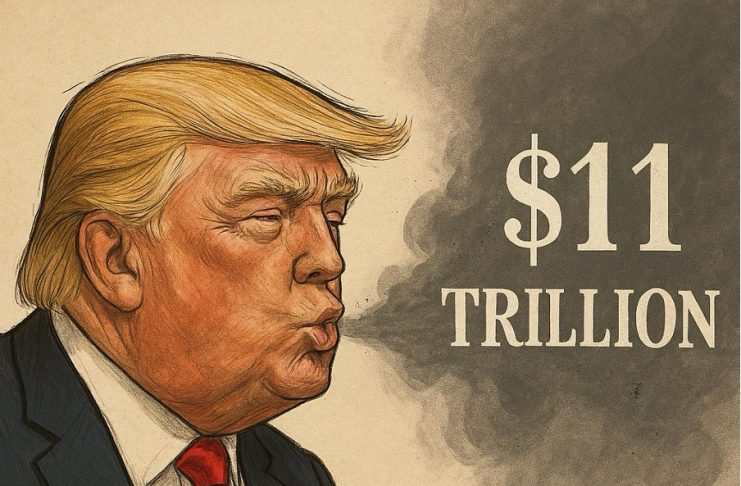
Ko e Peau Kula Tute $11 Tilioni ‘a Trump ‘Oku Ha’u — Pea ‘Oku ‘Ikai Mateuteu ‘a Tonga

0

Ko e ngaahi fanongonongo tute lahi ‘a Trump kuo ne holoki ha $11 tilioni fakaofo mei he ngaahi māketi fakamamani lahi.

Lolotonga fepulingi ‘a Uāsingatoni mei he folaua faka’ekonōmika pea mo e kau Lipapilika ‘oku nau feinga ke ta’ota’ofi ‘a e maumau, ‘oku ‘i ai ha matangi lahi ange ‘oku haʻu ‘i he Pasifiki — pea ‘oku tu’u hangatonu ‘a Tonga ‘i hono halanga.

Ko e toe foki mai ‘a e Palesiteni motu’a ko Tonalati Talamu ki he mafai ‘e kei lau māhina, ka ko ‘ene ngaahi ngāue fakamuimui taha ‘i he fefakatau’aki fakamamani lahi ‘oku ‘osi ongo mai. Ko ‘ene ngaahi fanongonongo tute lahi — ‘oku ‘osi fakamalohiaʻi ‘a e niʻihi pea ‘oku kei fakamanamanaʻi ‘a e ngaahi meʻa lahi ange — kuo holoki ha $11 tilioni fakaofo mei he ngaahi māketi fakamamani lahi. Pea ko ‘eni, naʻa mo e kau senatoa Lipapilika, ‘a ia ko e kau malu’i tu’una’a ‘o e populisima faka’ekonōmika ‘a Talamu, ‘oku nau ‘angi fakahāhā ki he meʻa ‘oku nau lau ko ha founga ta’efakapotopoto mo ta’elava ‘o hokohoko atu.

Ko e hohaʻa ‘oku ‘ikai toe ‘i loto pē. Ko e ngaahi hū ‘a e mofuike faka’ekonōmika ‘o e tau fefakatau’aki ‘a Talamu ‘oku ‘amanaki ke taa’i ‘a e tuliki kotoa ‘o e māmani — pea ko e ‘Otu Motu Pasifiki, tautautefito ki Tonga, ‘oku tu’u lavea ngofua ‘aupito.

Ko e Tō Mai ‘a e ‘Apē Tute

Ko e fakahoko tafa’aki pe ‘e taha ‘e Talamu ‘a e ngaahi tute ‘i he ngaahi koloa muli — ‘o taumu’a ki he me’a kotoa pē mei he ukamea Siaina ki he ngaahi me’alele ‘Eulope pea mo e me’akai tahi ‘o e Pasifiki — kuo ne fakatupu ‘a e me’a ‘oku ui ‘e he kau mataotao ko e “tō lalo faka’ekonōmika ‘oku nau fakatupu pē ‘iate kinautolu.” Pea ko e kovi taha ‘e ala kei hokosi mai.

‘I he lao fo’ou ‘oku fokotu’u, ‘a ia ‘oku tataki ‘e he kau Senatoa Lipapilika hangē ko Siaki Kalasili mo Misi Makoneli, ko ha fa’ahinga tute ‘i he kaha’u ‘e fie ma’u ke fakatonuhia’i ki he Kongalesi ‘i loto ‘i he houa 48 pea ‘e ‘osi fakataimi ‘i he ‘aho ‘e 60 tukukehe ‘o ka fakafo’ou ‘i ha vouti. Ko e ngāue fakataha fakapa’anga ‘eni ko ha faka’ilonga ‘o e mamafa ‘a e ngaahi nunu’a kuo hoko.

Ka kuo ‘osi fakahā mahino ‘e Talamu: ‘e ‘ikai te ne tukuhifo.

‘Oku ‘uhinga ia ‘e ala lahi ange ‘a e ngaahi tute. Totongi ma’olunga ange ‘i he ngaahi koloa hū mai. Ngaahi tute fakatonutonu mei he ngaahi fonua kehe. Ngaahi senolī tufaki’anga kuo uesia. Hikihiki totongi koloa. Pea faka’osi, ko e mamahi tatau pē ‘oku ne ue’i ‘a Uolo Sitilīti ‘e ‘ilo hono hala ki he ngaahi falekoloa ‘i Nuku’alofa, ‘Apia, Suva, mo Honiala.

Ko e ‘Uhinga ki Tonga: Ko ha Peau Kula ‘o e Ngaahi Totongi

Ki he ngaahi fonua motu iiki hangē ko Tonga, ko e totongi ‘o ha tau fefakatau’aki ‘a Talamu ‘e ala fakatu’utāmaki. ‘Oku tau fakafalala lahi ki he koloa hū mai ki he lolo, me’atokoni, nāunau langa, mo e ngaahi nāunau faito’o tefito. Kapau ‘e tupu ‘a e totongi ‘o e ngaahi koloa hū mai ko ‘eni — ‘i he tupu vave ‘a e ngaahi tute fakamamani lahi pea mo e senolī tufaki’anga mafōtunga — ‘e taa’i vave mo mālohi ‘a e ngaahi ‘api ‘i Tonga.

Ko e founga ‘eni:

  • Lolo mo e Fefononga’aki: Ko e lahi ‘o ‘etau lolo ‘oku hū mai mei tu’apule’anga, pea ko ha fa’ahinga uesia fakamamani lahi ki he totongi lolo ‘e teke leva ki ‘olunga ‘a e ngaahi totongi fefononga’aki. ‘Oku uesia ‘e he me’a ni ‘a e me’a kotoa pē: uta’anga, tekisi, pasi — pea mo e totongi ‘o ha niu ‘i he māketi fakalotofonua.
  • Malu ‘o e Me’atokoni: Neongo ‘oku tau tō ha konga lahi ‘o ‘etau fua’i’akau, ko e laise hū mai, mahoaʻa, koloa kāni, pea na’a mo e me’akai ‘a e fanga monumanu ko e tefito’i me’akai ‘i he ngaahi ‘api ‘i Tonga. Ko e ngaahi tupu fakapā ‘i he totongi tupu mei he tute ‘e fakatupu ha palopalema ‘i hono lava ‘e he kakai ‘o totongi ‘a e me’akai.
  • Pa’anga mei Muli mo e Kakai Tu’apule’anga: Ko hotau ngaahi fāmili ‘i Nu’usila, ‘Aositelēlia, mo e ‘Iunaiteti Siteiti ‘oku nau ‘ave mai ‘a e ngaahi pa’anga ‘a ia ko e mo’ui ia ki he ngaahi ‘api ‘e lauiafe. Kapau ‘e tuai hifo ‘a e ngaahi ‘ekonōmika ko ia ‘i he mafasia ‘o e tute, ‘e holo ‘a e tafe ‘a e pa’anga mei muli ‘i he taimi kovi taha.
  • Langa mo e Nofo’anga: Ko e ngaahi nāunau ki he ngaahi ‘api mo e ngaahi ngāuelanga ‘a e pule’anga — mei he ngaahi fa’o, ‘aione ki he fungafale, ‘anga’anga — ‘oku lahi ‘oku hū mai mei tu’apule’anga. Ko ha fa’ahinga ‘apē maumau ‘i he fefakatau’aki ‘e toloi ‘a e ngaahi poloseki langa pea ‘e hikihiki ‘a e ngaahi totongi, ‘o ‘ai ke toe faingata’a ange ‘a e pa’usi’i mei he ngaahi saikolone mo e ngaahi fakatamaki.

Kapau Ko ha Saikolone Eni, Te Tau Mateuteu — Ko e Hā Leva ‘Oku ‘Ikai Te Tau Mateuteu Ai He Taimí Ni?

Tau ui eni ki he me’a ko ia — ko ha fakatamaki faka’ekonōmika fakaenatula.

Kapau ko e ngaahi me’a ‘o e uike kuo’osi ko ha Saikolone Kalasi 5 pe ha mofuike lahi, ko e pule’anga, ko e ‘Ōfisi Pule’i ‘o e Fakatamaki Fakafonua (NEMO), mo e Kolosi Kula ‘a Tonga ‘e ‘i he letio kotoa mo e telesivisone, ‘o fakatokanga ki he kakai mo teuteu’i ‘a e fonua ki he uesia.

Ka ko hono fetongi, ‘oku hangē ‘oku ‘i ha feitu’u kehe ‘a e tokanga ‘a e fonua — ‘o kalanga ‘i he ngaahi fe’auhi sipoti fakavaha’a ‘apiako lolotonga ‘oku fa’u ha peau ‘ekonōmika lalahi ‘i tu’a he ‘oseni.

Ko e hā e me’a na’e hoko ki he peau ‘uluaki ‘o e ngaahi tute ‘a Talamu? Kuo nau ‘osi uesia fēfē ‘a e ngaahi koloa hū mai ‘a Tonga, totongi, pe tafe ‘a e pa’anga mei muli? ‘Oku ‘ikai te tau ‘ilo — koe’uhi ‘oku te’eki ai ke ‘i he leta ‘a e pule’anga, pe kapau ‘oku ‘i ai, ‘oku te’eki ai ke nau ta’o ‘a e tala ‘o tokanga.

Ha “Pēketi Mo’ui” ma’a Tonga: Ko e Hā ‘a e Me’a ‘oku Tonu ke Fai He Taimí Ni

Kapau ko ha peau kula faka’ekonōmika mo’oni ‘eni, ‘oku tau fie ma’u ha palani founga ki ha fakatamaki. ‘Ikai ‘i he māhina kaha’u. He taimi ni.

Ko e me’a ‘eni ‘oku totonu ke fai he vave taha ‘e he Pule’anga Tonga ke teuteu mo holo e ta ki hono kakai:

  1. Fokotu’u ha Kulupu Ngāue ki he Tali Faka’ekonōmika
    Fakatahataha’i ‘a e ngaahi potungāue mahu’inga, ko e Pangikē Pule, kau fakafofonga ‘o e sekitoa taautaha, mo e ngaahi hoa tokoni ke fakafehokotaki ha founga ngāue fakafonua pea fakataha ma’u pē ke ‘oatu ha ngaahi fakamatala fakamuimui taha.
  2. Tānaki Mu’aki ‘a e Ngaahi Me’a Mahu’inga
    Ngāue mo e kau hū koloa mai ke malu’i ha māhina ‘e tolu ‘o e lolo, laise, mahoaʻa, mo e faito’o ‘i he ngaahi totongi lolotonga ki mu’a pea tupu fakamamani lahi ‘a e ngaahi totongi.
  3. Fakafe’unga’i ha Pa’anga Fakataimi ki hono Fakapapau’i e Tu’utu’uni Totongi
    Ngāue’aki ‘a e ngaahi pa’anga ki ha me’a ‘e hoko pe kumi tokoni mei tu’a ke tauhi ma’u ‘a e totongi ‘o e ngaahi koloa tefito — me’akai, lolo, faito’o — ke tu’u ma’u ma’a e ngaahi ‘api.
  4. Tokoni’i ‘a e Ngoue Fakalotofonua mo e Toutai
    Kapau ‘e ‘ikai malava ‘o totongi ‘a e ngaahi koloa hū mai, ‘e hoko leva ‘a e fakatupu fakalotofonua ko e me’a mahu’inga. ‘Oange ha tokoni he vave taha ki he kau ngoue mo e kau toutai ke fakalahi ‘a e fakatupu ‘o e me’akai.
  5. Fengāue’aki mo e Kakai Tonga ‘i Tu’apule’anga
    Fakaava ha ngaahi feitu’u fetu’utaki mo e kakai Tonga ‘i tu’apule’anga pea ‘ai ke ‘ilo mahino ‘a e mahu’inga ‘o e hokohoko atu ‘a e pa’anga mei muli lolotonga ‘a e vaha’ataimi ‘o e ta’ema’u fakapapau fakamamani lahi.
  6. Fakamatala ki he Fale Alea mo e Kakai
    ‘Oku ‘ikai ko e taimi ‘eni ki he politikale angamaheni. ‘Oku totonu ke fakamatala’i ‘a e kau Mēmipa Fale Alea kotoa, pea ‘oku totonu ke hoko ko e tu’unga ‘a e ngaahi fakamatala tu’o lahi ‘oku ‘oatu ki he kakai.
  7. Fakamolemole ‘a e Ngaahi Feitu’u Fetu’utaki Fakatu’apule’anga
    Ngāue mo e ngaahi fonua kehe ‘o e Pasifiki ke ui ki he ngaahi faka’ata mei he tute mei he ngaahi hoa ngāue mahu’inga. ‘E ‘ikai lava ‘a Tonga ‘o hoko ko ha maumau fakataha pē ‘i ha tau ‘ekonōmika fakamamani lahi.

‘Oku ‘i ai ha Totongi ‘o e Ta’ema’u Fakapapau Fakamamani Lahi

Ko Simi Mesina, ko ha tokoni mā’olunga ki mu’a ki he Palesiteni ko Palaki ‘Opama, na’a ne fakanounou’i ‘a e me’a ‘oku tuhumalie’aki ‘i ha founga mālohi:

“‘Oku ou ma’u ha kau Palesiteni ‘e toko hongofulu tupu mo e kau Palemia ko ‘eku kau kasitomā. Ko e me’a ‘e taha ‘oku faitatau ai ‘a e kau Palemia, Palesiteni mo e kau CEO kotoa pē ko ‘enau fehi’a ‘i he ta’ema’u fakapapau. Pea ko e me’a kuo ke mamata ai ‘oku toe fakalaka atu ‘i he ta’ema’u fakapapau — mo e li ‘a e māketi fakafokifā ‘o fakavave ‘i he ngaahi fakamatala mo e ngaahi ongoongo hala.”

Ko e fa’ahinga ta’etui’eiki peheni ‘oku ne holoki ‘a e loto falala ‘a e ‘inivesitoa, fakavaivai’i ‘a e ngaahi sisitemi fefakatau’aki fakavaha’apule’anga, pea tuku ‘a e ngaahi ‘ekonōmika iiki, fakaava hangē ko Tonga ‘o ‘ikai ha feitu’u ke nau hiki ki ai. Ta’e’i ai ha lava ‘o mateuteuvai, ‘oku ‘ikai ha palani. Ta’e’i ai ha palani, ‘oku ‘ikai ha malu.

Ko ha Taimi ‘o e Tu’unga Fakannānahi

‘Oku ‘ikai ko e talanoa pē ‘eni ‘o ha tangata ‘e taha ‘i he Fale Hinehina. Ko e talanoa ‘eni ‘o e ongo ngofua ‘a e ‘ekonōmika fakamamani lahi — pea ‘a e vave ‘o e ala tāfia atu ‘a e ngaahi fonua iiki hangē ko Tonga.

Ko e ngaahi palopalema faka’ekonōmika ‘oku ne tautea ‘a e masiva ‘uluaki pea fakamamafa. Ko e fa’ē ‘i Ha’apai ‘oku fakatau laise. Ko e talavou ngoue ‘i ‘Eua. Ko e toulekeleka ‘i Vava’u ‘oku ne falala ki he faito’o hū mai. Ko e kakai ‘eni ‘oku totonu ke tau malu’i.

Ngaahi Fakakaukau Fakaʻosi: Ta’o ‘a e Fakatokanga

‘Oku tala ko e tahi ‘oku ‘ikai te ne ‘oatu ha fakatokanga ki mu’a ‘i ha peau kula — tukukehe kapau ‘oku ‘i ai ha taha ‘oku siofi. ‘I he taimi ni, ‘oku toho hake ‘a e tahi.

Ko e ngaahi faka’ilonga fakatokanga ‘oku ‘i he feitu’u kotoa pē: $11 tilioni kuo mole. Tupu ‘a e hikihiki totongi ‘o e me’akai. Launoa ‘a e tu’utu’uni fakatu’apule’anga ‘a e U.S.. Ko e kau taki ‘o e Pasifiki hangē ko hotau kau taki ‘oku fie ma’u ke ngāue he taimí ni — ‘ikai ‘i he taimi ‘e tā’i ai ‘a e peau.

‘Oku kei ma’u pē ‘e Tonga ha taimi. Ka ko e matapā sio’ata ko ia ‘oku vave ‘ene tapuni.

Tau fakatauange ko hotau kau taki ‘oku ‘ikai te nau femo’uekina ‘aupito ‘i hono fakatauhoa ‘a e patiseti ‘o Sune — pe mamata’i ‘a e sipoti fakaako — ke fakatokanga’i ‘oku ‘osi ngoto ‘a e ‘ekonōmika fakamamani lahi.

Fai ‘e Melino Maka
Ongoongo Tau’atāina ‘a Tonga

Trump’s $11 Trillion Tariff Tsunami Is Coming — And Tonga Is Not Ready

0

Trump sweeping tariff announcements have wiped a staggering $11 trillion off global markets.

While Washington reels from economic whiplash and Republicans scramble to contain the damage, a far greater storm is heading across the Pacific — and Tonga is standing directly in its path.

Former President Donald Trump’s return to power may still be months away, but his latest moves on global trade are already reverberating. His sweeping tariff announcements — some already enacted and more threatened — have wiped a staggering $11 trillion off global markets. And now, even Republican senators, once loyal defenders of Trump’s economic populism, are openly rebelling against what they see as a reckless and unsustainable strategy.

The concern is no longer just domestic. The economic aftershocks of Trump’s trade war are about to hit every corner of the globe — and the Pacific Islands, especially Tonga, are critically exposed.


The Tariff Avalanche

Trump’s unilateral imposition of tariffs on foreign goods — targeting everything from Chinese steel to European automobiles and even Pacific seafood — has created what many experts are calling a “self-inflicted recession.” And the worst may still be to come.

Under new proposed legislation, spearheaded by Republican Senators like Chuck Grassley and Mitch McConnell, any future tariffs would need to be justified to Congress within 48 hours and would automatically expire after 60 days unless renewed by a vote. This bipartisan move is a sign of how serious the consequences have become.

But Trump has already made it clear: he won’t back down.

That means more tariffs are likely. Higher prices on imports. Retaliatory tariffs from other countries. Disrupted supply chains. Inflation. And ultimately, the same pain that’s rattling Wall Street will find its way into supermarkets in Nuku‘alofa, Apia, Suva, and Honiara.


What It Means for Tonga: A Tsunami of Costs

For small island nations like Tonga, the cost of a Trump trade war could be catastrophic. We rely heavily on imports for fuel, food, construction materials, and basic medical supplies. If the cost of these imports rises — as global tariffs escalate and supply chains choke — Tongan households will be hit hard and fast.

Here’s how:

  • Fuel and Transport: Most of our fuel is imported, and any global shock to fuel prices will immediately push up transport costs. This affects everything: shipping, taxis, buses — even the price of a coconut at the local market.
  • Food Security: While we grow much of our own produce, imported rice, flour, tinned goods, and even livestock feed are staples in Tongan homes. Tariff-induced price hikes will trigger a food affordability crisis.
  • Remittances and the Diaspora: Our families in New Zealand, Australia, and the U.S. send back remittances that are lifelines to thousands of households. If those economies slow down under tariff pressure, the remittance flow will shrink at the worst possible time.
  • Construction and Housing: Materials for homes and government infrastructure — from nails to roofing iron to cement — are mostly imported. Any disruption in trade will delay building projects and inflate costs, making recovery from cyclones and disasters even harder.

If This Were a Cyclone, We’d Be Prepared — So Why Aren’t We Now?

Let’s call this what it is — an economic natural disaster.

If the events of last week were a Category 5 cyclone or a major earthquake, the government, the National Emergency Management Office (NEMO), and Tonga Red Cross would be on every radio and TV station, warning the public and preparing the country for impact.

But instead, the nation’s focus seems to be elsewhere — cheering at the inter-school sports competitions while a massive economic wave is forming offshore.

What happened with the first wave of Trump tariffs? How have they already affected Tonga’s imports, pricing, or remittance flows? We don’t know — because it’s not on the government’s radar yet, or if it is, they’ve yet to sound the alarm.


A “Survival Pack” for Tonga: What Must Be Done Now

If this is truly an economic tsunami, we need an emergency response plan. Not next month. Now.

Here’s what the Tongan Government must do immediately to prepare and cushion the blow for its people:

  1. Establish an Economic Response Taskforce
    Bring together key ministries, the Reserve Bank, private sector reps, and donor partners to coordinate a national strategy and meet regularly to provide updates.
  2. Pre-Stockpile Essentials
    Work with importers to secure at least three months’ worth of fuel, rice, flour, and medicine at current prices before global costs spike.
  3. Introduce a Temporary Price Stabilization Fund
    Use contingency funds or seek external aid to keep the cost of basic goods — food, fuel, medicine — stable for households.
  4. Support Local Agriculture and Fishing
    If imports become unaffordable, local production becomes vital. Provide immediate support for farmers and fishermen to boost food production.
  5. Engage the Tongan Diaspora
    Open channels with Tongans abroad and be transparent about the importance of continued remittances during this period of global instability.
  6. Brief Parliament and the Public
    This is not the time for politics-as-usual. All MPs should be briefed, and regular public updates should be standard.
  7. Activate Diplomatic Channels
    Work with other Pacific nations to call for trade exemptions from key partners. Tonga cannot be collateral damage in a global economic war.

Global Uncertainty Has a Price

Jim Messina, a former senior adviser to President Barack Obama, summed up the stakes powerfully:

“I have over a dozen Presidents and Prime Ministers as my clients. The one thing that Prime Ministers, Presidents and CEOs all have in common is they hate uncertainty. And what you’ve seen is just beyond uncertainty — with the market wild slings based on comments and bad rumours.”

This kind of instability undermines investor confidence, weakens international trade systems, and leaves small, open economies like Tonga with no room to manoeuvre. Without predictability, there is no planning. Without planning, there is no security.


A Moment of Reckoning

This isn’t just about one man in the White House. It’s about how fragile the global economy has become — and how quickly small nations like Tonga can be swept away.

Economic crises punish the poor first and hardest. The mother in Ha‘apai buying rice. The young farmer in ‘Eua. The pensioner in Vava‘u who relies on imported medicine. These are the people we must protect.


Final Thoughts: Sound the Alarm

It is said that the sea gives no warning before a tsunami — unless someone is watching. Right now, the tide is pulling back.

The warning signs are everywhere: $11 trillion lost. Food inflation rising. U.S. foreign policy in chaos. Pacific leaders like ours need to act now — not when the wave hits.

Tonga still has time. But that window is rapidly closing.

Let us hope our leaders are not too busy balancing June’s budget — or watching school sports — to notice that the global economy is already sinking.

By Melino Maka
Tonga Independent News

NZ Deputy Prime Minister Winston Peters Visits Tonga: Strengthening a Deep and Enduring Pacific Partnership

0

New Zealand Deputy Prime Minister arrives in Tonga with a NZ delegation

NUKUʻALOFA – Thursday, April 10, 2025

New Zealand’s Deputy Prime Minister and Foreign Minister, Hon. Winston Peters, arrives in Tonga today for a high-level visit that underscores the enduring relationship between the two Pacific nations. His delegation includes senior members of New Zealand’s Parliament and officials from the Ministry of Foreign Affairs and Trade.

A spokesperson for Minister Peters shared the purpose and key focus areas of the visit, which is set to include bilateral meetings with Prime Minister Dr. ‘Aisake Eke and members of the Tongan Cabinet.

“New Zealand has a close, long-standing relationship with Tonga, and this visit is a timely opportunity to strengthen our connections with Prime Minister Eke and the Tongan Cabinet,” the spokesperson stated.

During the visit, several significant announcements are expected—particularly in the areas of maritime safety and climate-smart agriculture. These initiatives reflect New Zealand’s continued commitment to support Tonga’s resilience in the face of ongoing climate and economic challenges.

New Zealand’s development assistance programme in Tonga supports a wide range of sectors, in line with the jointly agreed Statement of Partnership. The programme includes reform-linked budget support, health and education services, policing and security, climate change adaptation, disaster preparedness, and major infrastructure investments.

Two infrastructure projects in particular are expected to receive attention: the construction of a new Parliament building in central Nukuʻalofa and the deployment of a second undersea telecommunications cable, aimed at improving Tonga’s digital connectivity and regional integration.

The spokesperson also highlighted the important role of Tongan workers in New Zealand’s agricultural economy, noting that over 600 Tongans participated in the Recognised Seasonal Employer (RSE) scheme in 2024 alone.

“They play a vital role in New Zealand’s agricultural sector and represent the human connections that bind our two countries,” the statement said.

New Zealand also acknowledged regional concerns around visa policies, particularly the need for improved responsiveness to urgent cultural and family travel requests. Pacific communities, including Tonga, have long called for reforms to better accommodate the realities of life in the region.

Minister Peters’ visit is part of a broader Pacific mission involving cross-party support from the New Zealand Parliament.

“New Zealand’s commitment to the Pacific is enduring, transcending changes in government or politics. That is why we are here with a senior parliamentary delegation—to listen, to engage, and to better understand the Pacific’s priorities.”

The visit is expected to further reinforce the warm bonds of friendship and cooperation between Tonga and New Zealand and chart a shared course forward on mutual development and security priorities.

Ko e hā ‘oku fiema’u ke fakalakalaka ‘aki e Ako ‘i he Pasifiki?

0

Konifelenisi ‘a e kau Minisitā Ako ‘o e Pasifiki (CPEM) ‘i Port Moresby ‘i he ‘aho 30 Mā’asi 2025

‘I he Konifelenisi fakamuimui taha ‘a e kau Minisitā Ako ‘o e Pasifiki (CPEM) ‘i Port Moresby ‘i he ‘aho 30 Mā’asi 2025, ko e kamata’anga ‘o e Lipooti ki he Tu’unga ‘o e Ako ‘i he Pasifiki 2024 (SOPER24) na’e fakahaa’i ai ha sitepu mahu’inga ‘i hono muimui’i ‘a e fakalakalaka ‘a e feitu’u ki he ako lelei ma’á e kotoa. Na’e fa’u ‘e he Polokalama Sivi mo e Matu’uaki ‘o e Ako ‘a e Komiuniti Pasifiki (EQAP) ‘i he fengaue’aki mo e Kautaha Sitetisitika ‘a e UNESCO (UIS), ‘oku ‘omai ‘e he SOPER24 ha ‘ata kakato ‘o e founga ‘oku fakalakalaka ai ‘a e ako ‘i he Pasifiki kotoa.

Ka neongo ‘oku fakahīkihiki’i ‘e he lipooti ‘a e fakalakalaka—hangē ko e ngaahi founga tanaki ‘o e fakamatala mālohi ange mo e ngāue fakataha lelei ange—’oku toe fakahā mahino foki: ‘oku kei lahi ‘a e ngāue ke fai kapau ‘e a’usia ‘e he ngaahi fonua motu ‘o e Pasifiki ‘a e Taumu’a Fakalakalaka Tu’uloa hono 4 (SDG 4), ‘a ia ‘oku kole ke fakakau, tatau mo lelei ‘a e ako ma’á e kotoa.

‘Oku fakatotolo’i ‘e he fakamatala ni ‘a e ngaahi feitu’u mahu’inga ‘oku fiema’u fakavavevave ai ‘a e fakalakalaka pea ‘oatu mo e ngaahi sitepu ngāue ke langa ha founga ako ‘oku toe matu’uaki ange, fe’unga mo lelei ma’a e Pasifiki.

1. Langa ha ngaahi Founga Tanaki ‘o e Fakamatala ‘oku mālohi mo fakapotopoto ange

‘Oku poupou mālohi ‘a e SOPER24 ko e fakamatala lelei ko e fakava’e ia ‘o e tu’utu’uni fakapolitikale lelei ‘o e ako. Kuo pau ke ‘ilo’i ‘e he ngaahi fonua ‘a e feitu’u ‘oku faingata’a’ia ai ‘a e fānau ako, ‘a e feitu’u ‘oku fiema’u tokoni ai ‘a e kau faiako, pea mo e feitu’u ‘oku si’isi’i ai ‘a e ngaahi koloa. Meʻapango, ko e ngaahi fonua motu lahi ‘o e Pasifiki ‘oku nau kei fehangahangai mo e ngaahi vāvā fakafakamatala lahi ‘i hono tanaki mo ‘analaiso ‘o e fakamatala fakaako.

Tu’unga ‘i he fengaue’aki ‘a e EQAP mo e UIS, kuo fakahoko ha fakalakalaka ‘e ni’ihi. Ko e ngaahi fonua lahi ange ‘oku nau lava he taimí ni ‘o fakakakato ‘a e ngaahi līpooti fakamatala mahu’inga hangē ko e fehu’i ‘a e UIS. Ka ke lava ‘o fakalahi, ‘oku fiema’u ke fakahū ‘e he ngaahi pule’anga ‘i he:

  • Ngaahi founga tanaki fakamatala faka’ilekitulōnika ‘oku muimui’i ‘a e ako ‘a e fānau ako, ‘enau ma’u ako, mo e fakahoko fatongia ‘a e kau faiako.
  • Ako’i e kau ‘ōfisa Minisitā mo e kau taki ‘apiako ke mahino mo ngāue’aki ‘a e fakamatala.
  • Ha ‘ulungaanga ‘o e palani ‘oku fakatefito ‘i he fakamo’oni ‘i he ngaahi tu’unga kotoa ‘o e founga ako.

‘I he ‘ikai ha fakamatala totonu mo fakataimí, ‘e malava ke mole ‘a e taumu’a ‘o e ngaahi founga fakafonua.

2. Fakamu’omu’a ‘a e Kau Faiako: Ako, Tauhi, mo e Faka’apa’apa

‘E ‘ikai malava ha founga ako ke lelei ange ‘i he tu’unga lelei ‘o ‘ene kau faiako. Ka ‘i he ngaahi fonua lahi ‘o e Pasifiki, ‘oku fehangahangai ‘a e kau faiako mo e ngaahi pole lalahi—fakangatangata ‘a e ma’u’anga fakalakalaka fakapalofesinale, vahenga si’isi’i, ngaahi founga ako fakataimi tu’a, mo e poupou si’isi’i ‘i he loki ako.

Ke fakalakalaka ‘a e ngaahi ola, kuo pau ke tau:

  • Fakahū pa’anga ki he ako tu’umaalie ‘a e kau faiako, tautautefito ‘i he ‘ilo faka’ilekitulōnika, founga fakafaiako ‘oku fakatefito ‘i he tokotaha ako, mo e ako fakakau.
  • Fa’u ha ngaahi hala ngāue ke faka’ai’ai ‘a e kau faiako mo tauhi kinautolu ‘i he polofesinale.
  • ‘Oatu ha ngaahi ma’u’anga tokoni ‘i he loki ako mo fakasi’isi’i ‘a e faiako-tokotaha ako.
  • Ko e me’a mahu’inga taha, ke faka’apa’apa’i ‘a e kau faiako ko e kau polofesinale mahu’inga, ‘o ‘ikai ko e kau ngāue fakapule’anga pē.

‘I he tu’umālie ‘a e kau faiako, ‘e tu’umālie ai mo e fānau ako.

3. Tāpuni ‘a e vāvā Faka’ilekitulōnika

Ko e taha ‘o e ngaahi ta’etatau ako ‘oku faingofua taha ke vakai ki ai ‘i he Pasifiki ko e ma’u ‘o e tekinolosia. Neongo ‘oku fakatokanga’i ‘e he SOPER24 ‘a e ngaahi feinga ‘oku tupu ke fakalakalaka ‘a e ngaahi founga tanaki fakamatala, ‘oku kei fakangatangata pē ‘a e ma’u ‘o e tekinolosia ‘i he loki ako, tautautefito ‘i he ngaahi ‘apiako ‘i he tukui kolo mo e ngaahi motu mama’o.

Ke ‘omi ‘a e ako ‘o e Pasifiki ki he kuonga faka’ilekitulōnika, ‘oku tau fiema’u:

  • Ma’u ‘initaneti ‘i he ‘apiako kotoa pē
  • Ngaahi me’angāue hangē ko e ngaahi tēpile pe ngaahi komipiuta to’oto’o ma’á e fānau ako mo e kau faiako
  • Tokoni fakatekinikale ke tauhi ‘a e ngaahi fakava’e
  • Ngaahi kanotohi ako faka’ilekitulōnika ‘oku fe’unga fakalotofonua ‘i he ngaahi lea ‘o e Pasifiki

‘Oku ‘ikai ko ha founga huhu ongo’i pē ‘a e tekinolosia—ka ‘i hono ngāue’aki fakapotopoto, ‘e malava ke fakafehokotaki ‘a e ngaahi vāvā ako, fakafehokotaki ‘a e ngaahi kolo mavahe, mo teuteu’i ‘a e fānau ako ki ha ngaahi ngāue ‘i he kaha’u.

4. Langa ha ngaahi ‘Apiako ‘oku Matu’uaki, Malu, mo Fakakau

Ko e Pasifiki ko e taha ia ‘o e ngaahi feitu’u ‘oku fakatu’utāmaki taha ‘i he māmani. Ko e ngaahi ‘apiako lahi ‘oku nau kei tu’u laveangofua ki he ngaahi saikolone, tāfea, mo e mofuike. ‘I he taimi tatau pē, ko e ni’ihi ‘o e fānau—tautautefito kiate kinautolu ‘oku faingata’a’ia fakaesino—’oku nau fāinga ke ma’u ha ako tupu mei he ngaahi fakava’e kovi.

Kuo pau ke ngāue fakataha ‘a e ngaahi pule’anga mo e ngaahi hoa ngāue fakalakalaka ke:

  • Langa ha ngaahi fale ‘apiako ‘oku matu’uaki ‘a e feliuliuaki ‘o e ‘ea
  • Fakapapau’i ‘a e ma’u ngofua ma’á e fānau ‘oku faingata’a’ia
  • Fakalakalaka ‘a e ngaahi me’a ngāue WASH (vai, fakama’a, mo e mo’ui lelei)
  • Fa’u ha ngaahi ‘ātakai ako ‘oku malu ‘a ia ‘oku ongo’i ai ‘e he fānau ako ‘oku poupou’i mo malu’i kinautolu

‘Oku taau mo e ki’i tamasi’i kotoa pē ke ako ‘i ha ‘apiako ‘oku malu, fakakau, pea langa ke tu’uloa.

5. Fakafo’ou ‘a e Silapa ke Fakahaa’i ‘a e Anga fakafonua Fakalotofonua mo e Pōto’i Ngāue Fakamāmani lahi

Ke ‘uhingamālie ‘a e ako ‘i he Pasifiki, kuo pau ke fakahaa’i ai ‘a e ngaahi mahu’inga, ngaahi lea, mo e ngaahi faka’amu ‘o e feitu’u. ‘I he taimi tatau, ‘oku fiema’u ‘e he to’utupu ke teuteu’i ki he ‘ekonomika fakamāmani lahi, feliuliuaki ‘o e ‘ea, mo ha māmani ‘oku fakalakalaka vave.

‘Oku totonu ke fakataumu’a ‘a e liliu silapa ke:

  • Fakakau ‘a e anga fakafonua, hisitōlia, mo e ngaahi lea ‘o e Pasifiki ki he ngaahi lesoni tefito
  • Fakakau ‘a e ngaahi pōto’i mo’ui, ngaahi pōto’i ngāue faka’ilekitulōnika, mo e ako fakatahataha
  • Faka’ai’ai ‘a e fakakaukau ‘oku fakaanga, fakatupu, mo e fakalelei’i palopalema
  • Fakafehokotaki ‘a e fānau ako ki he ngaahi founga ngāue’aki ‘i he mo’ui moʻoni, hangē ko e ngoue, toutai, mo e pisinisi

Kuo pau ke fakava’e ‘a e ako ‘i he ‘ulungaanga pea mo fakaava ki he faingamālie.

6. Fakalahi ‘a e Pa’anga Tu’uloa mo Fakamālohi ‘a e Fengaue’aki Fakafeitu’u

‘Oku ‘ikai ma’ama’a ‘a e ako, pea ko e ngaahi fonua lahi ‘o e Pasifiki ‘oku nau ngāue ‘i he ngaahi patisetí kuo fakangatangata fakafonua. ‘Oku fakamanatu mai ‘e he SOPER24 ‘oku fiema’u ‘e he fakalakalaka tu’uloa ha fakahū pa’anga taimi lōloa—’o ‘ikai ngata pē ‘i he ngaahi fale, ka ‘i he ngaahi founga, kakai, mo e fo’u fo’ou.

Ko e me’a ‘oku fiema’u:

  • Koloa fakalotofonua lahi ange ‘oku fakatapui ki he ako
  • Ngāue’aki fakapotopoto ‘o e pa’anga foaki, ‘oku fakafehokotaki mo e ngaahi me’a mahu’inga fakafonua
  • Ngaahi fengaue’aki mālohi ange ‘i he vaha’a ‘o e ngaahi pisinisi mo e pule’anga ke ‘omi ‘a e pōto’i ngāue mo e koloa
  • Hokohoko atu ‘a e poupou ki he ngaahi founga fakavahe hangē ko e PacREF ke fakafehokotaki ‘a e ngaahi taumu’a mo muimui’i ‘a e fakalakalaka

Kuo hoko ‘a e DFAT ‘a ‘Aositelēlia ko ha hoa ngāue mahu’inga ‘i hono poupou’i ‘o e ngaahi fakamatala kehekehe ‘a e SOPER mo e ngaahi sivi hangē ko e PILNA. ‘E hokohoko atu ‘a e mahu’inga ‘o e fengaue’aki mo e ngaahi hoa ngāue fakalakalaka ke a’usia ‘a e ngaahi taumu’a fakaako fakafeitu’u.

7. Fakamālohi’i ‘a e Ngaahi Kolo mo e Ngaahi Mātu’a

Fakaʻosi, ‘oku ‘ikai ko e fatongia pē ‘o e ngaahi pule’anga pe ngaahi ‘apiako ‘a e ako—ko ha fatongia ‘oku vahevahe. Ko e ngaahi fāmili, ngaahi siasi, ngaahi komiti fakakolo, mo e kau taki ‘o e ngaahi kolo kotoa pē ‘oku ‘i ai ha’anau fatongia ‘i hono poupou’i ‘o e ako ‘a e fānau.

‘Oku totonu ke fakahoko ‘e he ngaahi pule’anga:

  • Faka’ai’ai ‘a e kau ‘a e mātu’a ‘i he palani ‘apiako mo e tokoni ‘a e fānau ako
  • Faka’ai’ai ‘a e ako ki’i tamasi’i iiki fakatefito ‘i he kolo
  • ‘Oatu ha ngaahi faingamālie ako ma’á e kakai lalahi ke lava ‘e he ngaahi mātu’a ‘o hokohoko atu ‘enau ako mo tā ha sīpinga ‘o e ako ‘i he kotoa ‘o e mo’ui

‘I he taimi ‘oku kau ai ‘a e ngaahi kolo, ‘oku toe fakakau, ‘uhingamālie, mo tu’uloa ange ‘a e ako.

Faka’osi: Ko e Taimi ke Ngāue Ko Eni

Ko e kamata ‘o e SOPER2024 ko ha ui fafangu mo ha ma’u’anga ‘amanaki lelei. ‘Oku fakahā mai kiate kitautolu ‘oku malava ‘a e fakalakalaka, pea kuo ‘osi fakahoko ‘e he Pasifiki ‘a e ngaahi sitepu mahu’inga. Ka ‘oku toe fakamanatu mai foki kiate kitautolu ‘oku fiema’u ‘e he liliu ‘uhingamālie ha ngāue tu’uma’u, fakahū pa’anga, mo e fengaue’aki.

Kapau ‘e a’usia ‘a e ngaahi faka’amu ‘o e SDG 4 mo e Founga Fakaako Fakafeitu’u ‘o e Pasifiki, kuo pau ke tau tukupā ke:

  • Fakamālohi’i ‘a e ngaahi founga mo e fakamatala
  • Poupou’i ‘etau kau faiako
  • Tali ‘a e tekinolosia
  • Ngaohi ‘a e ngaahi ‘apiako ke malu mo fakakau
  • Liliu ‘a e silapa
  • Fakapa’anga ‘a e ngaahi me’a ‘oku mahu’inga
  • Pea mo fakakau ‘a ‘etau ngaahi kolo

Kātaki ‘o ‘oua na’a tau tatali ki he 2030 ke fakatokanga’i kuo tau mei lava ‘o fakahoko ha me’a lahi ange. Ko e kaha’u ‘o e ako ‘o e Pasifiki—mo e kaha’u ‘o ‘etau fānau—’oku fa’u he taimí ni. Tau ngāue fakataha ke fakahoko totonu ia.

Fai ‘e Melino Maka
Tonga Independent News
What’s Needed to Improve Education in the Pacific?

0

Conference of Pacific Education Ministers (CPEM) in Port Moresby 30 March 2025

At the recent Conference of Pacific Education Ministers (CPEM) in Port Moresby 30 March 2025, the launch of the Status of Pacific Education Report 2024 (SOPER24) marked a significant step in tracking the region’s progress toward quality education for all. Developed by the Pacific Community’s Educational Quality and Assessment Programme (EQAP) in partnership with the UNESCO Institute for Statistics (UIS), SOPER24 offers a comprehensive picture of how education is evolving across the Pacific.

But even as the report celebrates progress—such as stronger data systems and improved collaboration—it also makes one thing clear: there is still much work to be done if Pacific Island countries are to meet Sustainable Development Goal 4 (SDG 4), which calls for inclusive, equitable, and quality education for all.

This article explores the key areas where improvement is urgently needed and offers practical steps to build a more resilient, relevant, and effective education system for the Pacific.


1. Build Stronger and Smarter Data Systems

SOPER24 makes a strong case that good data is the foundation of good education policy. Countries must know where students are struggling, where teachers need support, and where resources are lacking. Unfortunately, many Pacific Island countries still face serious gaps in education data collection and analysis.

Through the EQAP-UIS partnership, some progress has been made. More countries are now able to complete key data reports like the UIS questionnaire. But to scale up, governments need to invest in:

  • Digital data systems that track student learning, attendance, and teacher performance.
  • Training for Ministry officials and school leaders to interpret and act on the data.
  • A culture of evidence-based planning at all levels of the education system.

Without accurate and timely data, national strategies risk missing the mark.


2. Prioritize Teachers: Training, Retention, and Respect

No education system can rise above the quality of its teachers. Yet in many Pacific countries, teachers face major challenges—limited access to professional development, low salaries, outdated training models, and minimal support in the classroom.

To improve outcomes, we must:

  • Invest in ongoing teacher training, especially in digital literacy, student-centred teaching, and inclusive education.
  • Create career pathways to motivate teachers and keep them in the profession.
  • Provide classroom resources and reduce student-teacher ratios.
  • Most importantly, treat teachers as valued professionals, not just civil servants.

When teachers thrive, students thrive too.


3. Close the Digital Divide

One of the most visible education inequalities in the Pacific is access to technology. While SOPER24 acknowledges growing efforts to improve data systems, access to classroom technology remains limited, especially in rural and outer island schools.

To bring Pacific education into the digital age, we need:

  • Internet access in every school
  • Devices like tablets or laptops for students and teachers
  • Technical support to maintain infrastructure
  • Locally relevant digital learning content in Pacific languages

Technology is not a silver bullet—but used wisely, it can bridge learning gaps, connect isolated communities, and equip students for future careers.


4. Build Resilient, Safe, and Inclusive Schools

The Pacific is one of the most disaster-prone regions in the world. Many schools remain vulnerable to cyclones, flooding, and earthquakes. At the same time, some children—especially those with disabilities—struggle to access education due to poor infrastructure.

Governments and development partners must work together to:

  • Build climate-resilient school buildings
  • Ensure accessibility for children with disabilities
  • Improve WASH facilities (water, sanitation, and hygiene)
  • Create safe learning environments where students feel supported and protected

Every child deserves to learn in a school that is safe, inclusive, and built to last.


5. Update Curriculum to Reflect Both Local Culture and Global Skills

For education to be meaningful in the Pacific, it must reflect the values, languages, and aspirations of the region. At the same time, young people need to be prepared for the global economy, climate change, and a rapidly evolving world.

Curriculum reform should aim to:

  • Embed Pacific culture, history, and languages into core subjects
  • Include life skills, digital skills, and environmental education
  • Promote critical thinking, creativity, and problem-solving
  • Connect students to real-life applications, like agriculture, fishing, and entrepreneurship

Education must be both rooted in identity and open to opportunity.


6. Increase Sustainable Funding and Strengthen Regional Cooperation

Education is not cheap, and many Pacific countries operate under constrained national budgets. SOPER24 reminds us that sustainable progress requires long-term investment—not just in buildings, but in systems, people, and innovation.

What’s needed:

  • More domestic resources dedicated to education
  • Efficient use of donor funding, aligned with national priorities
  • Stronger public-private partnerships to bring in expertise and capital
  • Continued support for regional frameworks like PacREF to align goals and monitor progress

Australia’s DFAT has been a key partner in supporting the SOPER series and assessments like PILNA. Ongoing collaboration with development partners will remain vital to meeting regional education targets.


7. Empower Communities and Parents

Finally, education is not just the responsibility of governments or schools—it’s a shared responsibility. Families, churches, village councils, and community leaders all have a role to play in supporting children’s learning.

Governments should:

  • Encourage parental involvement in school planning and student support
  • Promote community-based early childhood education
  • Provide adult learning opportunities so parents can continue to learn and model lifelong learning

When communities are engaged, education becomes more inclusive, relevant, and sustainable.


Conclusion: The Time to Act Is Now

The launch of SOPER2024 is a wake-up call and a source of hope. It tells us that progress is possible, and that the Pacific has already taken important steps. But it also reminds us that meaningful transformation requires consistent action, investment, and collaboration.

If we are to meet the ambitions of SDG 4 and the Pacific Regional Education Framework, then we must commit to:

  • Strengthening systems and data
  • Supporting our teachers
  • Embracing technology
  • Making schools safe and inclusive
  • Reforming curriculum
  • Funding what matters
  • And involving our communities

Please let us not wait until 2030 to realise that we could have done more. The future of Pacific education—and the future of our children—is being shaped now. Let’s work together to get it right.

By Melino Maka
Tonga Independent News

Financial Fallout and the Pacific Future: Lessons from America’s Political Theatre

0

US Market Opens In Red, Dow Jones Crashes

By Melino Maka | Opinion
Tonga Independent News

In a wild and messy conversation — like a storm of jokes, strange stories, and regrets about chances lost — what became clear is a growing fear that America’s politics and economy are heading down a dangerous and uncertain path. Behind the banter and frustration lies a serious, sobering reality: the world’s largest economy is veering into uncharted territory. For the Pacific — especially small nations like Tonga — the implications of this unfolding American drama are profound, immediate, and potentially destabilizing.

The U.S. at a Financial and Moral Crossroads

The conversation shows a rare moment where both sides of U.S. politics are being honest. The Republicans have made reckless decisions, and the Democrats have failed to keep their promises — and that’s made the American people lose trust. Since Trump announced new tariffs, the U.S. stock market has lost $11 trillion in value. Combined with confusing trade moves and growing distrust from other countries, America is no longer seen as a stable and reliable global leader.

There is an unmistakable fear that the U.S. is now its own worst enemy — once positioned as the world’s moral and economic compass, it is now being likened to a dog who vomits and then celebrates eating it again. The metaphor is crude but apt: America has self-inflicted wounds and seems proud of the chaos.

For Pacific nations — so reliant on American leadership, trade, remittances, aid, and global stability — this shift is more than theater. It’s a tremor that shakes the foundations of economic planning and diplomatic alignment.

What This Means for Tonga and the Pacific Region

1. A Riskier Global Market for Investment
The U.S. economy is a bellwether for global capital markets. As faith in American governance and fiscal responsibility erodes, volatility spreads. For countries like Tonga, already dealing with foreign exchange shortages and dependency on global financial institutions, the knock-on effects could be severe: tighter credit, reduced donor confidence, higher costs for imports, and shrinking remittance flows.

2. Weakening of U.S. Soft Power in the Pacific
The Pacific has seen increased competition between major powers — China, the U.S., and now India. Tonga, like others, walks a fine diplomatic line. A weakened U.S. gives China a larger space to assert influence. If America is no longer viewed as reliable or principled, Pacific nations may lean further toward Beijing, not out of loyalty but necessity.

3. Breakdown of Global Supply Chains
The conversation references America losing its grip on trade alliances. Japan and South Korea shifting toward China-centric deals while U.S. manufacturing still dreams of renaissance through AI and robotics means Pacific economies, reliant on tourism, agriculture, and offshore services, could lose market access or see shifts in demand and pricing.

4. A Cautionary Tale for Leadership
One of the clearest takeaways is that policy without vision, and rhetoric without delivery, leads to decay. For Tonga’s leaders, there is a sobering lesson: credibility, trust, and real results matter more than political performance. The Pacific cannot afford “dog vomit economics” — reckless decisions that ignore long-term sustainability and local realities.

Time for Regional Realignment and Strategic Sovereignty

Tonga and its Pacific neighbors must prepare for an era of uncertainty where dependence on the U.S. is no longer a viable long-term strategy. This means:
– Diversifying economic partnerships beyond traditional donors.
– Building regional financial architecture, such as Pacific-owned banks or investment funds, to reduce exposure to external volatility.
– Investing in financial literacy and digital inclusion to empower local resilience.
– Developing sovereign wealth or stabilization funds to manage future shocks.

The Future Isn’t Hopeless, But It Demands Clarity

One of the most striking parts of the discussion was the yearning for leadership that is bold, visionary, and honest. Not a celebrity CEO or populist demagogue — but someone grounded, experienced, and with the heart to restore trust.

Tonga and the Pacific must do the same. We need leaders who can articulate a vision that holds true to our values, that reinvests in education, infrastructure, and people — not just grand narratives, but deliverables.

In a world where the American dream is now unaffordable even in America, let the Pacific dream be one of sovereignty, sustainability, and solidarity.

Let’s not wait for someone else’s failure to define our future.

Ko e Holo Fakapa’anga mo e Kaha’u ‘o e Pasifiki: Ngaahi Lēsoni mei he Faiva Faka-politikale ‘o ‘Amelika

0

Ko e Māketi ‘Amelika ‘oku Kamata ‘i he Kulokula, Holo ‘a e Dow Jones

Fai ‘e Melino Maka | Fakakaukau Tonga Independent News

‘I ha fepōtalanoa’aki vavevave mo feliliuaki — hangē ha afā ‘o e ngaahi taukei, ngaahi talanoa kehekehe, mo e loto mamahi ki he ngaahi faingamālie kuo mole — na’e hā mai ‘a e manavasiʻi ‘oku tupu ko e pōlitikale mo e ‘ekonomika ‘o ‘Amelika ‘oku fononga hifo ‘i ha hala fakatu’utāmaki mo ta’efa’alaua. ‘I he tu’a ‘o e katakata mo e loto mafasia, ‘oku ‘i ai ha mo’oni, mamafa: ‘oku ‘alu ‘a e ‘ekonomika lahi taha ‘i he māmani ki ha feitu’u ‘oku te’eki ke ‘iloa. Ki he Pasifiki — tautautefito ki he ngaahi fonua iiki hangē ko Tonga — ko e ngaahi nunu’a ‘o e faiva faingata’a’ia ‘a ‘Amelika ‘oku mātu’aki loloto, vave ‘ene hoko mai, pea ala fakatu’utāmaki.

Ko ‘Amelika ‘i he Hala Feleti’eni Fakapa’anga mo Fakaeloto

‘Oku hā mei he fepōtalanoa’aki ha taimi ‘oku fai ‘e he ongo fa’ahi faka-politikale ‘o ‘Amelika ha lea mo’oni. Kuo fai ‘e he Lepupilika ha ngaahi tu’utu’uni ta’efakapotopoto, pea kuo ‘ikai lava ‘a e Temokalati ‘o fakahoko ‘enau ngaahi tala’ofa — pea kuo fakatupu ‘e he me’a ni ha mole ‘a e falala ‘a e kakai ‘Amelika. Talu mei he fanongonongo ‘e Talami ‘a e ngaahi tanaki totongi fo’ou, kuo mole mei he māketi sea ‘o ‘Amelika ‘a e $11 tiliona ‘i hono mahu’inga. Fakatahataha’i mo e ngaahi ngāue fefakatau’aki puputu’u mo e ‘ikai falala mai ‘a e ngaahi fonua kehe, ‘oku ‘ikai ke toe lau ‘a ‘Amelika ko ha taki malu mo falala’anga fakaemāmani.

‘Oku ‘i ai ha manavahe’ia ‘oku ‘asi mahino ko ‘Amelika ko hono fili lahi taha pē ‘a ia — na’e tu’unga ki mu’a ko e fakahinohino faka’ulungāanga mo faka’ekonomika ‘o māmani, ka ko ‘eni ‘oku fakatatau ia ki ha kulī ‘okú ne lua pea toki fiefia ‘i he kai ia. Ko e lea faka’aluma’i ni ‘oku taau: kuo fakalavea’i pē ‘e ‘Amelika ‘a ia, pea ‘oku hangē ‘okú ne faka’ai’ai ‘a e moveuveu ko iá.

Ki he ngaahi fonua ‘o e Pasifiki — ‘a ia ‘oku nau fakafalala ki he takimu’a ‘o ‘Amelika, fefakatau’aki, ngaahi pa’anga ‘oku ‘ave mai mei muli, tokoni, mo e tuʻunga malu fakaemāmani — ko e liliu ko ‘eni ‘oku lahi ange ‘i ha fa’ahinga faiva pē. Ko ha mofuike ‘oku ne lulu’i ‘a e ngaahi makatu’unga ‘o e palani faka’ekonomika mo e vaha’a fengāue’aki fakadiplomētika.

Ko e ‘Uhinga ‘o e Me’a ni ki Tonga mo e Feitu’u Pasifiki

1. Ko ha Māketi Fakamamani Lahi ‘oku Lahi Ange ‘a e Fakatu’utāmaki ki he ‘Inivesimeni

Ko e ‘ekonomika ‘o ‘Amelika ko ha fakatokanga ia ki he ngaahi maketi pa’anga fakaemāmani. ‘I he ‘ene mole atu ‘a e tui ki he pule’i ‘o ‘Amelika mo e fatongia fakapa’anga, ‘oku mafola ‘a e ta’epau. Ki he ngaahi fonua hangē ko Tonga, ‘a ia ‘oku nau ‘osi fepaki mo e nounou ‘o e pa’anga muli pea mo e fakafalala ki he ngaahi kautaha fakapa’anga fakamamani lahi, ‘e lava ke kovi ‘aupito ‘a e ngaahi nunu’a: faingata’a ange ke ma’u ha nō, holo ‘a e loto falala ‘a e kau foaki tokoni, ma’olunga ange ‘a e totongi ‘o e ngaahi koloa hū mai, pea holo ‘a e ngaahi pa’anga ‘oku ‘ave mai mei muli.

2. Vaivai Ange ‘a e Mafai ‘o ‘Amelika ‘i he Pasifiki

Kuo ‘osi mamata ‘a e Pasifiki ‘i he lahi ange ‘a e fe’au’auhi ‘a e ngaahi pule’anga lalahi — Siaina, ‘Amelika, pea ko ‘eni ‘a ‘Initia. Ko Tonga, hangē ko e ni’ihi, ‘oku ‘a’eva ‘i ha laine fakadiplomētika ‘oku fāsi’i. Ko ha ‘Amelika ‘oku vaivai ‘okú ne ‘oange ha feitu’u lahi ange ma’a Siaina ke fakahā ‘a ‘ene mafai. Kapau ‘oku ‘ikai ke toe lau ‘a ‘Amelika ko ha fonua falala’anga pe taau, ‘e lava pē ke falala ange ‘a e ngaahi fonua Pasifiki ki Pēsing, ‘o ‘ikai ko e mateaki ka ko e fiema’u pē.

3. Maumau ‘a e ngaahi Sēini ‘o e Ma’u’anga Koloa Fakaemāmani

‘Oku ha ‘i he fepōtalanoa’aki ‘a e mole ‘a e puke malohi ‘e ‘Amelika ‘a e ngaahi fengāue’aki fakafefakatau’aki. Ko e hiki ‘a Siapani mo Kōlea Tonga ki ha ngaahi aleapau ‘oku fakatefito ‘ia Siaina, lolotonga ‘oku kei misi pē ‘a e ngāue’anga ‘o ‘Amelika ‘e lava ‘o fakafo’ou ia ‘o fakafou ‘i he ‘AI mo e ngaahi lōpoti, ‘oku ‘uhinga ia ki he ngaahi ‘ekonomika ‘o e Pasifiki, ‘a ia ‘oku fakafalala ki he folau’eve’eva, ngoue, mo e ngaahi ngāue mei tu’apule’anga, ‘e lava pē ke mole ‘a e hu’anga ki he māketi pe vakai ‘a e ngaahi liliu ‘i he fiema’u pea mo e totongi.

4. Ko ha Talanoa Fakatokanga ki he Taki

Ko e taha ‘o e ngaahi fakakaukau mahino taha ko e, ko e pōlisi ‘oku ‘ikai ha visone, mo e lea ‘ikai ha fakahoko, ‘okú ne fakatupu ha ‘au’auha. Ki he kau taki ‘o Tonga, ‘oku ‘i ai ha lēsoni mātu’aki mahu’inga: ko e fai totonu, falala, mo e ngaahi ola mo’oni ‘oku mahu’inga ange ‘i he fai fakatātā fakapolitikale. ‘Oku ‘ikai lava ‘a e Pasifiki ‘o to’o ha “tu’unga faka’ekonomika ‘o e ‘alu’anga ‘o e kulī” — ko ha ngaahi tu’utu’uni ta’efakapotopoto ‘oku ‘ikai tokanga ki he tu’uloa ‘i he taimi lōloa pea mo e ngaahi mo’oni fakalotofonua.

Taimi ki he Toe Fakafehokotaki Fakafeitu’u mo e Pule’i Lelei Fakafōtunga

Kuo pau ke mateuteu ‘a Tonga mo hono kau’āpi ‘i he Pasifiki ki ha taimi ‘oku ‘ikai pau ‘a ia ko e fakafalala ki ‘Amelika ‘oku ‘ikai ko ha palani tu’uloa ‘i he taimi lōloa. ‘Oku ‘uhinga ‘eni ki he:

  • Fakakehekehe’i ‘a e ngaahi fengāue’aki faka’ekonomika mei he kau foaki tokoni angamaheni.
  • Langa ha fa’unga fakapa’anga fakafeitu’u, hangē ko e ngaahi pangikē pe ngaahi pa’anga ‘inivesimeni ‘oku fakatau’i ‘e he Pasifiki, ke fakasi’isi’i ‘a e faingata’a’ia mei tu’a.
  • ‘Inivesi ‘i he ‘ilo fakapa’anga mo e kau atu faka-‘ilekitulōnika ke fakamalohia ‘a e tu’u fakalotofonua.
  • Fakalakalaka ‘a e ngaahi pa’anga ‘oku pule’i ‘e he fonua pe fakamalu’i ke pule’i ‘a e ngaahi faingata’a ‘i he kaha’u.

‘Oku ‘Ikai ke Ta’e’i ai ha ‘Amanaki ki he Kaha’u, Ka ‘oku Fiema’u ‘a e Mahino

Ko e taha ‘o e ngaahi konga ‘oku mālohia taha ‘i he alea ko e holi ki ha taki ‘oku lototo’a, visone’ia, mo faitotonu. ‘Ikai ko ha CEO ‘iloa pe taki fakatokolahi — ka ko ha taha ‘oku loloto, a’usia, pea ‘i ai ‘a e loto ke fakafoki ‘a e falala.

Kuo pau ke fai ‘e Tonga mo e Pasifiki ‘a e me’a tatau. ‘Oku tau fiema’u ha kau taki ‘e lava ‘o fakahā ha visone ‘oku mo’oni ki ho’otau ngaahi ‘ulungāanga mahu’inga, ‘e toe ‘inivesi ‘i he ako, ngaahi ngāue lalahi, mo e kakai — ‘o ‘ikai ko e ngaahi talanoa lahi pē, ka ko e ngaahi me’a ‘e lava ‘o fakahoko.

‘I ha māmani ‘a ia ko e misi ‘Amelika ‘oku ‘ikai toe lava ‘o totongi neongo ‘i ‘Amelika, tuku ke hoko ‘a e misi ‘o e Pasifiki ko e taha ‘o e pule’i, tu’uloa, mo e uouongataha.

Tau ‘oua ‘e tatali ki he hala ‘a ha taha kehe ke fakamatala’i ‘etau kaha’u.

Kuo Pau ke Toe Fa’u ‘a e Founga Fakalakalaka ‘a Tonga: Kuo Taimi ke Fai ha Ngaahi Talanoá mo Fai ‘a e Ngaahi Fili Faingata’a

0

Na’e fakataha ‘a e Palemia ko ‘Eke mo e Tokoni Palemia ko Fusimalohi pea mo e kau ‘Ofisa mo e kau ngaue fakamishini ‘a e ADB na’e tataki ‘e Aaron Batten ko e timi Chen Chen mo Neeta Pokhrel mei he ‘aho 31 Ma’asi ki he ‘aho 5 ‘Epeleli 2025.

‘E Melino Maka
Tonga Independent News

Ko e Pule’anga ‘o Tonga ‘oku toe teuteu’i ‘a e patiseti fakafonua ki he ta’u fakapa’anga 2025-2026, pea ‘oku tohi’i ‘i he holisi: ko e lahi hake ‘i he vaheua ‘e fakapa’anga ‘e he kau hoangaue. ‘Oku ‘ikai ko ha faka’ilonga ‘o e matu’uekina e ngaahi faingata’a, ka ko ha faka’ilonga ia ‘o e fakafalala tu’uloa – ko ha tu’unga ‘oku fakautuutu ‘ene kovi ange ‘i he ta’u ‘e hongofulu tupu kuo hili.

Tau mahino’i: na’e ‘ikai kamata ‘eni ‘i he Saikolone ko Kita ‘i he 2018 pe ko e fokoutua fakamamani lahi ko e COVID-19 ‘i he 2020. Ko e falala ‘a Tonga ki he tokoni mei tu’apule’anga ‘oku fua ‘ene kamata mei he 2010, ‘i he taimi na’e kamata ai ‘a e kuonga fo’ou ‘o e pule’anga temokalati. Talu mei ai, ko e me’a na’e totonu ke hoko ko ha taimi ke liliu ki he ‘eke’i fatongia mo e mo’ui fakafalala fakatukufonua, ka kuo hoko ia ko ha tupulekina ta’emapule’i ‘i he ngaahi sektoa fakapule’anga, vaivai ‘i he pa’anga hu mai fakalotofonua, pea mo e fakalahi ‘o e vaha’a ‘o e fakamole ‘a e pule’anga pea mo e tu’unga totonu faka’ekonomika.

‘Oku ‘ikai ko ha palopalema fakapolitikale pe – ‘oku hoha’ake ko ha fakatamaki fakafonua ‘oku tatali ke hoko. Pea ko e loloa ange ‘etau faka’ehi’ehi mei he ngaahi fetalanoa’aki faingata’a, ko e loloto ange ia ‘a e luo ‘oku tau keli ma’atautolu.

Ko e Tupulekina ‘a e Sekitoa Fakapule’anga: Ko ha Fakatamaki Fakalongolongo

Hili ‘a e fetongi ‘a e temokalati ‘i Tonga ‘i he 2010, ko e pule’anga kotoa pe kuo nau fakalahi ‘a e ngaue fakapule’anga, ‘o fa’a ‘ikai ha palani fakalakalaka. Na’e vahevahe ‘a e ngaahi potungaue. Na’e fa’u ‘a e ngaahi ‘ofisi mo e ngaahi potungaue fo’ou. Na’e tupu ‘a e ngaahi fakanofo fakapolitikale. Ka, ko e tokolahi ‘o e ngaahi me’a kuo fakalahi ‘oku si’isi’i pe ‘enau fakahaa’i ‘i he tu’unga ‘o e fakahoko ‘o e ngaahi sevesi pe ko e tupu fakatu’apule’anga.

‘I he ‘aho ni, ‘oku laka hake ‘i he peseti ‘e 60 ‘o ‘etau pa’anga hu mai fakalotofonua ‘oku fakamole ia ‘i he ngaahi vahe, ‘o lahi taha pe ki he kau ngaue fakapule’anga. Ko e sekitoa taautaha – ‘a ia ‘oku totonu ke hoko ko e hui tu’a ‘o ‘etau ‘ekonomika – kuo tuku ‘i he tafa’aki. ‘Oku fekuki ‘a e kau ‘inivesitoa mo e ngaahi tape kulokula, fakangatangata ‘a e ma’u ‘o e ngaahi fakapa’anga, pea mo ha mala’e ta’epotupotu tatau. Ko e ola? Ko ha ki’i kulupu si’i ‘o e ngaahi pisinisi ‘oku nau fuesia ‘a e kavenga ‘o e tukuhau lolotonga ‘oku hokohoko atu pe ‘a e tupulekina ‘a e pule’anga.

Ka ‘i he taimi kuo si’isi’i ai ‘a e pa’anga hu mai, ‘o hange koia ‘oku ala ke hoko, ‘oku sio leva ‘a e pule’anga ki he kau hoangaue – ‘ikai ko e ngaahi poloseki ‘oku fakataumu’a, ka ki he tokoni fakapa’anga tefito. Ko e founga ia kuo tau fakafalala ai ki he tokoni ke fakapa’anga ‘a e ngaahi hala, ngaahi hala fakakavakava, ngaahi ngaue, ngaahi vahe, pea a’u ki he ngaahi naunau ‘ofisi.

Tonga SECURE pea mo e ‘Asi Loi ‘o e Fakalakalaka ‘o e Matafanga

Ko e s’i’i fakamuimui taha ko e fokotu’u ‘o e poloseki Tonga Sustainable Economic Corridors and Urban Resilience Enhancement (Tonga SECURE), na’e talanoá’i ‘i he uike kuo’osi ‘i he vaha’a ‘o e Palemia ko ‘Aisake ‘Eke mo e kau ‘ofisa ma’olunga mei he Asian Development Bank (ADB). ‘I he pepa, ‘oku ‘asi lelei: malu’i mei he tafea, ngaahi hala ‘oku tu’uloa ki he feliuliuaki ‘o e ‘ea, fakalakalaka ‘o e fetu’utaki ‘i he vaha’a ‘o e mala’e vakapuna, uafu, pea mo e ngaahi senita fakakolo. Ka ko e mo’oni ‘oku fiema’u ha vakili loloto ange.

Kapau te tau fakafanongo ki he saienisi ‘o e ‘ea – pea kuo pau ke tau fakahoko – ko e lahi ‘o e ngaahi feitu’u ma’ulalo ‘i Nukua’lofa Lahi, kau ai ‘a Sopu, Ma’ufanga, Patangata, pea mo e ngaahi konga ‘o e matafanga, ‘e ‘i lalo vai ‘i he ta’u ‘e uofulu ka hoko. Ko e tu’unga ma’olunga ange ‘a e tahi pea mo e lōfia ‘o e matafanga ‘oku ‘ikai ke na kei ‘i he tu’unga ‘o e fakafuofua; ‘oku nau ‘osi hoko.

Ka, ‘i he’ene kehe mei he palani ke hiki ‘a e ngaahi komiuniti tu’ulaveangofua ki he feitu’u ma’olunga ange, ‘oku kei hokohoko atu pe ‘a e pule’anga ke lilingi ‘a e pa’anga – pea mo e pa’anga mei he tokoni – ki hono toe langa ‘o e ngaahi hala, fakafeitu’u tafe’anga vai, pea mo e ngaahi koloa lalahi ‘i he ngaahi feitu’u ko ‘eni. ‘Oku ‘ikai ‘uhinga fakapaanga. ‘Oku hange ia ko hono langa ‘o ha fale ‘i he ‘oneone lolotonga ‘a e ma’olunga ‘a e tahi.

Kuo pau ke tau ‘eke: ko e ha mo’oni ‘a e me’a ‘oku tau feinga ke malu’i – ko e kakai, pe ko e politikale?

Ko e Ngaahi Fetalanoa’aki ‘oku Pulia — pea mo e Ngaahi Palani ‘oku Pulia

Ko e me’a ‘oku fiema’u fakavavevave ‘e Tonga ko ha fetalanoa’aki fakafonua fekau’aki mo hono hiki ‘o e kolo. ‘Oku ‘ikai ko ha’ane li’aki ‘a ‘etau kolomu’a – ‘oku fekau’aki ia mo e fakaholomui fakalakalaka pea mo e palani ‘oku fetohilala’aki.

‘Io, ‘e faingata’a ‘a e fetalanoa’aki. ‘E fiema’u ki he pule’anga ke nau fengaue’aki mo e kau ma’u ‘api, kau taki tukufakaholo, pea mo e ngaahi komiuniti ke ‘ilo’i ‘a e ngaahi feitu’u malu ange pea nau kau fakataha ki hono palani ‘o e ngaahi hiki feitu’u. Ka ko hono fai ‘a e ‘ikai ha me’a ‘e fakahoko, pe fakangalingali ‘e fakahaofi kitautolu ‘e he pa’anga tokoni, ko ha loi fakatu’utamaki ia.

‘I ha fakataha mo e ongoongó ‘i he uike kuo’osi, na’e ‘omai ‘e he Tokoni Palemia ha fokotu’u na’e tatau mo e ngaahi fa’ahinga ‘oku fonu ‘i he ngaahi kolo ‘i he ngaahi feitu’u ‘i ‘Esia – ‘e malava ke nofo ‘a e kakai ‘o Tonga ‘i he ‘aho ‘e taha ‘i he ngaahi vaka. ‘E malava ke ‘ongo mama’o, ka ko e feliuliuaki ‘o e ‘ea ‘e malava ke ne fakamalohi’i ‘a e ngaahi founga fo’ou.

Ko e palopalema ‘oku ‘ikai ko e ngaahi fakakaukau loto-to’a. ‘Oku ‘ikai ‘i ai ha’anau ha’u mo ha palani – ‘ikai ha ngaahi ako ki he malava ke fakahoko, ‘ikai ha ngaahi fakafuofua fakapa’anga, ‘ikai ha founga fakalakalaka. Kapau te tau talanoa fekauʻaki mo e ngaahi komiunitī vaka, ‘oku ‘i fe ‘a e ngaahi fale mālōlō tēvolo, ngaahi ‘apiako tāfea, ngaahi palani ki he ngaahi fakatamaki fakatu’upakē? ‘Oku fakataipe ia ‘o ha to’o lahi ange ke palani fakapotopoto – ‘oku tau tali, ‘oku tau toe langa, pea ‘oku tau toe fai.

Kuo taimi ke tuku ‘a hono langa ‘o e ngaahi ‘a malu’i mei he tahi pea kamata langa ‘a e lototatau – ‘i he feitu’u ‘oku totonu ke nofo ai ‘etau kakai, pea mo e founga te tau malava ke malu’i ‘a e to’utupu hoko.

Na’a mo e Kau Tokoni ‘oku Nau Mole ‘a e Faʻakātaki

‘Oku kamata ke lea mahino ange ‘a e kau tokoni. ‘I he Fakataha’anga Fakalakalaka Fakafonua na’e fakahoko ‘i he mahina kuo ‘osi, na’e lea ‘a e ‘Amapasitoa ‘o Siapani ‘o ne folofola ‘a e me’a kuo fanafana ‘e he tokolahi ‘i he ngaahi ta’u: Kuo pau ke fai ‘e Tonga ha ngaahi liliu mo’oni ki he founga ‘oku tānaki ai ‘a e pa’anga hū mai.

Na’e ‘ikai ko e lea pe fekau’aki mo e pa’anga. Ko ha ui ke ‘aa hake fekauʻaki mo e fatongia. ‘Oku ‘ikai lava ‘a Tonga ‘o ‘amanaki ke lau ko ha memipa fakalakalaka ta’ota’o lolotonga ‘oku fakafisi mei hono fakalelei’i ‘a ‘ene sisitemi tukuhau, fakangofua ‘a e kau ma’olunga ke nau faka’ehi’ehi mei hono foaki, pea mo fakafalala ‘i he VAT ke to’o mei he ngaahi famili masivesiva taha.

Ko e mo’oni, ko e sisitemi tukuhau ‘a Tonga ‘oku fāsi’i, motu’a, pea ta’efaitotonu. Ko e koloa – tautautefito ki he kelekele, ngaahi koloa fakapisinisi, mo e pa’anga humai mei tu’apule’anga – ‘oku kei si’i pe ‘ene tukuhau’i. ‘I he taimi tatau, ‘oku kavengaʻia ‘a e ngaahi pisinisi ‘aki ‘a e ngaahi fakamole ‘o e talangofua, pea ‘oku fakalotosi’i ‘a e ngaahi pisinisi fo’ou mei hono hu ki he maketi.

Ko e Hulohula ‘a e Kau Tokoni: Nounou ‘a e Mahino pea ‘Ikai ha ‘Eke’i Fatongia

Ko e taha ‘o e ngaahi mo’oni faingata’a kuo pau ke tau fehangahangai mo ia ko ‘eni: ‘i he taimi kotoa pe ‘oku ‘a’ahi mai ai ‘a e ADB, ‘a e Pangike ‘a Mamani, pe ko e kau tokoni kehe ki Tonga, ‘oku muimui mai ‘a e ngaahi fanongo’i lahi – ka ‘oku ‘asi vaivai ‘a e ngaahi fakaikiiki, pea ‘oku li’aki ‘a e kakai ‘i he fakapo’uli.

Neongo ‘a e ngaahi ‘asi lahi ‘i he tā pea mo e ngaahi fakamatala ‘amanaki lelei, ‘oku tātātaha ke fakamatala’i ‘a e kakano mo’oni ‘o e ngaahi aleapau fakangaue ki he kakai pe ko e mitia. Ko e ngaahi fehu’i tefito fekau’aki mo e lahi, fakamole, tauhi fuoloa, pe kau ‘a e komiuniti ‘oku fa’a fetaulaki ia mo e fakalongolongo pe ta’efeangainga.

Ko e mitia – pea mo e sosaieti fakafonua – kuo pau ke fiema’u lahi ange. ‘Oku totonu ke ‘eke ‘e he kau taukei mitia: • Ko fe ‘a e ngaahi polokalama na’e feilaulau ke fakapapau’i ‘a e patiseti ‘o e ta’u ni? • Ko e ha ‘a e totongi mo’oni ‘o e poloseki fo’ou, pea ko hai ‘oku totongi ia ‘i he taimi fuoloa? • Ko e ha ‘e hoko ‘i he taimi ‘e ‘osi ai ‘a e pa’anga tokoni?

‘Oku kovi ange, ko e lahi ‘o e ngaahi poloseki fakalakalaka lalahi ‘oku a’usia ‘a e ngaahi fakamole fu’u lahi, pea ‘oku ‘i ai ‘a e talā vaivai ‘a Tonga ‘i hono tauhi ‘o e ngaahi poloseki tokoni-fakapa’anga ‘i he taimi kuo kakato ai. ‘Oku maumau ‘a e ngaahi hala. ‘Oku mole ‘a e ngaahi sisitemi tafe’anga vai. ‘Oku tangutu ta’efaka’aonga ‘a e ngaahi fale. Ko e siakale ko ‘eni ‘o e langa-li’aki-toelanga ‘oku fakamole noa pea holoki ‘a e tu’unga matu’uekina ‘a e ngaahi faingata’a ‘oku tau ‘eke’i.

Ko e Me’a ‘oku Fiema’u ke Liliu — ‘I he Taimí ni

‘Oku ‘ikai ko ha me’alilo ‘a e hala ki mu’a. Kuo tau ‘ilo’i ‘a e ngaahi founga fakalelei ‘i he ngaahi ta’u. Ko e me’a ‘oku pulia ko e loto-to’a fakapolitikale ke fakahoko kinautolu. Ko e ngaahi me’a mahu’inga fakatu’upakē ‘e fā:

  1. Fakatonutonu ‘a e Lahi ‘o e Sekitoa Fakapule’anga Ta’ofi ‘a e ngaahi fakangaue’i fo’ou, fakahoko ha sivi ‘o e fakahoko ngaue, pea fa’u fo’ou ‘a e ngaahi potungaue ‘o makatu’unga ‘i he tu’unga ‘o e ngaue, ‘ikai ko e politikale. Toe ako’i ‘a e kau ngaue lahi ange ke poupou’i ‘a e ngaahi sekitoa fiema’u lahi hange ko e ma’u’anga ivi fakafo’ou, takimamata, ngoueʻanga, pea mo e ngaahi koloa lalahi.
  2. Fakalelei’i ‘a e Sisitemi Tukuhau Fakafe’unga ‘a e tukuhau fakaalaala ‘i he kelekele mahu’inga māʻolunga pea mo e ngaahi tupu fakapisinisi, tapuni ‘a e ngaahi ava ‘i he tukuhau, pea fakatupu ‘a e ngaahi poupou ki he talangofua. Ngaohi ‘a e tukuhau ke totonu — ‘ikai ko e ‘ikai ke ngaue lelei pe.
  3. Poupou’i ‘a e ‘Ekonomika Mo’oni To’o ‘a e ngaahi fakangatangata ki he ‘inivesimeni taautaha, tautautefito ki he ngaahi SME mo e kau pisinisi fakalotofonua. Paaki ‘a e ngaahi fengaue’aki fakapule’anga-taautaha (PPP) ‘oku nau vahevahe ‘a e faingata’a’ia mo e pale. Ngaohi ke faingofua ange ma’a e kau Tonga ‘i tu’apule’anga ke ‘inivesimeni ‘i ‘api.
  4. Palani ki ha Kaha’u Fakakolo Fo’ou Fakatupu ha palani hiki-tu’u’anga fakafonua mahino. Ngaue’aki ‘a e fakamatala ‘o e feliuliuaki ‘o e ‘ea ke mape’i ‘a e ngaahi feitu’u malu. ‘Oatu ‘a e ngaahi poupou ki he nofo fo’ou, ‘inivesimeni koloa lalahi, pea mo e kau ‘a e komiuniti ‘i he palani taimi-loloa.

Ko e Taimi Fehokotaki’anga Mahu’inga ‘a Tonga

‘Oku ‘ikai ta’e’i ai ‘a e ‘amanaki ‘a Tonga. Ka kuo pau ke langa ‘a e ‘amanaki ‘i he fakamo’oni. Ko e patiseti taimi ‘oku ha’u, ko e poloseki Tonga SECURE, pea mo e ngaahi pole fakamamani lahi ‘i he ‘ao – mei he tu’unga ma’olunga ange ‘o e tahi ki ha fetongi ‘o e tu’unga fakasiokalafi – ‘oku nau tuhu kotoa ki he fakakaukau ‘e taha:

‘Oku ‘ikai ke tau lava ‘o kei fai ‘a e me’a kuo tau fa’a fai.

Ko e Palemia mo ‘ene Kapineti ‘oku ‘i ai ‘a e faingamalie ke nau tataki ‘o ‘ikai ko ha toe takai ‘o e ngaahi poloseki tokoni-fakapa’anga, ka ko ha toe fokotu’utu’u mo’oni faka’ekonomika – ‘e taha te ne fakaivia ‘etau kakai, poupou’i ‘etau ngaahi pisinisi, pea toe ma’u ‘etau pule’anga mei he fakafalala.

‘Oku fiema’u ki ai ‘a e ngaahi fetalanoa’aki faingata’a, ngaahi fili faingata’a ange – pea mo ha fakafisi ke kei kaka’i kitautolu ‘o laka ange.

Tonga Must Reset Its Development Strategy: Time for Hard Conversations and Harder Choices

0


Prime Minister Eke and Deputy PM Fusimalohi and Officials met with ADB mission team led by Aaron Batten team Chen Chen and Neeta Pokhrel from 31 March to 5 April 2025.

By Melino Maka
Tonga Independent News

The Kingdom of Tonga is once again preparing its national budget for the 2025–2026 financial year, and the writing is on the wall: more than half of it will be funded by donor partners. That’s not a sign of resilience. It’s a symptom of chronic dependency — a condition that has been worsening for well over a decade.

Let’s be clear: this didn’t begin with Cyclone Gita in 2018 or the COVID-19 pandemic in 2020. Tonga’s reliance on foreign aid dates back to 2010, when the nation ushered in a new era of democratic governance. Since then, what should have been a turning point for accountability and economic self-reliance has instead led to an unchecked expansion of the public sector, weak domestic revenue, and a growing gap between government spending and economic reality.

This is not just a political problem — it’s a national crisis waiting to unfold. And the longer we avoid hard conversations, the deeper the hole we dig for ourselves.


The Ballooning Public Sector: A Quiet Crisis

Following Tonga’s democratic transition in 2010, each successive government has expanded the public service, often without strategic planning. Ministries were split. New offices and departments were created. Political appointments grew. Yet, many of these additions have little to show in terms of service delivery or national productivity.

Today, over 60% of our domestic revenue is spent on wages, mostly for public servants. The private sector — which should be the backbone of our economy — has been sidelined. Investors face red tape, limited access to finance, and an uneven playing field. The result? A small group of businesses carries the tax burden while the government continues to grow.

But when revenue runs short, as it inevitably does, the government looks to donor partners — not for targeted projects, but for basic budget support. That’s how we’ve come to depend on aid to fund roads, bridges, utilities, wages, and even office furniture.


Tonga SECURE and the Illusion of Coastal Development

The latest example is the proposed Tonga Sustainable Economic Corridors and Urban Resilience Enhancement (Tonga SECURE) project, discussed last week between Prime Minister ʻAisake Eke and senior officials from the Asian Development Bank (ADB). On paper, it sounds impressive: flood protection, climate-resilient roads, improved connectivity between the airport, port, and urban centres. But the reality demands deeper scrutiny.

If we listen to the climate science — and we must — most of the low-lying areas in Greater Nuku‘alofa, including Sopu, Ma‘ufanga, Patangata, and parts of the foreshore, will be underwater within two decades. Sea-level rise and coastal inundation are no longer projections; they are already happening.

Yet, instead of planning to relocate vulnerable communities to higher ground, the government continues to pour money — and donor money — into rebuilding roads, drains, and infrastructure in these zones. It makes no economic sense. It’s like building a house on sand during a rising tide.

We must ask: what are we really trying to protect — people, or politics?


The Missing Conversations — and Missing Plans

What Tonga urgently needs is a national dialogue about urban relocation. This is not about abandoning our capital — it’s about strategic retreat and adaptive planning.

Yes, the conversation will be difficult. It will require the government to engage landowners, traditional leaders, and communities to identify safer zones and co-design relocation strategies. But doing nothing, or pretending donor funding will save us, is a dangerous lie.

At a press conference last week, the Deputy Prime Minister floated a proposal that echoed scenes from overcrowded cities in parts of Asia — that Tonga’s people may one day have to live on boats. It may sound far-fetched, but climate change could indeed force radical solutions.

The problem isn’t bold ideas. It’s that none of them come with any planning — no feasibility studies, no budget estimates, no infrastructure strategy. If we’re going to talk about boat communities, where are the marine toilets, floating schools, disaster response plans? It’s symbolic of a wider failure to plan seriously — we react, we rebuild, and we repeat.

It’s time to stop building seawalls and start building consensus — on where our people should live, and how we can protect the next generation.


Even Donors Are Losing Patience

Donors are beginning to speak more plainly. At the National Development Summit held last month, Japan’s Ambassador said what many have whispered for years: Tonga must make real changes to how it collects revenue.

The comment wasn’t just about money. It was a wake-up call about responsibility. Tonga cannot expect to be treated as a mature development partner while refusing to reform its tax system, allowing elites to avoid contributing, and relying on VAT to squeeze the poorest families.

The truth is, Tonga’s tax system is narrow, outdated, and unfair. Wealth — especially land, commercial property, and offshore income — remains largely untaxed. Meanwhile, businesses are burdened with compliance costs, and new enterprises are discouraged from entering the market.


The Donor Dance: Lack of Transparency and No Accountability

One of the hardest realities we must face is this: each time ADB, the World Bank, or other donors visit Tonga, grand announcements follow — but the details are vague, and the public is left in the dark.

Despite extensive photo ops and optimistic press statements, the actual substance of project agreements is rarely explained to the public or the media. Basic questions about scope, cost, long-term maintenance, or community involvement are often met with silence or deflection.

The media — and civil society — must demand more. Journalists should be asking:

  • Which programs were sacrificed to balance this year’s budget?
  • What is the real cost of this new project, and who’s paying for it in the long term?
  • What happens when the donor money runs out?

Even worse, most major infrastructure projects experience cost overruns, and Tonga has a poor track record of maintaining donor-funded projects once they are completed. Roads deteriorate. Drainage systems fail. Buildings sit unused. This cycle of build-neglect-rebuild is wasteful and undermines the very resilience we claim to pursue.


What Needs to Change — Now

The way forward isn’t a secret. We’ve known the solutions for years. What’s missing is the political courage to implement them. Here are four urgent priorities:

  1. Right-size the Public Sector
    Freeze new hires, conduct a performance audit, and restructure ministries based on merit, not politics. Retrain excess staff to support high-demand sectors like renewable energy, tourism, agriculture, and infrastructure.
  2. Reform the Tax System
    Introduce progressive taxation on high-value land and business profits, close tax loopholes, and create incentives for compliance. Make tax fair — not just efficient.
  3. Support the Real Economy
    Remove barriers to private investment, especially for SMEs and local entrepreneurs. Promote public-private partnerships (PPP) that share risk and reward. Make it easier for Tongans abroad to invest at home.
  4. Plan for a New Urban Future
    Create a clear national relocation plan. Use climate data to map out safe zones. Offer resettlement incentives, infrastructure investment, and community involvement in long-term planning.

Tonga’s Crossroads Moment

Tonga is not without hope. But hope must be built on honesty. The coming budget cycle, the Tonga SECURE project, and the global challenges ahead — from rising sea levels to a shifting geopolitical order — all point to one conclusion:

We cannot afford to keep doing what we’ve always done.

The Prime Minister and his Cabinet have a chance to lead not just another round of donor-funded projects, but a real economic reset — one that empowers our people, supports our businesses, and reclaims our sovereignty from dependency.

That requires hard conversations, harder decisions — and a refusal to kid ourselves any longer.