
Home Blog Page 17

“Two Leaders, One Stage — But Only One in Command”

0

An Analysis of the Eke–Peters Joint Press Conference in Nuku’alofa


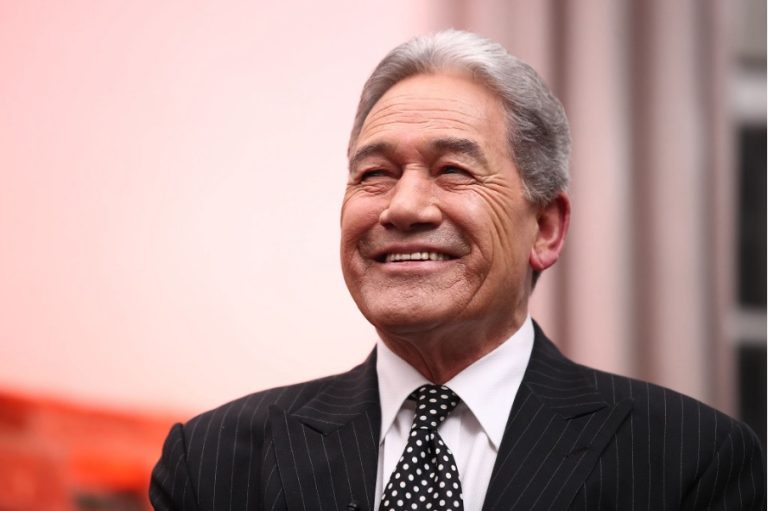
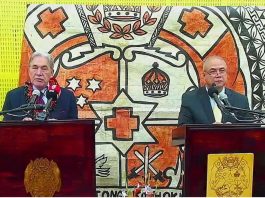
NZ Deputy Prime Minister Rt Hon Winston Peters and Tonga’s Prime Minister Hon Dr ‘Aisake Eke

When New Zealand Deputy Prime Minister Rt Hon Winston Peters and Tonga’s Prime Minister Hon Dr ‘Aisake Eke took the stage together for their joint press conference at the New Zealand High Commissioner’s Residence, expectations were high. This was a significant moment — an opportunity to highlight a maturing regional partnership, celebrate New Zealand’s visa reforms for Pacific Islanders, and project unity in the face of rising geopolitical interest in the region.

But what unfolded was a study in contrast: one leader in control, confident and charismatic; the other hesitant, disengaged, and unsure of his footing.

Body Language and Presence: Confidence vs. Caution

Rt Hon Winston Peters delivered his remarks with the fluency of a seasoned diplomat. Speaking without notes, he used humour, historical anecdotes, and policy clarity to engage both media and officials alike. His body language was relaxed, even jovial at times, but always measured — the hallmark of someone who has led countless press briefings and has deep understanding of Pacific sensitivities.

Dr Eke, on the other hand, relied heavily on a written speech. He read it word-for-word with minimal eye contact and appeared visibly nervous, especially when questions required him to go off script. While this may be understandable for a newly appointed leader, the gap between the two men was stark — not just in delivery, but in preparedness and presence.

Who Controlled the Narrative?

Despite being held in Tonga, the narrative was dominated by New Zealand. Peters was not only confident in delivering his government’s policy — particularly the new multi-entry two-year visa scheme for Pacific nationals — but also in fielding wide-ranging questions about Pacific security, trade tensions, immigration, and regional diplomacy. He deftly balanced frankness with diplomacy, even injecting light-hearted stories to make his points more accessible.

Eke’s silence on key issues was more than a missed opportunity — it created an uncomfortable vacuum. When Peters made the visa announcement, it was a moment for Tonga to express appreciation, share how this would benefit families, churches, and businesses, and tie it into a larger vision for people-to-people relations. Yet Eke offered no comment, no supportive statement, no reinforcement. It was as if he wasn’t prepared for the announcement.

Regional Role: The Chair That Didn’t Chair

As Chair of the Pacific Islands Forum (PIF), Tonga has a critical leadership role in the region. But when questioned about his engagement with other PIF leaders — particularly Cook Islands and Kiribati — Eke fumbled. He struggled to clearly articulate his actions and timelines as Forum Chair, and gave vague, repetitive answers.

When asked directly whether the upcoming Troika meeting would be the first he had chaired since taking office, his answer was defensive, circling back to generalities instead of a confident account of leadership. This left observers questioning how actively Tonga was playing its regional role and whether it was engaging behind the scenes at a time when Pacific unity is under serious external pressure.

A Telling Exchange: The Missing Follow-Through

Perhaps the most illustrative moment came when Peters was asked about how New Zealand distinguishes its Pacific engagement from other foreign players. He responded thoughtfully — discussing shared values, democracy, and the importance of not leaving vacuums in the region.

Instead of picking up on this theme and elaborating on Tonga’s regional approach, Prime Minister Eke remained silent. This was a missed opportunity to affirm Tonga’s values, signal its leadership as PIF Chair, and show solidarity with New Zealand’s view of a Pacific-first strategy.

Diplomatic Imbalance: Who Looked Like the Regional Leader?

One walked away from the press conference with the distinct impression that Peters, though a visitor, was the more natural regional statesman. He embodied leadership, spoke with conviction, and offered clarity on New Zealand’s positions. Eke, by comparison, seemed uncomfortable in the role of statesman. Even when asked about the Pacific Resilience Facility — a major regional development — his comments lacked conviction and clarity, despite being a historic achievement under Tonga’s Forum Chairmanship.

This imbalance of tone and authority, in such a public setting, risks undermining Tonga’s credibility at a critical time for the region.

Tone, Trust, and the Stakes Ahead

Press conferences are not just about reading statements — they are moments to communicate leadership, build public confidence, and demonstrate readiness to lead. Eke’s subdued performance may reflect the challenges of stepping into a high-pressure regional role with limited preparation. However, it also raised real questions about Tonga’s ability to assert its interests on the international stage.

In contrast, Peters’ performance was a reminder of what effective diplomacy looks like: firm, focused, and fluent. His delivery underscored New Zealand’s serious intent in the region and its willingness to support Pacific aspirations — while also being honest about limitations, such as the costs of administering visa-free travel.

Final Thought

Leadership is about more than titles — it’s about stepping up when the spotlight is on. Tonga had a chance to project strength, clarity, and gratitude in a moment that was as much theirs as New Zealand’s. Instead, it allowed the visitor to take centre stage unchallenged.

The lesson is clear: in diplomacy, silence speaks volumes. Tonga must learn to own its voice — or risk being spoken for.

By Melino Maka | Tonga Independent News | 11 April 2025
Opinion: Steering Through the Storm — A Critical Look at Market Volatility and Today’s Fiscal Challenges

0

In the wake of global economic instability, fiscal policy has become the compass by which nations hope to navigate the uncharted waters of market volatility. Yet in many countries, including our own here in the Pacific, one cannot help but question whether that compass is broken — or worse, if no one is actually steering the ship.

Today’s economic turbulence, marked by erratic stock markets, currency fluctuations, inflation spikes, and rising debt levels, is not merely a result of natural economic cycles. It is deeply intertwined with political indecision, inconsistent fiscal discipline, and global uncertainty, particularly from leading economies whose policies ripple across even the most remote corners of the world.

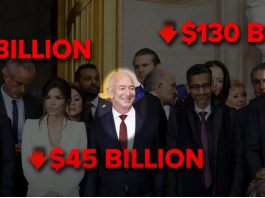
Take the United States, for example. Its recent flirtation with an $11 trillion trade war under the Trump administration, coupled with protectionist policies, has led to serious consequences. Not only has the stock market been battered, but the cost of living for ordinary citizens across the globe — especially in import-reliant island economies — has surged. The Federal Reserve’s aggressive rate hikes, designed to curb inflation, have strengthened the US dollar, making it more expensive for developing nations to repay their debts. Meanwhile, America’s political gridlock and ballooning budget deficits project uncertainty that unsettles international markets.

In this context, market volatility is more than a statistic. It affects everything from our ability to import medicine and fuel to the prices families pay for rice and flour. For the Kingdom of Tonga and other Pacific nations, which rely heavily on imported goods, tourism, remittances, and donor funding, market instability is not a distant threat. It is an economic tsunami that tests the resilience of our economies and the integrity of our leaders’ policies.

Where Are Our Fiscal Anchors?

Most of our Pacific economies operate on fragile fiscal foundations, where one natural disaster or price shock can tip the balance. COVID-19 exposed many of these vulnerabilities, and yet, several governments returned to business-as-usual spending models without reimagining more resilient, diversified fiscal strategies.

The problem is not just about how much we spend, but what we spend it on. Too often, public budgets are used as political tools rather than development frameworks. Funds are funneled into short-term, vote-winning projects rather than long-term investments in renewable energy, digital infrastructure, or sustainable agriculture. These are the very investments that could shield our economies from external shocks.

Moreover, transparency and accountability remain sorely lacking. A public largely in the dark about debt levels, budget priorities, and the real cost of government borrowing is a public ill-equipped to demand better. Fiscal literacy is not just a tool for technocrats — it is a shield for citizens.

Leadership and Planning in a Time of Uncertainty

We must not confuse passivity with prudence. In times of global market volatility, waiting for stability to return is not a strategy. It is a surrender. Strong leadership demands proactive planning — policies that anticipate change, not just react to it.

For example, Tonga and its Pacific neighbors should be exploring options like sovereign wealth funds, local currency bond markets, or regional pooled investment platforms that could provide buffers against fiscal shocks. We should also diversify trade partners and reduce dependence on a narrow set of export or donor markets.

Crucially, we must support the private sector with access to finance, regulatory reform, and digitization. Governments cannot carry the burden of economic growth alone, and the more we empower local enterprise, the better prepared we will be to withstand external headwinds.

International Responsibility Matters

While Pacific countries must take responsibility for their own fiscal governance, we must also call out the disproportionate role that superpowers play in causing global economic instability. Unilateral decisions like tariffs, sanctions, and monetary tightening by large economies have devastating effects on small, trade-exposed nations.

Global institutions such as the IMF, World Bank, and regional development banks need to be more than lenders. They should be partners in building fiscal resilience — helping countries improve debt management, diversify economies, and protect critical sectors during downturns.

Similarly, the donor community must shift from a project-based, short-term approach to a systems-building strategy. Aid that funds capacity development in public finance management, taxation systems, and data infrastructure is more impactful than one-off construction projects that leave little behind once the ribbon is cut.

A Call for Boldness, Not Fear

The economic storm we are sailing through will not pass quickly. The markets will continue to fluctuate, interest rates may rise further, and the geopolitical tensions that fuel uncertainty are unlikely to ease in the near term. But we do have agency.

It is time for our leaders — in Tonga, in the region, and beyond — to govern with foresight, not fear. Fiscal policy must become a tool for resilience and justice, not just balance sheets and deficit numbers. It must be designed with the people in mind — the farmers, the fishermen, the teachers, and the small shopkeepers whose lives are disrupted every time the world economy catches a cold.

As we confront the challenges ahead, let us remember that market volatility is not destiny. It is a test — of leadership, of planning, and of courage. And it is one we cannot afford to fail.

By Melino Maka

Fakakaukau: Ko e Faka’uli ‘i he Matangi Malohi — Ko ha Vakai Fakaanga ki he Feliliuaki ‘o e Maketi mo e Ngaahi Faingata’a Faka’ekonomika ‘o e ‘aho ni

0

‘I he ‘ao ‘o e ta’e-ma’uma’uluta faka’ekonomika fakaemāmani lahi, kuo hoko ‘a e ngaahi tu’utu’uni faka’ekonomika ko e kāpasa ‘oku ‘amanaki ke tataki’aki ‘e he ngaahi fonua ‘a e tahi ta’e-‘iloa ‘o e feliliuaki ‘o e maketi. Ka ‘i he ngaahi fonua lahi, kau ai hotau fonua ‘i he Pasifiki, ‘oku ‘ikai lava ke tokoni ka ke fehu’i pe ‘oku maumau ‘a e kāpasa ko ia — pe kovi ange, ‘oku ‘ikai ha taha ia ‘oku faka’uli ‘a e vaka.

Ko e ngaahi mofuike faka’ekonomika ‘o e ‘aho ni, ‘oku faka’ilonga’i ‘e he ngaahi māketi tu’ungakehe, feliliuaki ‘a e pa’anga, ‘alu hake ‘a e totongi koloa, mo e tupu ‘a e levolo ‘o e ngaahi mo’ua, ‘oku ‘ikai ko ha ola pe ia ‘o e ngaahi siakale faka’ekonomika fakanatula. ‘Oku fekau’aki loloto ia mo e ta’e-papau faka-politikale, ta’e-tu’uma’u ‘a e mapule’i faka’ekonomika, mo e ta’e-pau fakaemāmani lahi, ‘oku fakatefito tautautefito mei he ngaahi ‘ekonomika takimu’a ‘a ia ko ‘enau ngaahi tu’utu’uni ‘oku fepulingaki he ngaahi tuliki mama’o taha ‘o e māmani.

Sio ki he ‘Iunaiteti Siteiti, ko ha sipinga. Ko ‘ene fetaulaki ni mo e tau fefakatau’aki ‘o e $11 tilioni ‘i he malumalu ‘o e pule’anga Trump, fakataha mo e ngaahi tu’utu’uni malu’i ‘ekonōmika, kuo fakatupu ai ha ngaahi nunu’a mamafa. ‘Oku ‘ikai ngata pe ‘i he uesia ‘o e maketi fakasitoka, ka kuo ma’olunga ‘a e totongi mo’ui ma’a e kakai angamaheni he funga ‘o e māmani — tautautefito ki he ngaahi ‘ekonomika fakamotufehi ‘oku fakafalala ki he koloa hu mai — kuo laka hake. Ko e tu’utu’uni ‘a e Pangikē Pule Feteuli ke hiki fakamālohi ‘a e totongi tupu, na’e fa’u ke ta’ofi ‘a e hiki ‘a e totongi koloa, kuo fakamālohi’i ai ‘a e tola ‘Amelika, ‘o ngaohi ia ke toe totongi mamafa ange ma’a e ngaahi fonua langa fakalakalaka ke totongi fakafoki ‘enau ngaahi mo’ua. ‘I he taimi tatau, ko e fakafepa’aki faka-pōlitikale ‘a ‘Amelika mo e fakautuutu ‘o e ngaahi nounou fakapatiseti ‘oku ne fakahaa’i ‘a e ta’e-pau ‘oku ne fakahoha’asi ‘a e ngaahi maketi fakavaha’apule’anga.

‘I he tu’unga ko ‘eni, ko e feliliuaki ‘o e maketi ‘oku toe lahi ange ia ‘i ha sitetisitika pe. ‘Oku ne uesia ‘a e me’a kotoa mei he’etau malava ke hu mai ‘a e faito’o mo e lolo ke a’u ki he totongi ‘oku totongi ‘e he ngaahi famili ki he laise mo e ma. Ki he Pule’anga ‘o Tonga mo e ngaahi fonua kehe ‘o e Pasifiki, ‘a ia ‘oku fakafalala lahi ki he koloa hu mai, takimamata, pa’anga hu mai mei muli, mo e tokoni mei he kau foaki, ko e ta’e-ma’uma’uluta ‘o e maketi ‘oku ‘ikai ko ha fakatamaki mama’o. Ko ha sunami faka’ekonōmika ‘a ia ‘oku ne ‘ahi’ahi’i ‘a e matu’uaki ‘o ‘etau ngaahi ‘ekonomika mo e faitotonu ‘o e ngaahi tu’utu’uni ‘a hotau kau taki.

Ko Fē ‘a ‘Etau Ngaahi Taula Faka’ekonomika?

Ko e lahi taha ‘o e ngaahi ‘ekonomika ‘o e Pasifiki ‘oku ngaue ai ‘i he ngaahi makatu’unga vaivai faka’ekonomika, ‘a ia ko ha fakatamaki fakaenatula pe ko ha fakasoko ‘o e totongi ‘e lava ‘o lī’oa ‘a e palanisi. Na’e fakahaa’i mai ‘e he COVID-19 ‘a e ngaahi vaivaia’anga lahi ‘o e ngaahi founga ni, pea ‘i ai pe, kuo kamata foki ‘a e ngaahi pule’anga ki he ngaahi founga fakamole ‘a ia ko e pisinisi-anga-maheni ‘o ‘ikai fakakaukau fo’ou ki ha ngaahi founga faka’ekonōmika ‘oku toe matu’uaki ange, mo kehekehe.

Ko e palopalema ‘oku ‘ikai fekau’aki pe ia mo e lahi ‘o ‘etau fakamole, ka ko e me’a ‘oku tau fakamole ki ai. Ko e tu’o lahi, ‘oku faka’aonga’i ‘a e ngaahi patiseti ki he kakai ko ha ngaahi me’angaue faka-politikale kae ‘ikai ko ha ngaahi fa’unga fakalakalaka. ‘Oku fakahoko ‘a e ngaahi pa’anga ki he ngaahi polōseki taimi nounou, ma’u-vōuti kae ‘ikai ko e ngaahi ‘inivesimeni taimi-loloa ‘i he ngaahi ma’u’anga ivi fakafo’ou, ngaahi me’angaue faka-digital, pe ngoue ma’u’anga mo’ui. Ko e ngaahi ‘inivesimeni ‘eni ‘e lava ke malu’i ‘etau ngaahi ‘ekonomika mei he ngaahi fakasoko mei tu’a.

Ko hono fakalahi, ‘oku kei si’i ‘aupito ‘a e ‘atā ki tu’a mo e ‘eke’i ala. Ko ha kakai ‘oku ‘ikai ke ma’u ha ‘ilo kau ki he ngaahi levolo ‘o e mo’ua, ngaahi me’a mahu’inga ‘i he patiseti, mo e totongi totonu ‘o e ngaahi nō ‘a e pule’anga ko ha kakai ‘oku fe’unga ke fie ma’u ha me’a ‘oku lelei ange. Ko e ‘ilo faka’ekonomika ‘oku ‘ikai ko ha me’angaue ia ma’a e kau mataotao — ko ha pā ia ma’a e kakai.

Taki mo e Palani ‘i ha Taimi ‘o e Ta’e-pau

Kuo pau ke ‘oua ‘e puputu’u ‘a e fakalongolongo mo e fakapotopoto. ‘I he taimi ‘o e feliliuaki fakaemāmani lahi ‘o e maketi, ko e tatali ke foki mai ‘a e tu’unga ma’uma’uluta ‘oku ‘ikai ko ha founga. Ko ha tukulolo ia. Ko e taki mālohi ‘oku ne ue’i ‘a e palani ‘oku longomo’ui — ngaahi tu’utu’uni ‘oku ne fakafuofua ‘a e liliu, ‘ikai ‘i hono tali pe.

Hangē ko ‘eni, ‘oku totonu ke ‘ekiplooa ‘e Tonga mo hono ngaahi kaungā’api ‘i he Pasifiki ‘a e ngaahi fili hangē ko e ngaahi pa’anga koloa ‘o e pule’i fakapule’anga, ngaahi maketi ha’i pa’anga fakalotofonua, pe ngaahi palani ‘inivesimeni fakafeitu’u kulupu ‘e lava ke ‘omai ‘a e ngaahi malu’i mei he ngaahi fakasoko faka’ekonomika. ‘Oku totonu foki ke kehekehe ‘a e ngaahi hoa fefakatau’aki mo fakasi’isi’i ‘a e fakafalala ki ha seti fāsi’i ‘o e ngaahi maketi hu atu pe maketi tokoni.

Ko e me’a mahu’inga, kuo pau ke poupou’i ‘a e sekitoa taautaha mo e a’u ki he pa’anga, fakafo’ou fakalaó, mo e fakadigitolo. ‘E ‘ikai lava ke fuesia ‘e he ngaahi pule’anga ‘a e kavenga ‘o e tupu faka’ekonōmika ‘o toko taha pe, pea ko e lahi ange ‘a ‘etau fakaivia ‘a e pisinisi fakalotofonua, ko e lelei ange ‘a ‘etau mateuteu ke fakafepaki’i ‘a e ngaahi matangi faingata’a mei tu’a.

‘Oku Mahu’inga ‘a e Fatongia Fakavaha’apule’anga

Neongo ‘oku totonu ke ‘ave ‘e he ngaahi fonua ‘o e Pasifiki ‘a e fatongia ki he’enau pule fakasitoa ‘ekonomika, kuo pau foki ke tau lea’aki ‘a e fatongia ta’efakatatau ‘oku va’inga’i ‘e he ngaahi mālohi lahi ‘i hono fakatupu ‘a e ta’e-ma’uma’uluta faka’ekonōmika fakaemāmani lahi. Ko e ngaahi tu’utu’uni tafa taha hangē ko e ngaahi tukuhau, tautea, mo e fakafaingata’a’ia’i fakapa’anga ‘e he ngaahi ‘ekonōmika lalahi ‘oku ‘i ai ‘enau ngaahi nunu’a fakatupu maumau ki he ngaahi fonua iiki, ‘oku ‘asi atu ki he fefakatau’aki.

Ko e ngaahi kautaha fakamāmani lahi hangē ko e IMF, Pangikē ‘a Māmani, mo e ngaahi pangikē fakalakalaka fakafeitu’u ‘oku fiema’u ke toe lahi hake ia ‘i he kau noo mai. ‘Oku totonu ke nau hoko ko e ngaahi hoa ‘i hono langa ‘a e matu’uaki faka’ekonomika — tokoni’i ‘a e ngaahi fonua ke fakalakalaka ‘a e pule’i ‘o e mo’ua, kehekehe ‘a e ngaahi ‘ekonomika, mo malu’i ‘a e ngaahi sekitoa mahu’inga lolotonga ‘a e taimi ‘o e tupu ‘o e faingata’a faka’ekonomika.

Tatau pe, kuo pau ke liliu ‘a e ngaahi komiunitī tokoni mei ha founga makatu’unga ‘i he poloseki, taimi nounou ki ha founga fakalakalaka ‘o e sisitemi. Ko e tokoni ‘oku fakapa’anga ‘a e fakalakalaka ‘o e ngaahi lava ‘i he pule’i faka’ekonomika fakapule’i, ngaahi sisitemi tukuhau, mo e ngaahi fakama’unga ‘o e ngaahi fakamatala ‘oku ola lahi ange ia ‘i he ngaahi poloseki langa tu’o-taha ‘oku ‘ikai toe tuku ha me’a ‘i he hili ‘a hono tautu’u ‘a e liponi.

Ko ha Ui ki he Lototo’a, ‘Ikai Ko e Manavahē

Ko e matangi faka’ekonomika ‘oku tau folau ai ‘e ‘ikai mole vave ia. ‘E kei hokohoko atu ‘a e fetō’aki ‘a e ngaahi maketi, mafai ke to e hiki ‘a e ngaahi totongi tupu, pea ko e ngaahi fakafepaki’i fakasio-politikale ‘oku ne fafanga’i ‘a e ta’e-pau ‘oku ‘ikai ngalingali ke fakangalofo ‘i he vaha’ataimi vave. Ka ‘oku ‘iate kitautolu ‘a e mafai ke ngaue.

Kuo hokosia e taimi ma’a hotau kau taki — ‘i Tonga, ‘i he feitu’u, mo e kehe atu — ke tataki mo e to’a ki he kaha’u, ‘ikai ko e manavahē. Kuo pau ke hoko ‘a e tu’utu’uni faka’ekonomika ko ha me’angaue ki he matu’uaki mo e fakamaau totonu, ‘ikai ko e ngaahi pepa palanisi pe ko e fika faka-nounou. Kuo pau ke fa’u ia mo e kakai ‘i he ‘atamai — ‘a e kau ngoue, kau toutai, kau faiako, mo e falekoloa iiki ‘a ia ‘oku uesia ‘enau mo’ui he taimi kotoa ‘oku puke ai ‘a e ‘ekonomika ‘o māmani.

‘I he’etau fehangahangai mo e ngaahi faingata’a ‘i he kaha’u, tau manatu’i mu’a ko e feliliuaki ‘o e maketi ‘oku ‘ikai ko e ikuna’anga ia. Ko ha sivi — ‘o e taki, ‘o e palani, mo e loto-to’a. Pea ko ha me’a ia ‘oku ‘ikai lava ke tau ‘atā ke mole ai.

Fai ‘e Melino Maka

Lēlue ‘Ikai Toe Mapule’i: Ko e Founga ‘a Trump ke Ne Ngāue’aki ‘a e Lakanga Palesiteni ke Fakamanavahē’i ‘a e Kau Ngāue Fakalao ‘o ‘Amelika

0

‘I he langilangi fakalao ‘o ‘Amelika, ko e tau’atāina kuo hoko ma’u pē ko e makatuliki. Kuo fakafofonga’i ‘e he kau loea ‘a e kakai ‘oku ‘ikai manakoa taha, ‘a e kakai ‘oku tu’u laveangofua taha, pea pehē ki he kakai ‘oku mālohi taha ‘i he sōsaieti – ‘o ‘ikai ko e tupu mei honau tukunga, ka ko e tupu mei he tefito’i mo’oni ‘oku totonu ke fakafofonga’i ‘a e tokotaha kotoa pē ‘i he pule’i ‘o e lao. Ka ko e hā ‘e hoko ‘o kapau ‘e hoko ‘a e lakanga palesiteni ko ha me’angāue ke fakamalohi’i ‘a e ngaahi kautaha loea? ‘O kapau ‘e fetongi ‘a e fakamanavahē’i ‘a e fakamaau totonu pea fetongi ‘a e manavahē ‘a e tefito’i mo’oni? Ko e me’a ‘oku tau fakatokanga’i ‘i he toe hakeaki’i hono ua ‘o Donald Trump ‘oku ‘ikai ko ha me’a fakapolitikale pē – ko ha ‘ohofi fakatuʻutuʻuni ki he faitotonu fakalao.

‘Oku ‘ikai ko Donald Trump ha tangata ‘oku fekumi ki he mālohi pē. Ko ha lēlue ‘ikai toe mapule’i ia – longoa’a, fe’aluaki, pea ‘oku lele fakavave hifo ‘i he halanga lēlue ‘o e temokalati ‘Amelika, ‘o laiki ‘a e ngaahi malu’i fakakautaha ‘i hono hala. ‘I he’ene fekumi ta’etuku ki he pule mo e tautea, kuo ne ma’u ha taumu’a fo’ou: ko e ngāue fakalao.

Ko ha Lakanga Palesiteni Kuo Langa ‘i he Manavahē

Ko e me’a na’e kamata ko ha lea kakaha ‘i he me’a fakafili kuo liliu ia ko ha feinga ke fakamanavahē’i. Ko e founga ‘a Trump ‘oku faingofua ka ‘oku ‘aonga: ngāue’aki ‘a e mamafa ‘o e lakanga palesiteni ke tautea’i ‘a e ngaahi kautaha loea ‘oku nau poupou’i ‘a kinautolu ‘oku fakatotolo’i pe fakafepaki’i ia. Na’e ‘uluaki kamata ‘a e ngaahi tu’utu’uni pule ke to’o ‘a e ngaahi aleapau ‘a e pule’anga mei he Covington & Burling ko e ‘uhinga ko ‘enau fakafofonga’i ‘a e Special Counsel Jack Smith. Pea na’e hoko atu ki he Perkins Coie, ‘a ia na’e fakafofonga’i ‘a e kau kasitomā mo e ngaahi ‘uhinga na’e ‘ikai manako ai ‘a Trump – ‘o tupu ai ‘a hono faka’ita’i ‘o e kautaha, ka pehē foki ki he ngaahi kautaha mavahe na’a nau aleapau mo ia. Na’e mahino ‘aupito ‘a e pōpoaki: fakafofonga’i hoku ngaahi fili, pea te ke tautea’i.

Na’e ‘ikai ko ha pule’i eni – ko ha tauhi fakapōpula.

Na’e tali fakafepaki ‘a e Perkins Coie ‘i he fakamaau’anga pea na’a nau ikuna ha tu’utu’uni ta’ofi fakataimi. Ka na’e vave ‘a e mate ‘a e kalama ‘o e matatali ‘i he ngāue fakalao kotoa. Ko e Paul Weiss, ko e taha ‘o e ngaahi kautaha mahu’inga taha ‘i he fonua, na’a nau fili ke fakavaivai’i kae ‘ikai ke fehangahangai. Kae ‘ikai ke fakafepaki’i ‘a e pule ta’ekonisitūtone ‘a Trump, na’a nau ‘oatu ha $40 miliona ‘i he ngaahi ngāue ta’etotongi pea tala’ofa ke toe fokotu’utu’u ‘a e ngaahi founga fakangāue ke fakafiemālie’i ‘a e pule’anga. Ko ha aleapau na’e nanamu ki he fakafiemālie.

Pea na’e hoko mai ‘a e Skadden Arps – ko ha fu’u mālohi ‘i he lao mo ha pa’anga lahi pea mo ha ngaahi fekau’aki loloto. Neongo na’e ‘ikai ha tu’utu’uni pule ke fakafepaki’i kinautolu, na’e loto fiemālie ‘a e Skadden ke tala’ofa ha $100 miliona ‘i ha ngāue ta’etotongi pea mo ha tukupā ki he ngaahi ‘uhinga ‘oku poupou ki ai ‘a Trump. Na’e ‘ikai ko ha fakahaofi ‘eni ‘o kinautolu; ko ha tukulolo.

Ko e Totongi ‘o e Fakalongo

Na’e feinga ‘a e kau ngāue ‘i he ngaahi kautaha ni ke tali fakafepaki. Na’a nau fakahū ha kole ki he kau taki ke nau fakataha, ke tu’u hake ‘o fakafepaki’i ‘a e fa’ahinga pule fakamālohi ‘oku fakatupu kona ‘i honau ngāue. Ka neongo ia, na’e tali ‘aki ‘enau kole ‘a e fakalongolongo, ta’efaka’apa’apa, pea faka’osinga, na’e lavaki’i ‘a kinautolu. Ko ha tokotaha ngāue – ‘a ia ko ‘ene fakamo’oni lototo’a kuo vahevahe lahi – na’e fakafisi mei he’ene ngāue ko e fakafepaki. Na’e ‘ikai ko ha hoa ngāue pe ko ha tokotaha ‘iloa, ka ko ha tokotaha ngāue ta’u tolu pē, ka na’a ne ‘ilo ‘a e tohi ‘i he holisi. Na’e muimui ‘a e ni’ihi kehe ‘i he’ene tā sipinga.

‘Oku ‘ikai ko ha mavahe fakafaka’ilonga pē ‘enau mavahe; ‘oku nau tala ‘a e kaha’u. Na’e mahino ki he kau loea kei talavou ko ‘eni ‘oku ‘ikai kamata ‘a e maumau’i ‘o e tu’unga angamaheni fakalao ‘i he fana pe ‘i he ngaahi tu’utu’uni fakamaau’anga, ka ‘i he fanafana ‘o e talangofua mo e le’o ‘o e fakalongolongo mei kinautolu ‘oku totonu ke nau ‘ilo lahi ange. ‘Oku tu’u ‘enau lototo’a ‘i he fakafehoanaki ki he tailiili ‘a e kau hoa ngāue ‘a e kautaha ‘a ia ‘oku malu’i ‘i he’enau ngaahi miliona, na’a nau mamata ai ki he fakatupu maumau ki he temokalati mei honau ngaahi ‘ōfisi tuliki.

‘Oku ‘ikai ha me’a fakapulipuli ko e ngāue fakalao ‘oku fakateka’i ‘e he tupu. Ka ‘o kapau ‘e ma’olunga ange ‘a e fekumi ki he ngaahi houa ‘e totongi’i ‘i he tukupā ki he faitotonu konisitūtone, ko e hā leva ‘oku toe? ‘Oku ngata pē ‘i he pisinisi ‘a e ngaahi kautaha loea – hangē ko e ngaahi kasino pe ngaahi kautaha ‘api – ‘a ia ‘e lava ke fakatau ‘a e ‘enau ngaahi tu’unga ‘ulungaanga?

‘Oku ‘Ikai ko ha Me’a Angamaheni Eni

‘Oku ‘ikai ko ha me’a angamaheni ki ha palesiteni ke tu’utu’uni pe ko hai ‘oku taau mo ha fakafofonga fakalao. ‘Oku ‘ikai ko ha me’a angamaheni ke fakatefito ‘a e ngaahi kautaha loea ‘aki ‘a e ngaahi tu’utu’uni pule ke to’o ‘a e kau kasitomā. ‘Oku ‘ikai ko ha me’a angamaheni ke fakamālohi’i ‘a e kau ngāue fakalao ki he fakalongolongo ‘i he malumalu ‘o e fakamanavahē’i ‘o ha totongi fakapa’anga. Ka kuo fai ‘e Trump ‘a e ngaahi me’a ni kotoa – mo toe lahi ange – ‘o ‘ikai ha ola kovi.

Ko e ngaahi aleapau fakapulipuli ko ‘eni ‘i he vaha’a ‘o e ngaahi kautaha ma’olunga mo e pule’anga ‘a Trump ‘oku lahi hake ‘i he ta’etokanga fakae’ulungaanga; ko ha holo ‘o e ‘ā malu fakalao na’e ‘i ai ke malu’i ‘a e temokalati ‘Amelika. ‘Oku nau holoki ‘a e falala ‘a e kakai pea ‘oatu ha pōpoaki fakailifia: ko kinautolu pē ‘oku manakoa ‘e he kau ma’u mafai ‘oku nau taau mo e poupou.

Na’a mo e kakai ‘iloa hangē ko Doug Emhoff, ko e mali ‘o e tokoni palesiteni ko Kamala Harris pea ko ha hoa ngāue ‘i he Wilkie Farr & Gallagher, kuo fehangahangai mo e tali fakafepaki ko e ‘uhinga ‘oku kei ‘i he ngaahi kautaha ‘oku nau fakahoko ‘a e ngaahi aleapau mo Trump. ‘I ha kai efiafi manakoa, na’e lipooti na’e fakahaa’i ‘e Emhoff ‘a e ta’efiemālie mo e aleapau – ka ke toki fakahā na’e ta’ofi ia ‘e he kau hoa ngāue kehe. Ko e ngaahi lea, ‘o ‘ikai ha ngāue, ‘oku ‘ikai ha ‘uhinga.

Ko e Taukapo pe ko e Fakafiemālie?

Ko ha taimi eni ‘o e fakamaau. ‘E ‘ikai lava ‘e he ngaahi kautaha loea ‘o pehē ‘oku nau poupou’i ‘a e fakamaau totonu ka ‘i he taimi tatau ‘oku nau tūʻulutui ki he fakamanavahē’i fakangāue pule. Kuo pau ke ‘eke ‘e he ngāue fakalao kiate ia: Ko e kau taukapo kitautolu pe ko e kau fakahoko ā?

Ke mahino, ko e tu’u hake ‘o fakafepaki kia Trump ‘oku tu’u fakatuʻutāmaki. Ka ‘o kapau ko e kau hoa ngāue ‘i he ngaahi kautaha pa’anga-piliona lahi – ko e ni’ihi ‘oku nau ma’u ha $20 miliona ‘i he ta’u – ‘oku fu’u manavahē ke tali fakafepaki, ‘e anga fēfē ‘etau ‘amanaki ke ‘i ai ha kau loea tokoni fakapule’i pe ko e kau taukapo ki he totonu ‘a e kau hiki fonua ke tu’u ‘i he laine?

Ko e lototo’a, hangē ko ia na’e lea’aki ‘e ha tokotaha ngāue, ko ha fili. Pea ko ha fili ‘oku fiema’u ke fai he taimini – ki mu’a pea tuku ‘e he lēlue ‘o e pule fakamālohi ha veve pē ‘i hono halanga.

‘Oku ‘ikai mafesi ‘a e fa’unga fakalao ‘Amelika ‘i he taimi fakatu’upakē pē. ‘Oku holo tu’unga ‘i he tukulolo, ‘i he fakatonuhia’i, pea ‘i he manavahē. Kapau te tau fakangofua ha palesiteni – tautautefito ki ha tokotaha ‘oku ne mo’ui ‘i he tautea mo e moveuveu – ke ne tu’utu’uni pe ko hai ‘oku taau mo ha loea, pea kuo ‘osi mole ‘a e laumālie ‘o e ngāue fakalao.

‘Oku kei ‘i ai ‘a e taimi ke ta’ofi’i ‘aki. Ka ko e fehu’i ko e: ko hai ‘iate kitautolu ‘oku lototo’a fe’unga ke tāmate’i ‘a e mīsini?

Fai ‘e Melino Maka

Runaway Train: How Trump Weaponized the Presidency to Intimidate America’s Legal Profession

0

In the American legal landscape, independence has always been a cornerstone. Lawyers have represented society’s most unpopular, most vulnerable, and most powerful alike—not because of who they are, but because of the principle that every person deserves representation under the rule of law. But what happens when the presidency becomes a tool to bully law firms into submission? When intimidation replaces justice and fear supersedes principle? What we are witnessing under Donald Trump’s second rise isn’t just political—it’s a systemic assault on legal integrity.

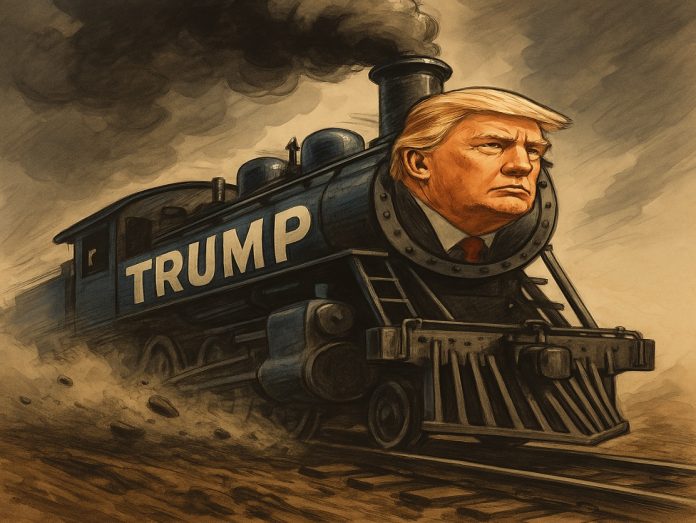
Donald Trump isn’t just a man seeking power. He’s a runaway train—loud, erratic, and barrelling down the tracks of American democracy, crushing institutional safeguards in his path. In his relentless pursuit of control and vengeance, he’s found a new target: the legal profession.

A Presidency Built on Fear

What began as fiery campaign rhetoric has turned into a campaign of intimidation. Trump’s tactic is simple but effective: use the weight of the presidency to punish law firms that dare to represent those investigating or challenging him. First came the executive orders stripping Covington & Burling of federal contracts for representing Special Counsel Jack Smith. Then it was Perkins Coie, which had represented clients and causes Trump disliked—resulting in not only the firm being targeted, but even third-party contractors who had retained it. The message was unmistakable: represent my enemies, and you’ll be punished.

This wasn’t governance—it was blackmail.

Perkins Coie fought back in court and won a temporary restraining order. But that defiant spark quickly dimmed across the legal industry. Paul Weiss, one of the most prestigious firms in the country, opted to capitulate rather than confront. Rather than challenge Trump’s unconstitutional overreach, they offered $40 million in pro bono services and promised to realign hiring practices to the administration’s satisfaction. It was a deal that reeked of appeasement.

Then came Skadden Arps—a legal powerhouse with deep pockets and deeper ties. Even without an executive order against them, Skadden voluntarily promised $100 million in pro bono work and a commitment to Trump-approved causes. This wasn’t self-preservation; it was surrender.

The Price of Silence

Associates at these firms tried to push back. They lobbied leadership to unite, to take a stand against the creeping authoritarianism poisoning their profession. Instead, they were met with silence, deflection, and, ultimately, betrayal. One associate—whose courageous testimony has since gone viral—resigned in protest. She wasn’t a partner or public figure, just a third-year associate, but she saw the writing on the wall. Others followed her lead.

Their departures aren’t just symbolic; they’re prophetic. These young lawyers understood that the erosion of legal norms starts not with gunfire or courtroom rulings, but with whispers of compliance and the sound of silence from those who should know better. Their courage stands in stark contrast to the cowardice of firm partners who, cushioned by their millions, watched democracy get bulldozed from their corner offices.

It’s no secret that the legal industry is driven by profits. But when the pursuit of billable hours overtakes the commitment to constitutional integrity, what’s left? Are law firms just another business—like casinos or real estate companies—whose ethics can be bought and sold?

This Is Not Normal

It is not normal for a president to dictate who deserves legal representation. It is not normal to target law firms with executive orders for taking clients. It is not normal to coerce legal professionals into silence under threat of financial retaliation. Yet, Trump has done all of this—and more—with little consequence.

These backroom deals between elite firms and Trump’s administration are more than moral failures; they are a collapse of the legal firewall meant to protect American democracy. They undermine public trust and send a chilling message: only those favoured by power deserve advocacy.

Even high-profile figures like Doug Emhoff, the husband of Vice President Kamala Harris and a partner at Wilkie Farr & Gallagher, have faced backlash for remaining at firms that cut deals with Trump. At a charity dinner, Emhoff reportedly expressed discomfort with the arrangement—only to admit he’d been overruled by other partners. Words, without action, are meaningless.

Advocacy or Appeasement?

This is a moment of reckoning. Law firms cannot claim to support justice while simultaneously kneeling to executive intimidation. The legal profession must ask itself: Are we advocates or accessories?

To be clear, standing up to Trump is risky. But if partners at multi-billion-dollar firms—some of whom make $20 million a year—are too afraid to push back, how can we expect public interest lawyers or immigrant rights advocates to hold the line?

Courage, as one associate put it, is a choice. And it’s a choice that must be made now—before the runaway train of authoritarianism leaves nothing but debris in its wake.

The American legal system doesn’t crumble all at once. It erodes through concessions, through rationalizations, and through fear. If we allow any president—especially one who thrives on vengeance and chaos—to dictate who deserves a lawyer, then the legal profession has already lost its soul.

There’s still time to apply the brakes. But the question is: who among us is brave enough to pull the lever?

By Melino Maka

Lessons from the Caribbean: What the Pacific Islands Forum Must Learn and Act On

0

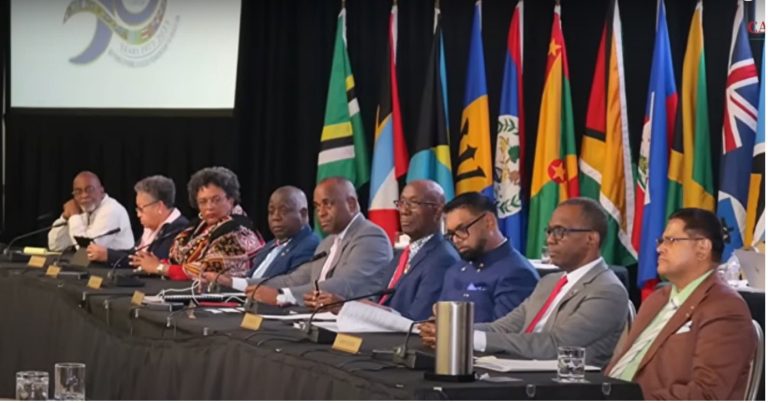
There are moments in history when the moral clarity of leadership in one region sends a ripple of urgency across oceans. That moment is now, and it comes not from the usual suspects in global power politics, but from the Caribbean. In a rousing and fearless address, a Caribbean leader laid bare the existential threats facing small island developing states (SIDS)—threats which echo loudly across the Pacific. Her speech was not just a wake-up call for her region, but a blueprint for resilience and solidarity that the Pacific Islands Forum (PIF) must urgently study, internalize, and act upon.

Caribbean Courage: Speaking the Truth Without Fear

The Caribbean leader did not mince words. From climate change to global trade wars, from misinformation to economic dependency, she painted a bleak but honest picture of the world we now inhabit. It was not a speech written for applause or international diplomacy—it was a plea for self-reliance, unity, and immediate action. She acknowledged that while Caribbean states may be small, the threats they face are large, systemic, and worsening.

Contrast this with the often cautious, diluted, and bureaucratically worded communiqués that emerge from Pacific leaders’ summits. The Pacific Islands Forum, despite decades of meetings, declarations, and strategies, has not consistently matched the gravity of the crises with the urgency they demand. The Caribbean is showing us how to lead with moral clarity—and the Pacific must follow.


Why the Pacific Should Listen Closely

  1. Shared Vulnerabilities, Shared Lessons

Like the Caribbean, the Pacific is one of the most import-dependent regions in the world. We rely heavily on global supply chains, particularly those routed through the United States, Australia, and Asia. We are equally exposed to food insecurity, climate shocks, rising prices, and the erosion of global order. What the Caribbean faces today, the Pacific may face tomorrow—or is already facing.

  1. Strategic Regionalism Is Not a Buzzword—It’s a Lifeline

The Caribbean leader’s rallying cry was simple: Buy local. Support regional trade. Collaborate on tourism. These are not just economic strategies—they are survival tactics. In the Pacific, we often talk about regionalism, but how often do we act on it? Our economies remain fragmented, our transportation systems underdeveloped, and our leaders too often caught in donor-led agendas instead of home-grown solutions.

We need a Pacific equivalent to CARICOM’s 25 by 2025 food initiative. We need a regional food security plan, a regional tourism resilience strategy, and a commitment to inter-island trade using Pacific-owned shipping lines. It’s time to make regionalism real.


Time for the PIF to Speak with One Voice—and With Conviction

If there was ever a time for the Pacific Islands Forum to become a political force instead of just a diplomatic mechanism, it is now. The leader from the Caribbean spoke with dignity, but also with demands. She did not ask global powers for charity—she asked for respect, for dialogue, and for historical recognition of ties that bind.

The Pacific must do the same. The Forum must:

  • Re-engage with the U.S., China, and Europe at the highest level and demand clarity on trade and development policies that will affect us.
  • Demand climate finance not as aid, but as compensation for loss and damage caused by emissions we did not create.
  • Invest in intra-Pacific trade and connectivity, including small-scale shipping, shared warehousing, and digital trade.
  • Develop emergency regional procurement hubs for food, medicine, and fuel to cushion shocks from global supply chain disruptions.

No More Waiting for Help—It’s Time to Help Ourselves

The Caribbean’s message is clear: do not wait for the global North to save you. The Pacific must learn to survive and thrive without depending on global goodwill. That means:

  • Supporting our farmers, fishers, and SMEs.
  • Rebuilding trust in local and regional markets.
  • Investing in mental health, youth empowerment, and community cohesion.
  • Standing together—not just in song and speeches, but in strategy and shared sacrifices.

Conclusion: A Common Ocean, A Common Destiny

There is a Caribbean spirit that says: “We take care of each other. We uplift each other.” That spirit resonates deeply with the Pacific way—but we must give it substance, not just sentiment.

If the PIF wants to remain relevant in the years ahead, it must move beyond summits and communiqués. It must become a platform of courage, coordination, and transformation. The Caribbean is lighting a fire under its leaders. The Pacific must now do the same—or risk being swept aside by the tides of global indifference.

Let us not just admire the Caribbean’s voice—let us echo it.

By Melino Maka
Tonga Independent News

Ngaahi Lēsoni mei he Kalepea: Ko e me’a kuo pau ke ako mo ngāue’i ‘e he Fōlami ‘a e ‘Otu Motu Pasifiki

0

‘Oku ‘i ai ‘a e ngaahi taimi ‘i he hisitōlia ‘oku ‘omi ai ‘e he mahino ‘o e taki ‘i ha feitu’u ‘a e peaukeau ‘o e tu’utāmaki ‘o e fiema’u vivili ‘o fakafou ‘i he ngaahi ‘ōseni. Ko e taimi ko ia ko ‘eni, pea ‘oku ‘ikai ke ha’u ia mei he ngaahi feitu’u angamaheni ‘i he politikale ‘o e mālohi fakamamani lahi, ka ‘oku ha’u mei he Kalepea. ‘I ha lea fakalotolahi mo ta’e-manavasiʻi, ne fakamatala’i ai ‘e ha taki mei he Kalepea ‘a e ngaahi fakatamaki lalahi ‘oku fehangahangai mo e fanga ki’i ‘otu motu iiki ‘oku fakalakalaka (SIDS) – ko e ngaahi fakatamaki ‘oku ongo’i ma’olunga atu ‘i he Pasifiki. Ko ‘ene lea na’e ‘ikai ko ha ui ke ‘ā hake pē ‘a hono feitu’u, ka ko ha fakahinohino ki he tu’unga matu’uekina mo e fetokoni’aki ‘oku fiema’u vivili ke ako, ngāue’aki, pea ngāue’i ‘e he Fōlami ‘a e ‘Otu Motu Pasifiki (PIF).

Loto-to’a ‘o e Kalepea: Lea’aki ‘a e Mo’oni ‘o ‘ikai ha Ilifia

Na’e ‘ikai fakafufū ‘e he taki mei he Kalepea ‘a ‘ene ngaahi lea. Mei he feliuliuaki ‘o e ‘ea ki he ngaahi tau fefakatau’aki fakamamani lahi, mei he ngaahi fakamatala hala ki he fakafalala faka’ekonōmika, na’a ne tā ha fakatātā fakapo’uli ka ‘oku mo’oni ‘o fekau’aki mo e māmani ‘oku tau nofo ai he taimí ni. Na’e ‘ikai ko ha lea kuo tohi ke fakafiefiaʻi pe fakamālō’ia’i fakadipolōmātika – ka ko ha kole ki he fakafalala pē kiate kita, uouangataha, mo e ngāue vave ke fai leva. Na’a ne fakahā ko e ngaahi fonua Kalepea ‘oku nau iiki, ka ko e ngaahi fakatamaki ‘oku nau fehangahangai mo ia ‘oku lalahi, fakaangaanga pea ‘oku fakautuutu ‘o kovi ange.

Fakafehoanaki ‘eni mo e ngaahi fakamatala tokanga, māmālie, pea mo e ngaahi tohi fakakaukau fakapule’anga ‘oku ha’u mei he ngaahi fakataha ‘a e kau taki ‘o e Pasifiki. Ko e Fōlami ‘a e ‘Otu Motu Pasifiki, neongo ‘a e laui ta’u ‘o e ngaahi fakataha, fanongonongo, mo e ngaahi founga ngāue, kuo te’eki ke ne fakatatau ‘a e mamafa ‘o e ngaahi palopalema mo e vave ‘oku fiema’u. ‘Oku fakahaa’i mai ‘e he Kalepea ‘a e founga ke taki’aki ‘a e mahino fakaeangama’a – pea kuo pau ke muimui ‘a e Pasifiki.

Ko e hā ‘oku Fiema’u ai ke Fakafanongo Lelei ‘a e Pasifiki

1. Ngaahi Tu’unga Lavea Ngofua Tatau, Ngaahi Lēsoni Tatau

Hangē ko e Kalepea, ko e Pasifiki ko e taha ‘o e ngaahi feitu’u ‘oku lahi taha ‘enau fakafalala ki he koloa hū mai ‘i māmani. ‘Oku tau fakafalala lahi ki he ngaahi senolō tokonaki fakamāmani lahi, tautautefito ki he ngaahi me’a ‘oku fou mai ‘i ‘Amelika, ‘Aositelēlia, mo ‘Esia. ‘Oku tau tu’u tatau pē ‘i he’etau lavea ngofua ki he ta’emalu ‘a e me’atokoni, ngaahi faingata’a’ia ‘o e feliuliuaki ‘o e ‘ea, hiki hake ‘a e ngaahi totongi, pea mo e maumau’i ‘o e maau fakaemāmani lahi. Ko e me’a ‘oku fehangahangai mo e Kalepea he ‘ahó ni, ‘e malava ke fehangahangai mo e Pasifiki ‘apongipongi—pe kuo ‘osi fehangahangai mo ia.

2. Ko e Founga Fakavahaʻa Fonua ‘oku ‘Ikai ko ha Lea Fīvī – Ko ha Founga ki he Mo’ui

Ko e ui fakalotolahi ‘a e taki mei he Kalepea na’e faingofua: Fakatau fakalotofonua. Poupou’i ‘a e fefakatau’aki ‘i he feitu’u. Fengāue’aki ‘i he tafa’aki takimamata. ‘Oku ‘ikai ko e ngaahi founga fakapa’anga pē ia – ko e ngaahi founga ke matu’uaki. ‘I he Pasifiki, ‘oku tau fa’a talanoa fekau’aki mo e fakavahaʻa fonua, ka ‘oku tau fa’a fakahoko nai ia ‘o fakatatau ki he talanoa? ‘Oku kei mavahevahe ‘etau ngaahi ‘ekonomika, ‘oku kei si’isi’i ‘etau ngaahi sisitemi fefononga’aki, pea ‘oku fa’a ma’u ‘etau kau taki ‘i he ngaahi polokalama ‘a e kau foaki tokoni kae ‘ikai ko e ngaahi founga fakafonua.

‘Oku tau fiema’u ha me’a tatau mo e ngāue CARICOM ki he me’atokoni ‘a ia ko e 25 ki he 2025. ‘Oku tau fiema’u ha palani feitu’u ki he malu ‘a e me’atokoni, ha founga tu’unga matu’uekina ki he takimamata, pea mo ha tukupā ki he fefakatau’aki ‘i he vaha’a ‘o e ‘otu motu ‘o ngāue’aki ‘a e ngaahi vaka ‘a e Pasifiki. Kuo taimi ke fakamo’oni’i ‘a e fakavahaʻa fonua.

Kuo Taimi ke Lea ‘a e PIF ‘aki ha Le’o Taha—mo e Tui Malohi

Kapau na’e ‘i ai ha taimi ma’a e Fōlami ‘a e ‘Otu Motu Pasifiki ke hoko ko ha mālohi fakapolitikale kae ‘ikai ko ha me’angāue fakadipolōmātika pē, ko e taimi ia ko ‘eni. Na’e lea ‘a e taki mei he Kalepea ‘aki ‘a e faka’apa’apa, ka ‘i he taimi tatau mo e ngaahi fie ma’u. Na’e ‘ikai ke ne kole ki he ngaahi mālohi fakamāmani ki ha ‘ofa – na’a ne kole ki he faka’apa’apa, ki he fepōtalanoa’aki, pea mo e fakamanatu ‘o e ngaahi fehokotaki fakahisitōlia ‘oku fakafehokotaki kitautolu.

Kuo pau ke fai ‘e he Pasifiki ‘a e me’a tatau. Kuo pau ke:

  • Toe fengāue’aki mo ‘Amelika, Siaina, mo ‘Iulope ‘i he tu’unga mā’olunga taha pea kole ‘a e mahino ‘o e ngaahi tu’utu’uni fefakatau’aki mo fakalakalaka ‘e uesia ai kitautolu.
  • Kole ‘a e pa’anga ki he feliuliuaki ‘o e ‘ea ‘o ‘ikai ko ha tokoni, ka ko ha totongi huhu’i ki he mole mo e maumau kuo fakatupu ‘e he ngaahi ‘uli ‘oku ‘ikai ke tau fakatupu.
  • Fakahū pa’anga ki he fefakatau’aki ‘i loto ‘i he Pasifiki mo e fehokotaki, kau ai ‘a e ngaahi vaka iiki, ngaahi feleoko fakakautaha, mo e fefakatau’aki faka’ilekitulōnika.
  • Fokotu’u ‘a e ngaahi senita fakafeitu’u ki he me’atokoni, ngaahi faito’o, mo e lolo ke malu’i mei he ngaahi faingata’a ‘i he ngaahi senolō tokonaki fakaemāmani lahi.

‘Ikai ha Toe Tatali ki he Tokoni – Kuo Taimi ke Tokoni’i Kitautolu

‘Oku mahino ‘a e pōpoaki ‘a e Kalepea: ‘Oua ‘e tatali ki he fakatonga ke fakahaofi koe. Kuo pau ke ako ‘a e Pasifiki ke mo’ui pea mo tu’umālie ta’e-fakafalala ki he anga lelei fakaemāmani lahi. ‘Oku ‘uhinga ia ke:

  • Poupou’i ‘etau kau ngoue, kau toutai, mo e pisinisi iiki mo lotoloto.
  • Toe langa ‘a e falala ‘i he ngaahi māketi fakalotofonua mo fakavahaʻa fonua.
  • Fakahū pa’anga ki he mo’ui lelei fakae’atamai, fakaivia ‘a e to’utupu, mo e uouangataha ‘a e komiuniti.
  • Tu’u fakataha – ‘o ‘ikai ‘i he hiva pē mo e ngaahi lea, ka ‘i he founga ngāue mo e ngaahi feilaulau fakakautaha.

Fakaʻosi: Ko ha ‘Ōseni Tatau, Ko ha Ikuna’anga Tatau

‘Oku ‘i ai ‘a e laumālie Kalepea ‘oku pehē: “ʻOku tau fetokanga’aki. ‘Oku tau fefakamālohia’aki.” ‘Oku ongo mālohi ‘a e laumālie ko ia ki he founga fakaPasifiki – ka kuo pau ke tau ‘oange ki ai ha ngāue mo’oni, ‘o ‘ikai ko ha ongo’i pē.

Kapau ‘oku fie ma’u ‘e he PIF ke kei mahu’inga ‘i he ngaahi ta’u ka hoko mai, kuo pau ke ne laka atu mei he ngaahi fakataha mo e ngaahi fakamatala. Kuo pau ke hoko ia ko ha tu’unga ki he loto-to’a, fengāue’aki fakataha, mo e liliu. ‘Oku tutu ha afi ‘e he Kalepea ‘i he lalo va’e ‘o ‘enau kau taki. Kuo pau ke fai ‘e he Pasifiki ‘a e me’a tatau – pe tu’u lavea ngofua ke tāfia ‘e he ngaahi peau ‘o e ta’etokanga fakamāmani lahi.

‘Oua na’a tau fakahīkihiki’i pē ‘a e le’o ‘o e Kalepea – tau faka’aonga’i ia.

Fai ‘e Melino Maka
Nusipepa Tau’atāina ‘o Tonga

Ko e Tutu ‘e Trump ‘a e Afi, Pea Toki Pehē Na’a Ne Tamate’i

0

Neongo ‘oku ongo’i ‘e he’ene kau foaki pa’anga lalahi ‘a e vela mei he’ene tau fakataʻetaʻepau ‘o e tukuhau fakavaha’apule’anga — ka ‘oku kei fiema’u ‘e Trump ‘a e fakamālō ki he’ene tamate’i ‘a e afi na’a ne kamata’i.

Na’e ‘oange ‘e he liliu faka’ekonomika fakamuimui taha ‘a Palesiteni Donald Trump ki he Wall Street ha ki’i fiefia nounou, ka ‘i he tu’unga mo’oni, ‘oku fakahaa’i ‘e he ngaahi maumau ha talanoa kehe — pea ‘i he taimi ni, ‘oku kau ai ‘a e kau foaki pa’anga ‘a e palesiteni. Ko e tokolahi ‘o e kau taki pisinisi malohi mo e kau ‘inisaita fakaindasitulī na’a nau foaki pa’anga ki he tu’unga ‘o Trump ko e ni’ihi eni ‘oku nau kau ki he kau mole lahi taha ‘i he tau fefakatau’aki ‘oku ‘ikai ke fiema’u ‘e ha taha kehe.

Mei he ngoue ki he ngāue’anga, fefakatau’aki fakamovetevete ki he fakahoko ngāue — ko e ngaahi sekitoa mahu’inga ‘oku fakalaka’anga ki he Republican kuo uesia lahi ‘e he ngaahi tu’utu’uni ta’efa’alataha ‘a Trump ‘i he ngaahi tukuhau fakavaha’apule’anga. ‘Oku ‘ikai ko e ngaahi fika pe ‘eni ‘i ha pepa. Ko e ngaahi uesia mo’oni ki he ngaahi ngāue, ngaahi laine ‘o e fakatufunga’i, pea mo e falala ‘a e māketi — ko e mo’ui ia ‘o e ngaahi pisinisi na’a nau ‘uluaki vakai kia Trump ko ‘enau taki.

Ka neongo ia, ‘o fakatatau ki he’ene ‘ulungaanga, kuo ‘ilo ‘e Trump ha founga ke fakahaa’i ‘a e ikuna ‘i he lotolotonga ‘o e vela na’a ne fakatupu.

Hili ‘a e fanongonongo ‘o e ngaahi tukuhau fakavaha’apule’anga fo’ou ko e “Liberation Day” ‘i he uike kuo ‘osi — ‘a ia ‘oku taumu’a ki he ngaahi fonua toko lahi ‘i ha fakalahi fakatu’upakē — na’e hōloa leva ‘a e ngaahi māketi fakamamani lahi. Na’e holoki lahi ‘a e totongi ‘o e ngaahi ‘inivesi ‘o a’u ki he ngaahi levolo ‘i he taimi kimu’a ‘i he tō fakaloloa faka’ekonomika. Ko e ngaahi ‘akauni mālōlō ngāue ‘a e kakai Amerika angamaheni na’e mole ai ha ngaahi piliona he mahu’inga. Na’e kamata ke fanongonongo fakafufū ‘e he ngaahi kautaha ‘Amelika ‘e ni’ihi ‘a e fakalēsisino ‘i honau ngaahi va’a fakatufunga’i. Na’e holo ‘a e falala fakapisinisi ‘o hangē ha maka.

Pea na’e hoko mai leva ‘a e liliu ‘i he ‘aho Pulelulu.

Hili ‘a ‘ene tohi ‘i he’ene polokalama mitia fakasōsiale ko e “ko ha taimi lelei ke fakatau!” — ‘o tatau ange mo ha tu’uaki fakakomēsiale ‘i he po’uli ‘ene lea ‘a ia ko ha palesiteni lolotonga — na’e fakatoloi fakafokifā ‘e Trump ‘a e ngaahi tukuhau fo’ou ‘i ha ‘aho ‘e 90. Ko e Wall Street, ‘a ia na’e fiekaia ki ha ongoongo lelei, na’e tali ‘aki ha fakahaa’i ‘o e fiefia fakahisitōlia ‘i ha ‘aho pe ‘e taha.

Ka ‘oua ‘e fakakaukau ko ha fakafoki mai ‘eni. ‘Oku kei ava pe ‘a e ngaahi lavea faka’ekonomika.

Neongo na’e fakatoloi ‘a e ngaahi tukuhau fakavaha’apule’anga ‘e ni’ihi, na’e toe lahi ange ‘a e ngaahi tukuhau kehe na’e tuku ‘e Trump. Na’a ne hiki ‘a e tukuhau ‘i he koloa Siaina ki ha tu’unga ta’efa’alataha ko e 125%, tuku ‘a e tukuhau ‘e 10% ‘a ia ‘oku ngāue’aki fakalukufua ki he ngaahi fonua kehe, pea tuku ‘a e tukuhau ‘e 25% ki he koloa hu mai mei Kānata mo Mekisikou.

Na’e ‘ikai ko ha holoki ‘eni — ko ha ki’i mālōlō fakataimi, ‘i he lelei taha.

Ka neongo ia, ‘i he ‘Ofisi Oval, na’e tu’u malimali ‘a Trump ‘i he ‘ao ‘o e kau ongoongo pea fakahaa’i: “Ko e tupu lahi taha ‘i he hisitōlia ‘o e māketi sitoka. ‘Oku sai ‘aupito ia.”

Tukukehe… ‘oku ‘ikai mo’oni ia.

Hangē ko hono lipooti ‘e he New York Times: • Ko e S&P 500, neongo ‘a ‘ene tupu, ‘oku kei si’i ‘aki ‘a e 11.2% mei he’ene ma’olunga ‘i Fepueli. • Na’e tupu ‘a e Nasdaq Composite ‘aki ‘a e 12.2% ka ‘oku kei ‘i lalo ‘aki ‘a e 15% mei he’ene ma’olunga ‘i Tisema. • Ko e Russell 2000 index — ‘a ia ‘oku ne muimui’i ‘a e ngaahi kautaha iiki ange ‘a ia ‘oku nau laveangofua ange ki he ngaahi liliu faka’ekonomika — ‘oku holo ‘aki ‘a e 22% fakamamahi talu mei Novema. Ko e kamata’anga fakasitoka māketi kovi taha ‘eni ki ha vaha’ataimi ‘o ha palesiteni ‘Amelika talu mei he holo ‘a e dot-com.

Ko e hā leva ‘a e founga ngāue na’e ngāue’aki ‘i heni?

Kuo ‘oange ‘e Trump mo ‘ene kau mateaki ha ngaahi fakatonuhia’i kehekehe: ‘omi ‘a e ngaahi ngāue’anga ki ‘api, tu’u ‘o fakafepaki’i ‘a e kau fakahela fakamamani lahi, pea fakalelei’i ‘a e ngaahi alea fefakatau’aki “ta’efaitotonu.” Ko e uho ‘o e talanoa ni ko e tokanga lahi ‘a Trump ki he ngaahi fe’amokaki ‘i he fefakatau’aki — ‘a ia ‘oku ne vakai ko e fakamo’oni ia ‘oku “kaiha’asi” ‘a e ‘Amelika.

Ka ko e kau ‘ekonomika, kau ai ‘a e tokolahi ‘i he kulupu ‘o Trump, kuo nau lau fuoloa ‘eni ko ha founga hala ke vakai ki he fefakatau’aki fakamamani lahi. ‘Oku ‘ikai kovi ‘a e ngaahi fe’amokaki ‘i he fefakatau’aki. ‘Oku fa’a ‘uhinga ia ko e kakai ‘Amelika ‘oku nau ma’u ha malohi fakatau lahi ange mo e a’u ki he ngaahi koloa ‘oku ma’ama’a. Ko e ngaahi tukuhau fakavaha’apule’anga, ‘i he tafa’aki ‘e taha, ‘oku ngāue ia hangē ha ngaahi tukuhau ‘oku ‘ikai ke ‘asi, ‘o ne hiki’i ‘a e totongi ki he kakai fakatau mo fakatupu vāvā ‘i he kotoa ‘o e ngaahi aleapau ‘o e fakatau.

Na’e ‘ikai ke mahino ‘a e tala ‘i loto. Na’e fakahaa’i loto-mālohi ‘e he Sekelitali ‘o e Fefakatau’aki ko Howard Lutnick ‘e ‘ikai teitei holoholo’i ‘a Trump. Na’e tala ‘e he tokoni ki he fefakatau’aki ko Peter Navarro ki he The Financial Times, “‘Oku ‘ikai ko ha fealea’aki ‘eni.” Pea na’e fakatokanga ‘a e piliona ‘i he hedge fund ko Bill Ackman, ko e taha ‘o e kau poupou ‘iloa ‘o Trump, ‘e hoko ha “fa’ahita’u momoko faka’ekonomika faka-nuclear ‘a ia ‘oku fakatupu ‘e kitautolu” kapau ‘e ‘ikai ke fakafoki ‘a e ngaahi tukuhau — ka hili pe ha houa ‘e ni’ihi na’a ne fakamālō’ia ‘a e fakatoloi ‘a Trump ko ha “hono fakahoko ‘o e poto” pea ko e ‘Aati ‘o e Alea ia.

Na’e ‘alu toe mama’o ange ‘a Stephen Miller, ko e tokoni pule ngāue ‘o Trump, ‘o ne ui ia ko e “founga ngāue faka’ekonomika lelei taha mei ha Palesiteni ‘Amelika ‘i he hisitōlia.” Na’e pehē ‘e Trump pe na’e feinga mai “ha ngaahi fonua ‘e 75 tupu” ke fealea’aki — ka ‘i he taimi ‘o e tohi ni, kuo te’eki ai ke fakahingoa ‘e he White House ha taha.

Ka neongo ia, ‘i tu’a ‘i he ‘ātakai kakapa, ‘oku kehe ‘a e loto. Ki he tokolahi ‘o e kau foaki pa’anga ‘a Trump mo e kau kaungāme’a kimu’a ‘i he pisinisi, kuo fakamamahi ‘a e fetā’aki. Kuo faingata’a ‘a e palani taimi lōloa ‘i he malumalu ‘o ha pule’anga ‘oku ne pule’i ‘aki ‘a e loto-vēkeveke. ‘Oku toe fakakaukau tu’o ua ‘a e kau ‘inivesitoa ki he ‘inivesi ‘i he māketi ‘a e ‘Amelika, ‘i he’enau manavahe ‘e lava ‘i ha taimi pe, ko ha tweet pe ha liliu tu’utu’uni ‘i he po’uli ‘e lava ke ne tuku ‘enau ngaahi pisinisi ki he puputu’u.

Pea ki he ngaahi fonua ‘i he ‘Otu Motu Pasifiki — kau ai ‘a Tonga — ‘a ia ‘oku nau fakafalala lahi ki he tu’unga malu ‘o e ngaahi māketi mo e ngaahi vā fefakatau’aki ‘a e ‘Amelika, ‘oku ‘ikai ko ha ongoongo mama’o pe ‘a e ngaahi ngalulululu faka’ekonomika ko ‘eni. ‘Oku nau ‘ākilotoa ‘i he mahu’inga ‘o e pa’anga, ngaahi fealea’aki ki he tokoni, mo e falala ‘a e ngaahi hoa ngāue fakafeitu’u ‘a ia ‘oku nau fakafalala ki he tu’unga malu fakapa’anga fakamamani lahi. Ko e ‘Amelika ‘oku vakai ki ai ko ha fonua ta’efa’alataha mo tokanga pe kiate ia ‘oku ‘ikai ko ha ongoongo lelei ki ha fonua motu si’isi’i fakatupu ‘oku feinga ke tohoaki’i ‘a e ‘inivesi muli pe fakapapau’i ‘a e ngaahi tu’unga fefakatau’aki ‘oku tolonga.

Ko e hā leva ‘a e me’a kuo a’usia ‘aki ‘eni kotoa? • ‘Oku kei ‘i lalo pe ‘a e māketi mei he’ene ngaahi tu’unga ma’olunga. • ‘Oku si’isi’i ‘a e ‘uhinga ke falala ‘a e ngaahi pisinisi — fakatou’osi muli mo ‘Amelika — ‘e ngāue ‘a e pule’anga ni ‘i he tui lelei. • Kuo uesia lahi ‘a e falala’anga ‘o e ‘Amelika ‘i he taki faka’ekonomika fakamamani lahi.

Ka neongo ia, ki he kau muimui mateaki taha ‘o Trump, ‘oku kei tu’u ma’u ‘a e talanoa ‘o e poto fakaalea. Te nau tui kiate ia ‘i he’ene pehē na’a ne ‘ai ke ‘uha ‘i he toafa. Ka ki hono toe ‘o e māmani — kau ai ‘a e kau foaki pa’anga kuo vela, kau ‘inivesitoa kuo puputu’u, mo e ngaahi kaungāme’a kuo hela’ia — ko ha fakamanatu ‘eni ‘oku ‘ikai ko e taki ‘a e tuku ‘a e ngaahi afi pea polepole ‘i he taimi ‘oku ke li’aki ai ‘a e vai ki he efuefu.

Ko e me’a kuo tau mamata’i ‘oku ‘ikai ko ha founga ngāue. Ko e fakafo’ituitui na’e teuteu’i ‘i he lea pōlepole. Pea neongo ‘e hokohoko atu ‘a e fakatātā’aki fakapolitikale, ko e maumau ki he falala, falala’anga, mo e tu’unga malu faka’ekonomika ‘oku mo’oni kotoa.

Fai ‘e Melino Maka Tonga Independent News

Trump Lit the Fire, Then Claimed He Put It Out

0

Even his biggest donors are feeling the heat from his chaotic tariff war — but Trump still wants credit for dousing the flames he stated.

President Donald Trump’s latest economic U-turn may have given Wall Street a brief sugar high, but behind the scenes, the wreckage tells another story — and this time, it includes the president’s own donors. Many of the powerful business leaders and industry insiders who bankrolled Trump’s rise are now among the biggest losers in a trade war that no one else wanted.

From agriculture to manufacturing, retail to logistics — key Republican-aligned sectors have been hit hard by Trump’s unpredictable tariff policies. These aren’t just numbers on a spreadsheet. They’re real impacts on jobs, production lines, and market confidence — the very lifeblood of industries that once saw Trump as their champion.

And yet, true to form, Trump has found a way to declare victory in the middle of the firestorm he created.

After announcing sweeping new “Liberation Day” tariffs last week — targeting dozens of countries in a dramatic escalation — the global markets went into a tailspin. Stock prices plunged to levels reminiscent of pre-recession eras. Retirement accounts for everyday Americans lost billions in value. Several U.S. companies began quietly announcing layoffs in their manufacturing divisions. Business confidence dropped like a rock.

Then, on Wednesday, came the pivot.

After posting on his social media platform that it was “a great time to buy!” — sounding more like a late-night infomercial than a sitting president — Trump abruptly paused many of the new tariffs for 90 days. Wall Street, starved for good news, responded with a historic single-day rally.

But let’s not mistake this for a recovery. The real economic wounds are still open.

While some tariffs were put on pause, Trump doubled down on others. He increased tariffs on Chinese goods to a staggering 125%, left a 10% universal tariff on most other nations, and kept a 25% tax on imports from Canada and Mexico.

This was no rollback — it was a temporary reprieve, at best.

And yet, in the Oval Office, Trump stood grinning before reporters and proclaimed: “The biggest increase in the history of the stock market. That’s pretty good.”

Except… it’s not true.

As The New York Times reported:

  • The S&P 500, despite its rally, remains 11.2% below its February peak.
  • The Nasdaq Composite rose 12.2% but is still around 15% down from its December high.
  • The Russell 2000 index — which tracks smaller companies more vulnerable to economic shifts — is down a painful 22% since November. It’s the worst stock market start to a U.S. presidential term since the dot-com crash.

So what exactly was the strategy here?

Trump and his loyalists have offered a buffet of justifications: bringing manufacturing home, standing up to global freeloaders, and fixing “unfair” trade deals. Central to this narrative is Trump’s obsession with trade deficits — which he sees as proof the U.S. is being “ripped off.”

But economists, including many within Trump’s own orbit, have long argued this is a flawed way to look at global trade. Trade deficits aren’t inherently bad. They often mean American consumers have greater purchasing power and access to affordable goods. Tariffs, on the other hand, act like hidden taxes, driving up costs for consumers and sowing chaos across supply chains.

The internal messaging wasn’t much clearer. Commerce Secretary Howard Lutnick confidently declared that Trump would never back down. Trade adviser Peter Navarro told The Financial Times, “This is not a negotiation.” And hedge fund billionaire Bill Ackman, one of Trump’s high-profile supporters, warned of a “self-induced, economic nuclear winter” if the tariffs weren’t rolled back — only to turn around hours later and praise Trump’s pause as “brilliantly executed” and classic Art of the Deal.

Stephen Miller, Trump’s deputy chief of staff, went even further, calling it “the greatest economic master strategy from an American President in history.” Trump himself claimed that “more than 75 countries” had reached out to negotiate — though as of this writing, the White House hasn’t named a single one.

Outside the echo chamber, however, the mood is different. For many of Trump’s donors and former allies in business, the whiplash has been brutal. Long-term planning has become nearly impossible under an administration that governs by impulse. Investors now second-guess putting money into the U.S. market, fearing that at any moment, a tweet or late-night policy shift could send their operations into turmoil.

And for Pacific Island nations — including Tonga — that rely heavily on the stability of U.S. markets and trade relationships, these economic tremors are not just distant news. They ripple through currency values, aid negotiations, and the confidence of regional partners who depend on global financial stability. A United States seen as erratic and self-serving is not good news for any small island developing state trying to attract foreign investment or secure sustainable trade terms.

So what has this all really achieved?

  • The market is still well below its highs.
  • Businesses — both foreign and American — have little reason to trust that this administration will act in good faith.
  • U.S. credibility in global economic leadership has taken a major hit.

And yet, for Trump’s most devoted followers, the myth of the master dealmaker remains unshaken. They’ll believe him when he says he made it rain in the desert. But for the rest of the world — including burned donors, rattled investors, and weary allies — this has been a reminder that leadership isn’t about setting fires and bragging when you throw water on the ashes.

What we’ve seen is not strategy. It’s improvisation dressed up in bravado. And while the political theatre may continue, the damage to confidence, credibility, and economic stability is all too real.

By Melino Maka
Tonga Independent News

New Zealand’s Deputy PM Visit to Tonga Signals Stronger Pacific Ties Amid Global Uncertainty

0

New Zealand’s Foreign Minister, Winston Peters, who is in Tonga for his first stop on a week-long Pacific tour, has announced he is easing visa restrictions for visitors from Pacific Island nations.

Nukuʻalofa, Tonga — New Zealand Deputy Prime Minister and Foreign Minister Winston Peters arrived in Tonga this week, leading a cross-party delegation as part of a regional Pacific mission. His visit, marked by warm diplomacy and bold immigration reforms, comes at a time of rising global uncertainty, growing geopolitical tensions, and controversial new U.S. tariffs affecting Pacific Island nations.

Tonga at the Centre of Regional Attention

Tonga, now under the leadership of newly appointed Prime Minister Dr. ‘Aisake Valu Eke, has been thrust into the regional spotlight. Dr. Eke, who assumed power earlier this year following the resignation of former Prime Minister Siaosi Sovaleni, also serves as chair of the Pacific Islands Forum. Under his watch, Tonga is emerging as a key player in shaping regional priorities, including a push for greater self-reliance in security and economic development.

Peters’ visit underscores New Zealand’s recognition of Tonga’s strategic role in the region. In talks with Dr. Eke, discussions focused on strengthening maritime safety, supporting agriculture, and reaffirming shared values between the two nations.

“This is a region that matters deeply to us,” Peters said during the visit. “And we’re here to show that support, not only in words but in actions that make a difference.”

Easing Visas, Building Bridges

Perhaps the most tangible announcement of Peters’ Pacific mission so far was the unveiling of significant immigration reforms. Beginning in July, visitors from Pacific Islands Forum countries will be eligible for multi-entry visitor visas to New Zealand, allowing travel as often as needed for two years — double the current 12-month allowance.

In a second move, starting November, Pacific nationals traveling from Australia on a valid work, student, or family visa will no longer need a separate visa to visit New Zealand for stays up to three months. Instead, a simple electronic travel authority (NZeTA) will suffice.

“We want to make it easier and cheaper for people from across the Pacific to visit New Zealand,” Peters explained. Immigration Minister Erica Stanford noted this will also significantly reduce costs and remove unnecessary barriers for Pacific travelers.

These reforms are being seen as a direct response to long-standing calls from Pacific leaders for freer movement within the region — and as a smart soft-diplomacy step that reinforces New Zealand’s identity as part of the Pacific family.

A Region Caught in a Global Crossfire

While Peters’ visit was upbeat, the wider Pacific context is more turbulent. Just last week, Pacific Island nations were rocked by a controversial announcement from the United States imposing new tariffs. Most countries were slapped with a base 10% tariff on exports to the U.S., while others — including Fiji, Vanuatu, and Nauru — were hit even harder, with rates ranging from 22% to 32%.

In contrast, Niue and Palau were notably exempted from the list — a move that experts say reflects a lack of coherent strategy in U.S. policy rather than any calculated diplomacy. The inconsistency has sparked confusion and concern across the region.

Against this backdrop, Peters’ mission through Tonga, Hawaiʻi, and Vanuatu appears designed to signal that New Zealand remains a steady and responsive partner. By offering flexible visa access and high-level dialogue, Wellington is filling a much-needed gap in trust and engagement.

Legacy in the Making

Peters’ urgency in strengthening Pacific ties is also personal. Under the current coalition government agreement, he will serve as Deputy Prime Minister for only the first 18 months of the three-year term, before handing the role to ACT Party leader David Seymour. Peters retains the Foreign Affairs portfolio but appears focused on making these months count.

Observers suggest the visa reform package — along with his ambitious Pacific outreach — may come to define his legacy. It’s also a continuation of his earlier work under the “Pacific Reset” framework, which emphasized deeper, more respectful relationships with island nations.

This year alone, Peters will have visited 11 of the 17 other Pacific Islands Forum nations, an unprecedented pace that reflects his long-standing belief that New Zealand’s strength lies in its regional bonds.

Next Stops: Hawaiʻi and Vanuatu

From Tonga, Peters will travel to Hawaiʻi, where security will dominate the agenda. As the home of the U.S. Indo-Pacific Command, Honolulu plays a critical role in regional stability. Peters is expected to meet with U.S. officials to discuss maritime security, military cooperation, and Pacific regional strategy.

His final stop will be in Vanuatu, where discussions will focus on post-disaster recovery, renewable energy investment, and labor mobility. Vanuatu, still recovering from recent earthquakes and cyclones, is also a major source of seasonal workers for New Zealand — a topic likely to feature prominently in bilateral talks.

Peters will also launch a major renewable energy project in Port Vila, co-funded by New Zealand and France, aimed at reducing the country’s reliance on imported diesel.


As Winston Peters’ Pacific tour continues, his visit to Tonga may well be remembered as a turning point in New Zealand’s regional diplomacy — one rooted not in grand declarations, but in practical, people-focused steps to strengthen Pacific unity in an increasingly fragmented world.

By Melino Maka
Tonga Independent News