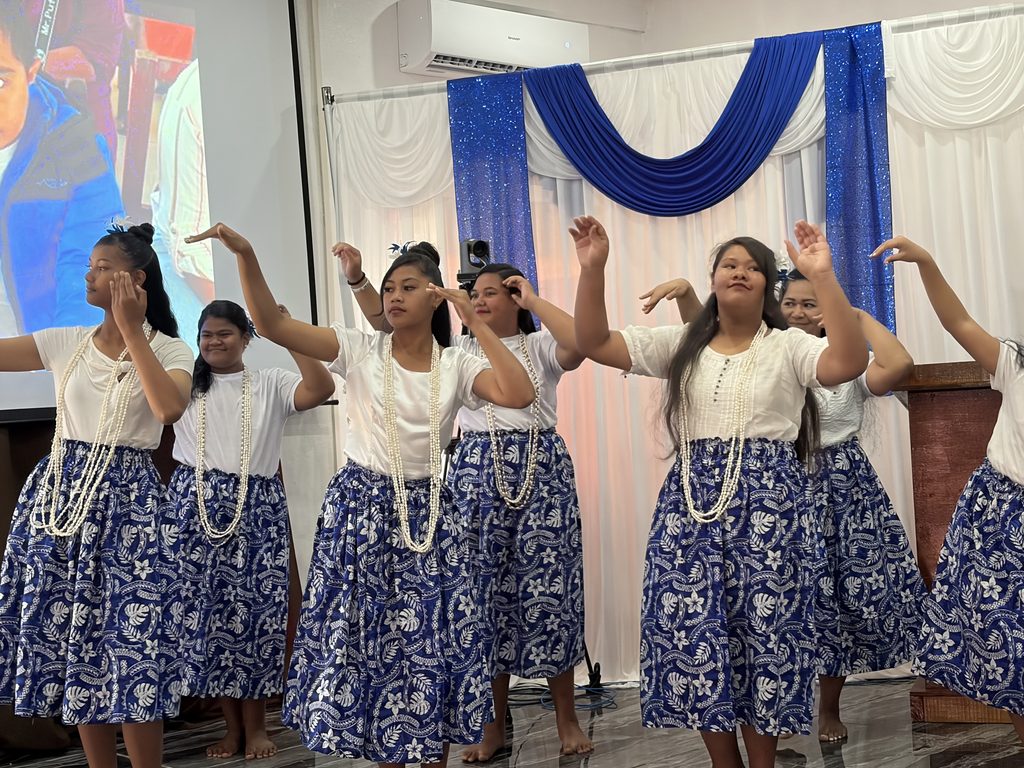


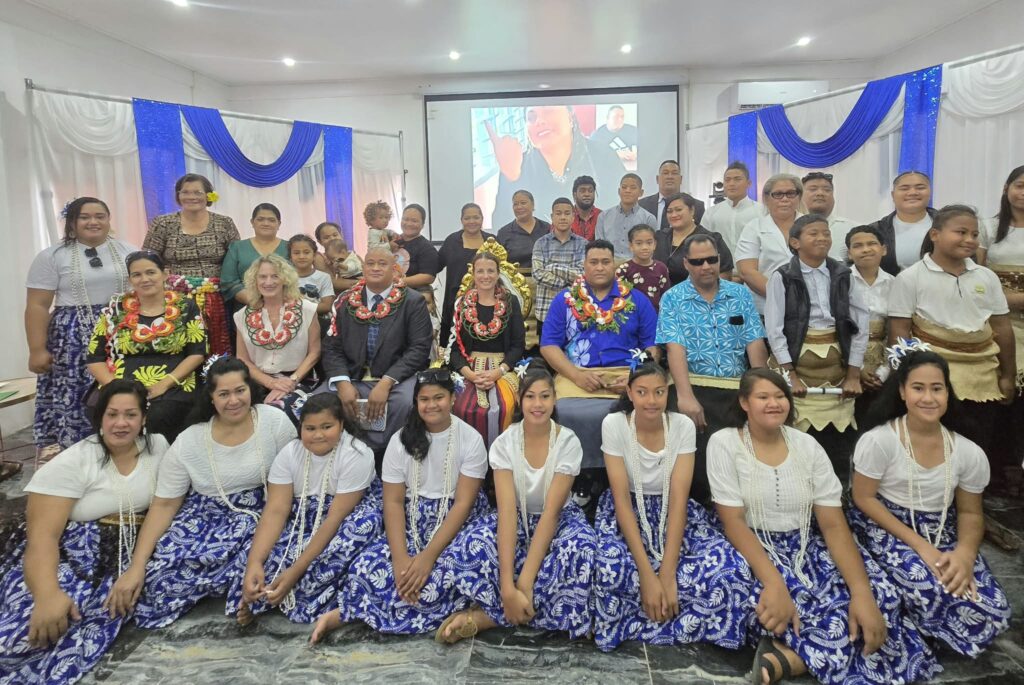
A new TOP$100,000 funding commitment from the Australian Government is set to strengthen support for deaf Tongans and their families over the coming year.
The funding was announced on Monday, 21 September, during the opening of International Week of Deaf People, being marked in Tonga for the first time with a week of activities aimed at recognising deaf Tongans and raising awareness of the deaf community.
The funding will support the work of the Tonga National Deaf Association (TNDA), which is also marking its first anniversary this week.
In just 12 months, TNDA has grown to around 100 members in Tongatapu, ranging from young children to adults. The association has helped families learn to communicate with their deaf children through sign language and has begun advocating for deaf Tongans with government, schools and service providers.
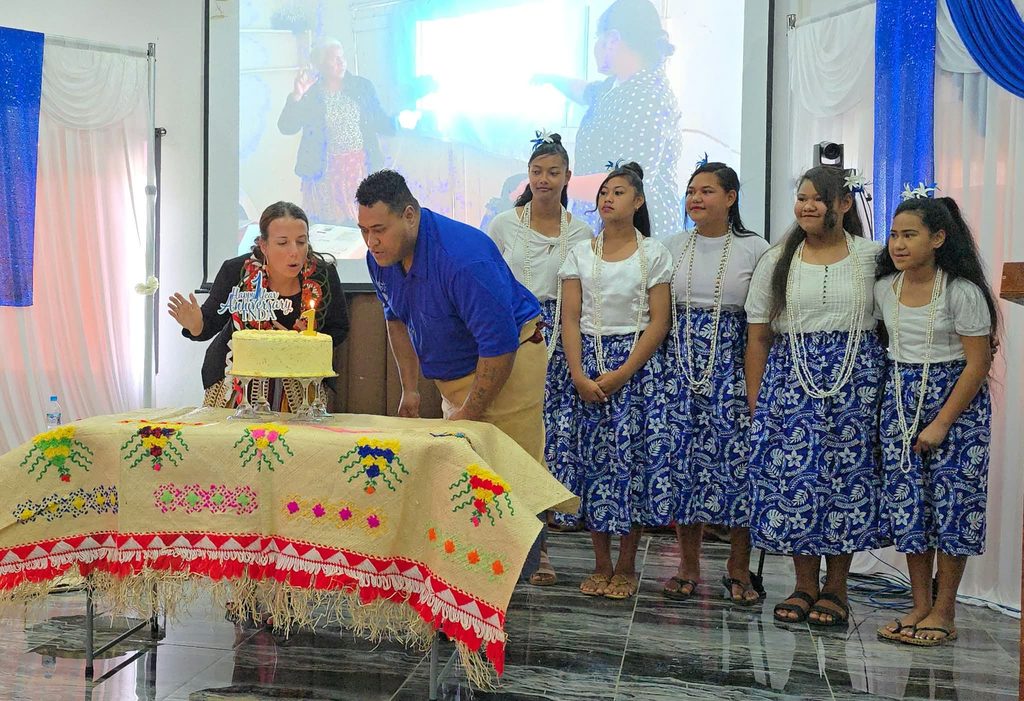
TNDA President Fisiʻilose Metui, who is deaf, said the association’s first year had demonstrated what could be achieved when the deaf community had an organisation of its own.
“Our first year was hard – it took a lot of learning, sharing experiences and encouraging each other to willingly participate in programmes and Tongan life. We now have a community of deaf people who regularly meet with each other and learn signs together,” Mr Metui said.
He said one of the association’s priorities was documenting Tongan Sign Language while ensuring deaf Tongans were more confident in advocating for their rights.
“We are happy to be documenting the Tongan sign language, and happy that our deaf community are more confident now that we have an organisation that can advocate for our right to education, to access information, and to have the same opportunities as every other Tongan,” he said.
“This was always my dream, but I never knew how to make it possible. And now it’s becoming a reality – praise God.”
Despite the progress, deaf Tongans continue to face significant barriers, particularly in education, training and employment.
Only a small number of deaf students are currently attending classrooms in Tonga.
“Deaf children can learn as well as any other Tongan child,” Mr Metui said.
“What they have not had are teachers who can sign, interpreters in the classroom, and a sign language they can follow their lessons in.”
He said the barriers facing deaf children in education often continued into adulthood.
“In the whole history of our country, not one deaf child has graduated from Form 7. Those same barriers follow deaf Tongans into adult life, where they are ready to work and have much to contribute, but seldom find a way into training or employment. This funding lets us begin to change that.”
Limited public awareness of deafness also remains a challenge. In families where there is little or no knowledge of sign language, deaf children and adults can experience isolation within their own homes and communities.
The new funding will support TNDA’s community outreach, including home visits to families of deaf Tongans, evening classes for deaf adults and continued development and documentation of Tongan Sign Language.
Australia previously supported the publication of Tohi Talanoa Nima, a Tongan Sign Language booklet that helped lay the foundation for the establishment of TNDA.
Australian Acting High Commissioner Jane Livesey attended the opening event and reaffirmed Australia’s support for disability inclusion in Tonga.
“Australia is committed to supporting Tongan partners to advance disability equity and inclusion. We are proud to partner with organisations of people with disability, including the Tonga National Deaf Association, whose leadership, lived experience and advocacy are helping build a more inclusive Tonga,” Ms Livesey said.
The funding announcement comes weeks after Tonga ratified the United Nations Convention on the Rights of Persons with Disabilities, which recognises the rights of persons with disabilities, including the right of deaf people to use sign language.
International Week of Deaf People continues until 27 September.
TNDA’s programme includes a talanoa session for parents of deaf children, an International Day of Sign Languages activity on Wednesday where participants will suggest and develop new signs for Tongan Sign Language, and home visits to families of deaf individuals to introduce them to TNDA and its services.
Since July 2026, 88.1 FM – Tonga People’s Radio has continued to raise awareness of issues affecting Tonga’s deaf community through dedicated broadcasts with local NGO Moui he Ofa Foundation, while Tonga Chronicle has used government press conferences to raise questions and draw greater attention to the support and services needed by Tongan deaf community. Both platforms have also advocated for greater inclusion, accessibility and support for people living with disabilities.
Further, a radio programme raising awareness of deaf Tongans and TNDA’s work will air on 88.6 Radio Nukuʻalofa at 9am on Friday, 25 September.
World Deaf Day will be observed on Sunday, 27 September.
Deaf Tongans and families seeking support can contact TNDA at tnda1@yahoo.com, by phone on 29876 or 7217691, or through the Tonga National Deaf Association Facebook page.