


An increasing number of civil servants who have retired and there is a rise to widespread of dissatisfaction due to their inability to access their pension or retirement fund benefits in full.
In January 2026, 88.1FM / Kalonikali Tonga reported on this matter, expecting that the Government would solve this issue. During that month, a retiring police officer was entitled to a total retirement payout of approximately $60,000. However, he was only issued $6,000, with the understanding that the remaining balance would be paid out in installments. This caused significant distress to the retired officer, as it disrupted his planned financial arrangements for his retirement money.
Yesterday, September 1, 2026, 88.1FM / Kalonikali Tonga was contacted by a senior government official who confirmed receiving a growing number of inquiries regarding the same issue.
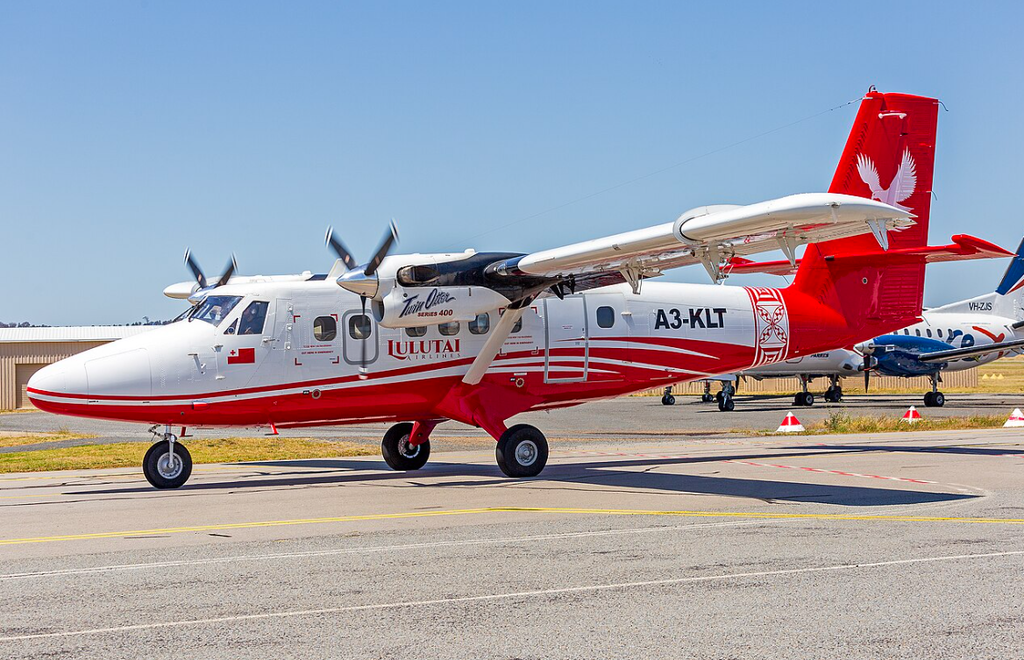
Between 2022 and 2024, the Government made a new move concerning the civil service retirement fund. It is alleged that approximately $6 million was withdrawn from the fund and injected into Lulutai Airlines. While this transaction was initially reported to media outlets as a loan, subsequent investigations by 88.1FM / Kalonikali Tonga as of yesterday reveal that it was not a loan, but an investment. Through this investment by the 2022–2024 administration, the Government acquired shares in Lulutai Airlines, making the fund eligible for dividends from the company’s total profits.
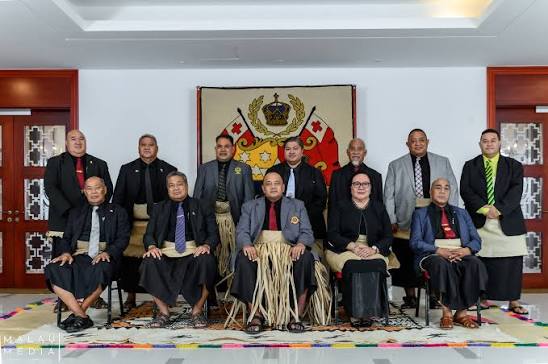
Investigations by 88.1FM / Kalonikali Tonga into the composition of the board of directors at Lulutai Airlines revealed that the board members are composed entirely of Cabinet Ministers. Reports indicate that board remuneration is structured separately from standard salaries, with directors receiving additional, separate sitting allowances for every board meeting attended.
The same administration also withdrew approximately $3 million from the civil service retirement fund to purchase the Paradise Hotel in Vava’u. At the time of this transaction, the current Prime Minister served as the Speaker of Parliament.
To date, 88.1FM / Kalonikali Tonga has found no record or evidence indicating that prior consultation or mutual agreement took place between the Government and civil servants regarding these investment withdrawals.
Operating a domestic airline remains vital for Tonga to facilitate essential travel, streamline emergency medical evacuations, and support the transportation of the elderly and chronically ill. However, the operational management of Lulutai Airlines requires urgent oversight to guarantee profitability and structural order. Necessary measures include conducting an independent audit of the airline and presenting the findings to Parliament to assess its current financial and operational standing.
THE FINANCIAL JOURNEY OF A CIVIL SERVANT
The career-long financial trajectory of an individual who chooses to serve the Kingdom of Tonga is often characterized by a salary that remains modest relative to the daily cost of living from the beginning of their service until retirement.
To secure a vehicle or fund the construction of a home, civil servants must invariably secure commercial bank loans. Vehicle loans carry an average term of 3 to 5 years, while housing loans average 21 to 30 years, contingent upon the individual’s salary, secondary income sources outside the civil service, and the principal loan amount. When these individuals start a family, the financial responsibility of household maintenance is layered upon their limited primary income. This is further compounded by family obligations, church financial contributions, traditional cultural obligations within the workplace, and various other customary demands of Tongan life.




Consequently, some civil servants utilize their annual leave to seek short-term employment overseas, capitalizing on higher foreign wages to alleviate their local financial burdens. Upon the expiration of their leave, they return to resume their duties within the civil service. Throughout this cycle, civil servants continually strain to fulfill their societal and familial responsibilities on restricted budgets.
Upon reaching retirement age, individuals rely on their pension payouts to settle outstanding debts, execute long-overdue home renovations, upgrade or replace vehicles, fund higher education for children who did not secure scholarships, and meet other pressing financial demands.
Unfortunately, these retirement funds are often exhausted rapidly. As a result, many retirees are forced back into the workforce to meet daily living expenses, continuing to work until physical limitations prevent them from doing so, effectively working for the remainder of their lives.
At the conclusion of a career in public service, one must ask: when does the worker truly get to rest? When do they enjoy the fruits of their labour? The current pension framework fails to provide the financial independence required for civil servants to retire with physical, mental, and emotional peace of mind. It deprives them of the freedom to pursue lifelong personal aspirations, such as recreational travel, or contributing to the development of local children and youth initiatives within the community.


Compounding these systemic struggles, the recent mismanagement of retirement payouts has left retired public servants facing a highly distressing reality: THE INABILITY TO ACCESS THEIR RETIREMENT BENEFITS IN FULL IS PROVING ENTIRELY UNACCEPTABLE.