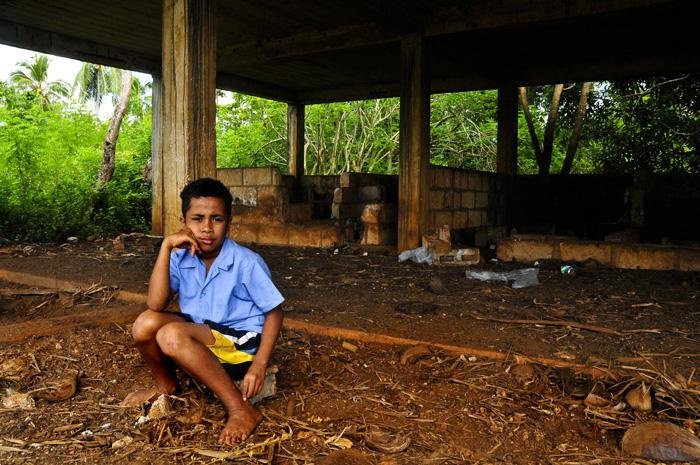


One in four Tongan children are suffering from multidimensional poverty, facing overlapping deprivations in essential needs like housing, nutrition, and healthcare.
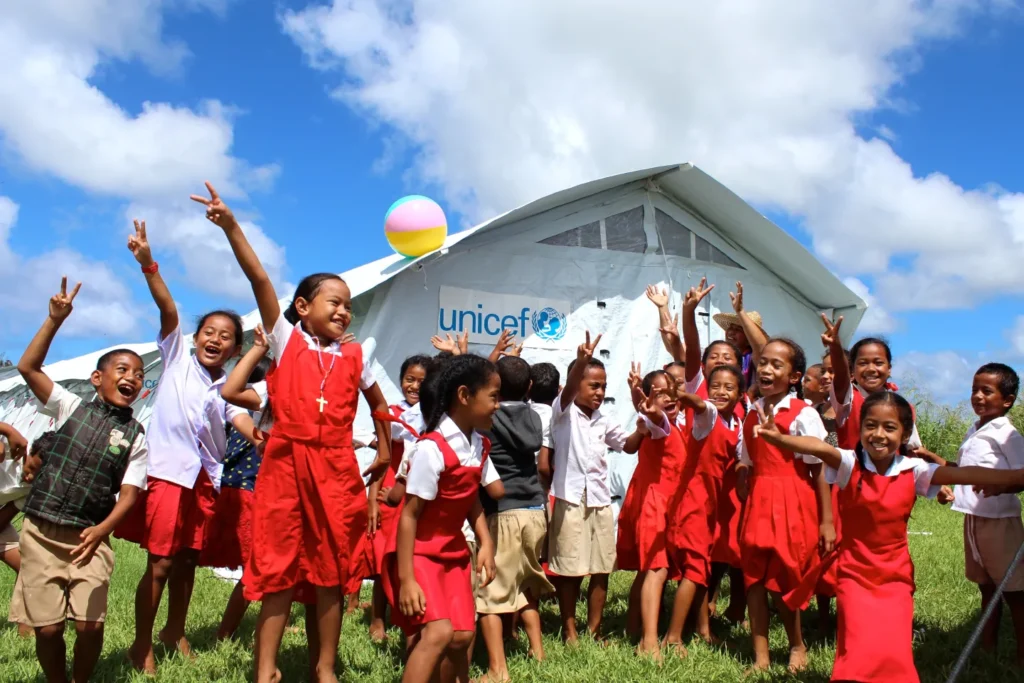
A landmark report titled Multidimensional Child Poverty in Tonga—jointly published by the Government of Tonga and UNICEF—reveals that 25.3 percent of the nation’s children are deprived of more than one basic human right. Rather than focusing strictly on financial income, the multidimensional metrics expose how severe lack of adequate housing, medical access, education, and clean water disrupt daily life.
Key Findings and Regional Disparities
The data, compiled using Tonga’s Multiple Indicator Cluster Survey, shows a stark contrast between urban environments and outer island communities. Children in rural districts are nearly twice as likely to fall behind, facing a poverty rate of 28.3 percent compared to just 14.8 percent in urban centers.
The geographic distribution highlights acute regional hardships across Tonga:
‘Eua: Highest child poverty rate at 48.9 percent
Ha’apai: Severely impacted at 40.8 percent
Ongo Niua: High rates at 35 percent
Tongatapu: Lowest reported regional rate at 21.6 percent
Infants Hit the Hardest
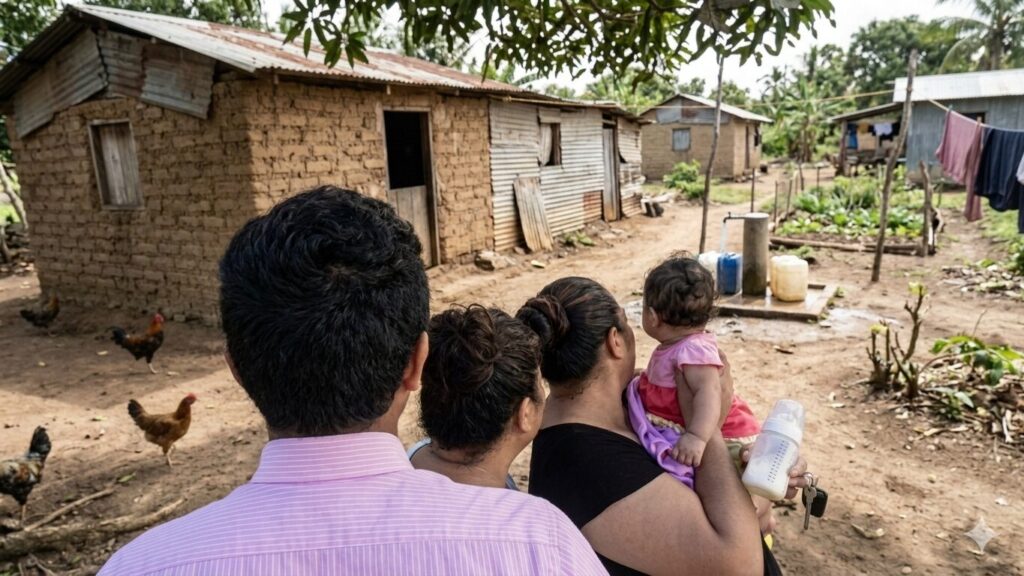
The youngest demographics are experiencing the heaviest burdens. Approximately six out of ten infants aged 0 to 23 months suffer from three or more critical deprivations simultaneously. The data shows that 76.9 percent of these infants experience health-related deprivations, while 68.3 percent lack necessary daily nutrition.
Across all age brackets, substandard housing remains the most widespread issue, affecting over half of the children surveyed. On average, a Tongan child trapped in poverty experiences 3.4 different deprivations at the exact same time.
Leaders Call for Urgent Reforms
Tongan Prime Minister Lord Fakafanua emphasized that the document serves as an urgent wake-up call to construct robust social safety nets before vulnerable households collapse into severe crisis.
UNICEF Pacific Representative Hamish Young reiterated that the data represents real children fighting daily, overlapping struggles. Both UNICEF and local officials have called for immediate, cross-sector government action to strengthen welfare programs, healthcare networks, clean water infrastructure, and child protective services.