


The South Pacific island nation of Nauru has officially changed its name to the Republic of Naoero.
The historic decision drops a global name chosen out of foreign convenience to embrace the authentic spelling and indigenous pronunciation of the national language.
Shedding a Colonial Identity
According to statements released by the government, the name “Nauru” originally emerged simply because the local name proved too difficult for foreign visitors to properly pronounce.
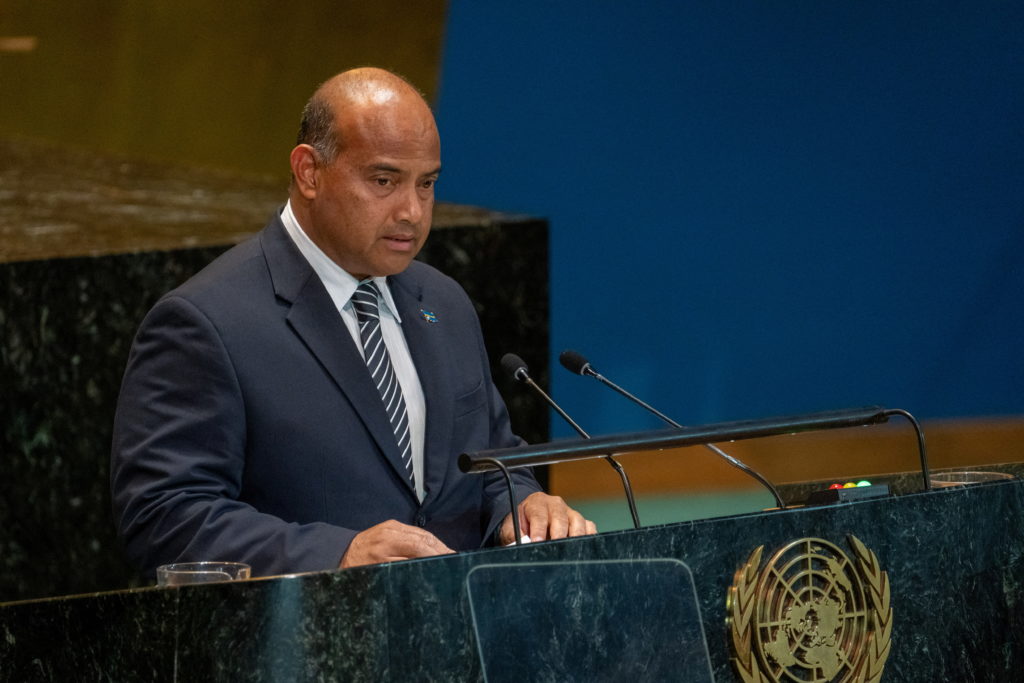
President David Adeang first proposed the constitutional amendment to parliament in January, declaring the change a necessary step to “more faithfully honour our nation’s heritage, our language, and our identity”.
Following two required rounds of parliamentary votes and extensive internal discussions, the government ultimately decided that a public referendum was unnecessary. Lawmakers emphasized that “Naoero” has never truly been lost, noting that it already exists on the national coat of arms and remains the primary identity spoken daily throughout the community.
A Global Transition Begins
The shift places Naoero among a growing list of nations reclaiming their native names to move away from colonial pasts, following in the footsteps of countries like Eswatini (formerly Swaziland) and Türkiye (formerly Turkey).
The renaming triggers a series of immediate regional and international updates:
Pronunciation Shift: The universally known “Now-roo” is officially replaced by the traditional pronunciation, “Now-ero”.
National Demonym: Citizens will now be formally recognized as dei-Naoero instead of Nauruans.
Global Codes: The country’s international code formally shifts from NRU to NRO.
Official Branding: The government will begin the immediate task of renaming all national ships and aircraft.
Major international bodies and foreign allies have already adapted to the transition. The United Nations updated its official database to reflect the new designation following a formal request, while foreign ministries and embassies for Australia, New Zealand, the United States, and China have updated their official records.
A Vulnerable Paradise
With a population of just 12,000 residents, the tiny coral limestone atoll is the world’s third-smallest country by population size.
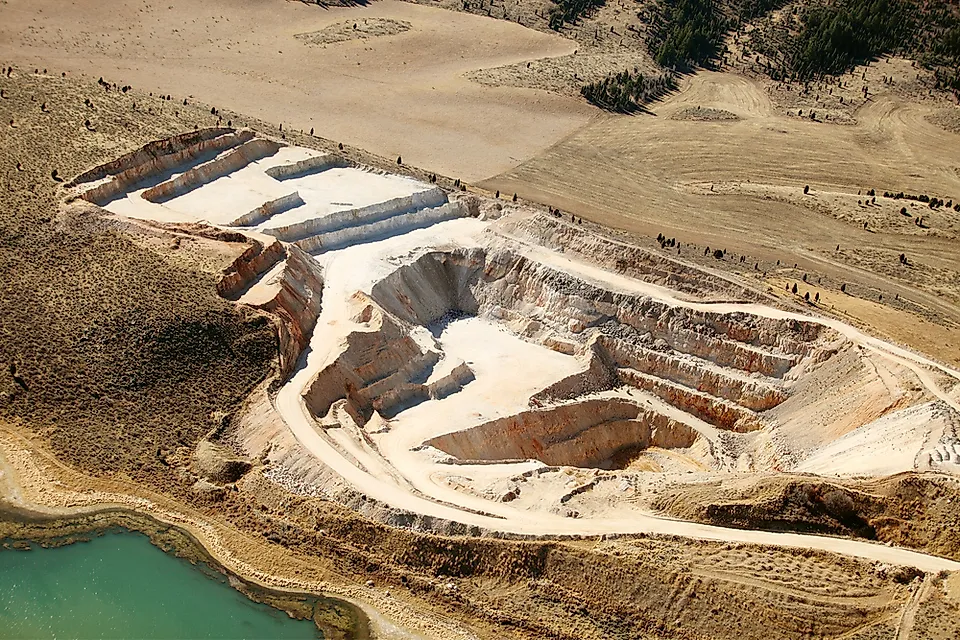
The nation has navigated an incredibly tumultuous history. Once possessing immense wealth from a booming phosphate mining industry in the 1970s, Naoero faced severe economic ruin when the industry collapsed in the 1990s.
Today, the republic faces its most critical modern threat: climate breakdown. As one of the world’s most vulnerable territories to rising sea levels, the government is currently pushing for overseas investments through a specialized citizenship program. The purpose of this assistance is to securely move communities and infrastructure away from the rising ocean.
Despite these looming environmental challenges, leadership views the reclamation of their traditional name as a powerful catalyst for renewed national pride.