
Home Blog Page 5

“DEMOCRACY IS WHO THE PEOPLE CHOOSE”: Supervisor of Elections URGES TONGA’S YOUTH TO VOTE

0
Komisoni1
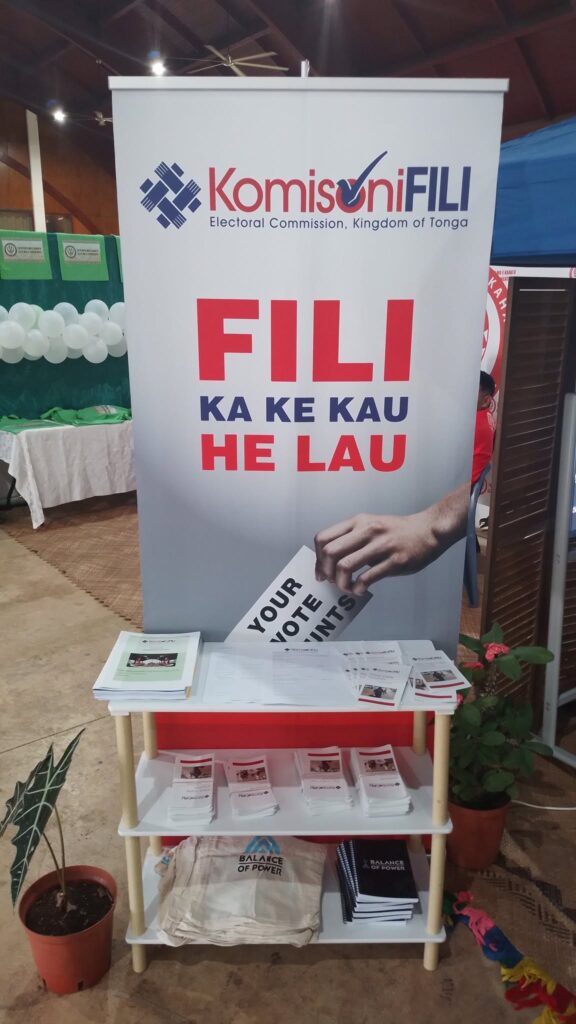
Photo Credit: Komisoni Fili facebook

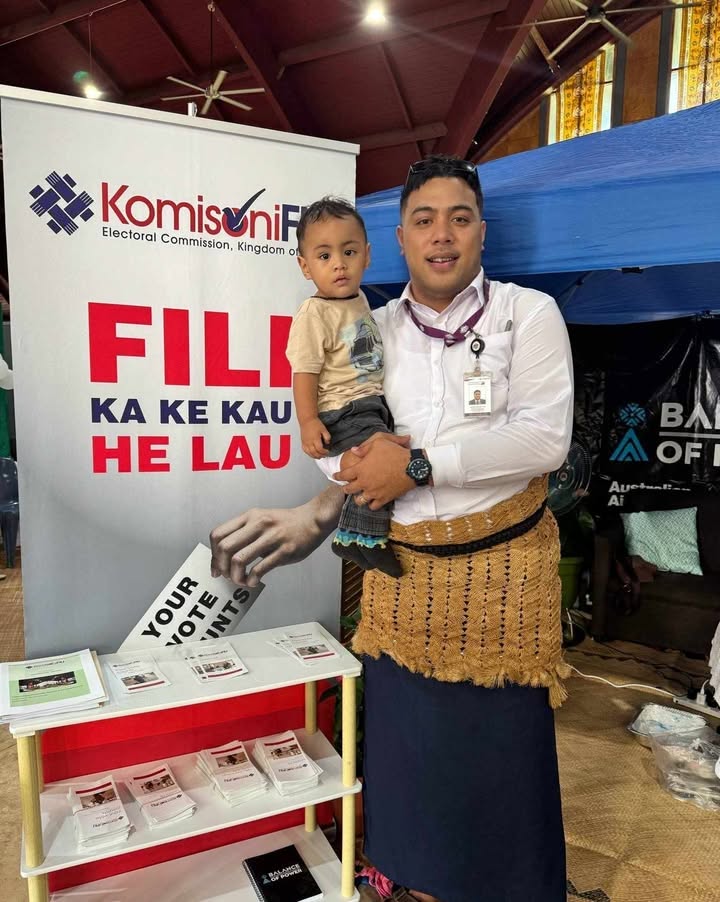
Supervisor of Elections/ CEO Mr. Sam Vao says the future of Tonga depends on young people making their voices heard at the ballot box.

Nuku’alofa, Tonga — As Tonga prepares for the upcoming by-elections, Supervisor of Elections and CEO of the Tonga Electoral Commission, Mr. Sam Vao, has issued a strong message to the Kingdom’s young people: their voices matter, and they must use their votes.

In an exclusive interview with the Tonga Chronicle, Mr. Vao highlighted youth participation as one of the most important issues facing Tonga’s democratic process.

He expressed concern that a significant number of young people do not participate in elections and said more needs to be done to educate the younger generation about the importance of voting and their role in democracy.

His message was direct:

“Democracy is who the people choose.”

Mr. Vao said young people need to understand that voting is not simply a right, but an opportunity to have their voices heard and to participate in determining the future leadership and direction of the Kingdom.

“THE YOUTH ARE THE FUTURE OF OUR KINGDOM”

Mr. Vao stressed that young people are the future of Tonga and therefore must understand the importance of participating in the democratic process.

He said the voices of young Tongans should not be absent when decisions are being made about the future of their country.

For him, democracy ultimately comes down to the people making their choice.

FROM VOTERS TO FUTURE ELECTION OBSERVERS

Mr. Vao also sees an opportunity to involve young people beyond simply casting their ballots.

He said Form 6 and Form 7 students could be trained as election observers in future elections, giving them first-hand experience of how elections are conducted.

He believes this type of education could help develop a stronger understanding among young people of the importance of elections, transparency and public participation.

ELECTORAL COMMISSION READY FOR OCTOBER

Mr. Vao’s call for greater youth participation comes as the Tonga Electoral Commission prepares for three important elections.

The Tongatapu 2 and Niua 17 by-elections are confirmed for Thursday, 8 October 2026, while the election for the Town Officer of Tu’anekivale in Vava’u will be held on Thursday, 1 October 2026.

Mr. Vao confirmed that many people have already registered as candidates for the Tongatapu 2 by-election.

He said the Commission has also worked hard to provide candidates with comprehensive information packages outlining the requirements and responsibilities involved in contesting an election.

The aim, he explained, is to ensure candidates understand the electoral rules and procedures and to help prevent situations that could result in another by-election.

A SMALL TEAM TAKING ON A BIG RESPONSIBILITY

The preparations are taking place despite significant financial and staffing challenges.

Mr. Vao said the 2026 Government Budget did not specifically provide for the upcoming by-elections, while the Commission’s existing funding is barely enough to cover staff wages.

Despite this, the Commission’s team has pledged to take on the responsibility of delivering the elections.

The Electoral Commission currently has only five staff members, and Mr. Vao said there are plans to recruit additional staff in the future.

NIUA ELECTION TO BE MONITORED FROM TONGATAPU

The Niua 17 by-election will be conducted in the Niua Islands, while the Electoral Commission will monitor the process from its office in Ma’ufanga.

Mr. Vao explained that unreliable aircraft and boat schedules make travel to the Niua Islands difficult for the Commission.

Despite these challenges, he said arrangements are being made to ensure the election is properly monitored.

OBSERVERS AND THE INTEGRITY OF ELECTIONS

Mr. Vao also emphasised the importance of independent observers in maintaining confidence and integrity throughout the electoral process.

Observers have included overseas diplomats, including the Ambassador of China and representatives from other diplomatic missions.

He said the involvement of observers provides an important layer of transparency and helps strengthen public confidence in the conduct of elections.

THE NEXT GENERATION OF DEMOCRATIC PARTICIPANTS

For Mr. Vao, however, the future of Tonga’s democracy ultimately rests with the next generation.

His call for young people to vote goes beyond the October by-elections. It is a call for greater civic awareness and participation among Tonga’s youth.

With young people representing the future of the Kingdom, he believes they must understand that their decisions, their participation and their votes can shape the Tonga they will inherit.

Tonga Chronicle will continue with the second segment of our exclusive interview with Supervisor of Elections and CEO Mr. Sam Vao, covering voter transfers, bribery laws, electoral offences and why Tonga’s electoral laws do not always align with traditional Tongan customs and cultural practices.
Taukei Ta’u 31: To’oto’o Konga Lalahi e Vakai ‘a e CEO ‘o e Potungāue Fonua’ ki he Lao’ mo e Fakalakalaka’

Geodetic 5 500x400

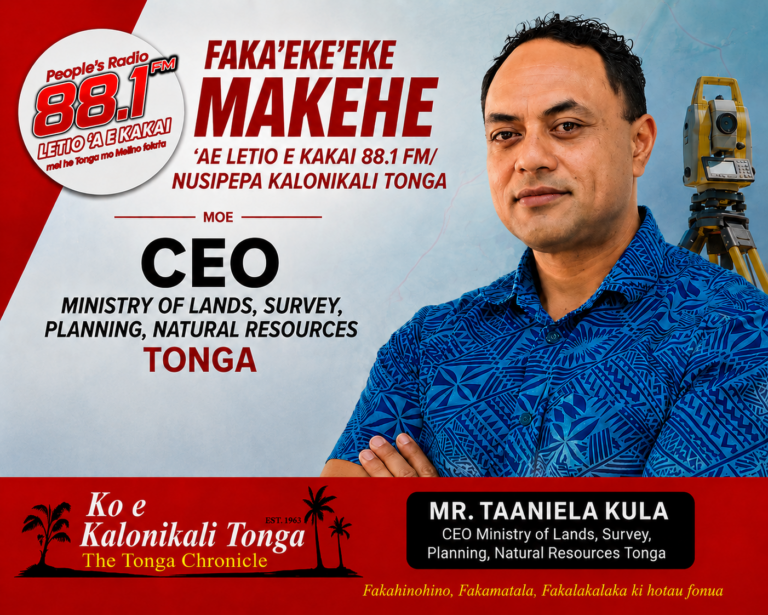
To’oto’o konga lalahi ‘o e polokalama talatalanoa makehe mo e CEO pe Pule Ngāue Lahi, ‘a e Potungāue Fonua´, Savea´ mo e Ngaahi Koloa Fakaenatula – Taaniela Kula:

1. ‘Oku fu’u fiema’u ha kau ngāue toko lahi, ngaahi me’angāue lahi, mo e pa’anga lahi ke lava ‘o fakalelei’i ‘aki mo fakatoko lahi e kau ngaue mo e ngaahi me’angāue ‘a e Potungāue ke fakasi’isi’i ai e fetaliaki´ mo e fiutali e kakai e Fonua´.

2. Fe’unga e pa’anga ‘oku fakamole atu ‘ehe Potungāue´ mei he he’enau patiseti´ moe $6.7 miliona tupu ‘i he tau. Ko e pa’anga ‘oku lava ‘e he Potungāue ‘o tānaki mai he ta’u ko e $1.2 miliona tupu pē ia. ‘I he tu’unga ko eni ‘oku lahi ange fakamole´ ‘i he lahi e pa’anga ‘oku tānaki mai´.

3. Liliu e founga ngāue´ ke fakasi’isi’i e fekihiaki mo e ‘eke ‘e he kakai´ ‘enau totonu ki he kelekele´. Fiema’u ke fakatokolahi ‘a e kau ngāue´ pea mo e kau loea ‘a e Potungaue´ he ‘oku fu’u lahi e ‘eke totonu fakakelekele, pea ke toe masila ange ‘a e me’a ‘a e Potungaue´ ‘oku fakahū ki he Kapineti.   

4. Ko e tu’u ‘a e Lao´, ko e Fakamaau’anga´ pē ‘oku ne lava ‘o liliu ha lisi kuo ‘osi lesisita. ‘Oku ‘ikai ke lava ‘e he Minisita ‘o fakafoki ha lisi kuo ‘osi lesisita. Ko e founga ngāue ‘i he taimi ni, ‘oku fakahū ‘e he Potungaue Kelekele´ ki he ‘ofisi ‘o e ‘Ateni Seniale pea mei ai ki he Fakamaau’anga, ‘o fokotu’u atu ko e lesisita na’e hala pea ‘oatu mo e ngaahi makatu’unga na’e hala ai e lesisita´. ‘Okapau te ne tali ke liliu e lesisita´ pea toki liliu e lesisita´. Ko e fakamole kotoa ki ai ‘oku fua ia ‘e he Pule’anga´.    

5. ‘Oku fakahoko ‘e he Potungāue´ ‘a e ngāue´, pea lipooti ‘a e CEO ki he Minisita Fonua´ pea lipooti ‘a e Minisita Fonua´ ki he ‘Eiki Palemia´. Ko e ngaahi fakamatala tuku atu kotoa pē, ‘oku ‘alu ia mei he ‘Eiki Palemia´ ‘o kau ki ai ‘a e ngaahi fakamatala felave’i  mo e Hala Fakakavakava Fanga’uta pea mo e toe lisi ‘a e NDRMO mei he Tonga Power Ltd.   

6. ‘Oku tu’u pe ‘a e Kupu 84 mo e 85 ‘o e Lao Kelekele´, ‘oku ‘ikai ha liliu ki ai. ‘Oku ‘ikai lava ‘e ha fototehina ‘osi ma’u ‘api, ‘o tala ‘api ki ha ‘api ‘uta pe ‘api kolo ‘o hano ta’okete kuo pekia. Ko e foha, mokopuna pē ‘ofefine te’eki mali pē ‘oku lava tohi tala ‘api ki ai. Ko e fakatonutonu ‘o e 2020, ko e liliu pe ‘a e ngaahi fakalea ‘e ni’ihi ke fakaonopooni ange kā ‘oku ‘ikai ke ne liliu ai ‘a e Lao Kelekele´.  

7. ‘Oku ‘i ai ‘a e Komiti Ngāue ‘a e Potungaue Fonua´, ‘oku ngāue ki ha ngaahi fehalaaki pe palopalema fakakelekele ke fakatonutonu ‘o kau ki ai ha ngaahi me’a felave’i mo e Kupu 84-85. Ko e Komiti Ngāue ko eni´, ‘oku Sea ai ‘a e Minisita Fonua´ pea ko e kau memipa´ ko e CEO ‘o e Potungaue Fonua, CEO ‘o e PSC, Loea ‘e 2 pea mo e fakahinohino lao ‘a e Pule’anga.  

8. Ko e founga totonu ki ha ngaue langa ‘i ha konga kelekele ko e :

‘Uluaki – Lesisita ‘a e kelekele ‘i ho hingoa (tala’api pe lisi)

Ua – Fakapapau’i ‘oku ‘osi maau ‘a e aleapau lisi ‘okapau ko e lisi

Pea fakahoko leva ‘a e ngaue langa. ‘Oka langa ha fale ‘i ha konga kelekele ‘o ha taha kehe, ‘e hoko ‘a e fale ko ia´ ko e fale ia ‘o e tokotaha ‘oku lesisita ai ‘a e kelekele ko ia´.

9. Neongo e lahi e ngāue´ moe ngaahi pole kotoa pē, ko e Faitotonu´ pe taha ‘e lava ke fakaola lelei ai ‘etau ngaahi ngaue´. Ko e fakamo’oni ako mahu’inga taha pe ia ko e FAITOTONONU´. Ko e kī ia ke fai ‘aki ‘etau ngāue he ‘aho kotoa pē neongo ‘ene faingata’a mo lahi e ngaahi pole´.

10. Ko e CEO eni na’e kamata ngāue ‘i he Potungaue´ ‘i he 1995 ‘i he tu’unga ko e tokotaha akoako tā palani moe tā mape. Kuo ne ngāue ‘i he ngaahi tafa’aki kehekehe ‘i he loto Potungaue´ ‘o kau ki ai e va’a sio loki´ mo e palani kolo´. Na’e hoko ko e tokoni CEO ‘i Me 2012 pea hoko eni ki he lakanga CEO ‘i he ‘aho 23 Sanuali 2024´.  Mei he 2012, kuo ngāue ‘a e tokotaha ni ki he kau Minisita fakakatoa ‘e 4, ‘Eiki Palemia fakakatoa ‘e 5 mo e Palemia Le’ole’o ‘e 2. ‘Oku ma’u ‘e he tokotaha ni ‘a e taukei ngaue lelei, poto fakapotopoto mo e ngaahi a’usia lahi ‘oku hoko ko e poutuliki kiate ia ‘i hono tu’unga CEO mo e ngaue tataki ‘oku ne fakahoko ki he Potungaue´. Ko e ta’u fakakatoa ‘aki eni ‘e 31 ‘ene fakahoko fatongia ma’ae Potunga Fonua, Savea mo e Ngaahi Koloa Fakanatula´.

481252943 963572562600471 4189551632635648942 n

12 ‘Aokosi – Mei Fale Alea

0

Ko e ngaahi feme’a’aki he Fale Alea´ ‘aneafi 12 ‘o ‘Aokosi 2026 pea mo e tu’unga e tipeiti mo e ngāue ‘a e Fale Alea he lolotonga ni.  Ko e hā tu’unga ki he ongo sea ‘e ua ‘oku ‘i he Fale Alea´ ‘oku te’eki ai ke fili mai? Pea fefe nai e tu’unga ki he ngaahi potifolio lahi ‘oku te’eki ai ha minisita mo’oni ia ki ai mo tu’upau, ka ‘oku kei le’ole’o pē mo nau kei hoko ko e toko taha tauhi potungaue pē. Ko e hā leva ‘a e toko 2 fo’ou tena ngalingali hū mai ‘o tāpuni e tu’unga minisitā ko ia´?

NO PLACE LEFT TO FISH? TONGAN FISHERS QUESTION GROWING FISHING RESTRICTIONS

0
Tonga fish inp1
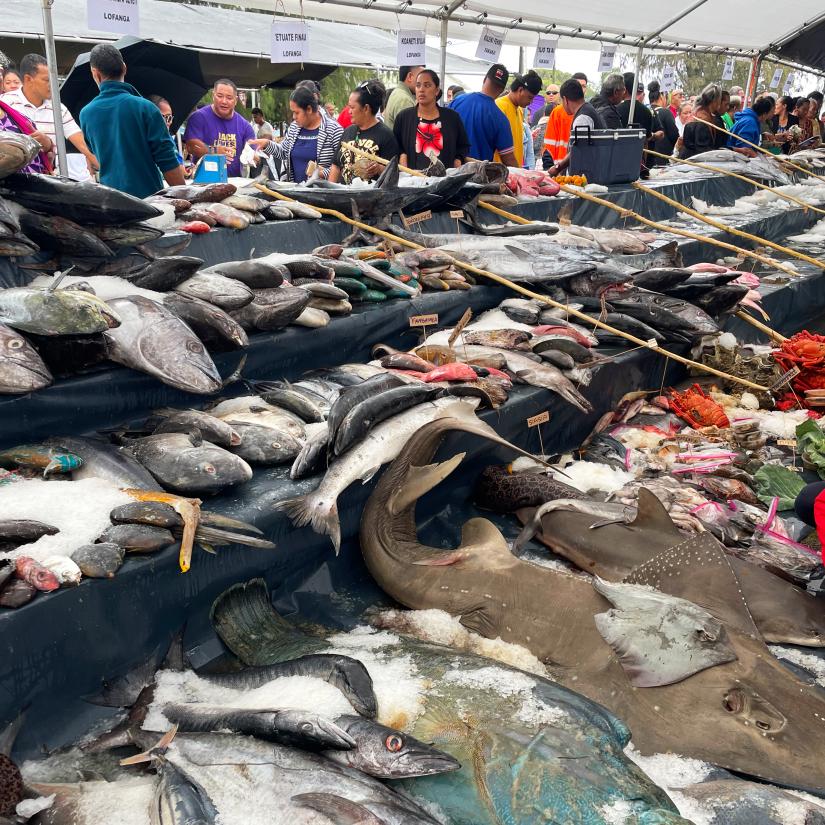
The enormous display of fish at Lifuka Island for Agricultural Day. Photo Credit :Elisabeth Easther.

Balancing conservation, food security and the livelihoods of local fishers

Nuku’alofa, Tonga — Growing concerns among some Tongan fishers over restricted fishing areas are raising a wider question: How can Tonga protect its marine resources while ensuring that local families still have enough access to the ocean to fish for food and income?

Fishing remains an important part of life in Tonga, supporting household food security, small businesses and coastal communities. However, the increasing use of Special Management Areas (SMAs), protected areas, closed seasons, species restrictions and fishing regulations has changed where and how people can fish.

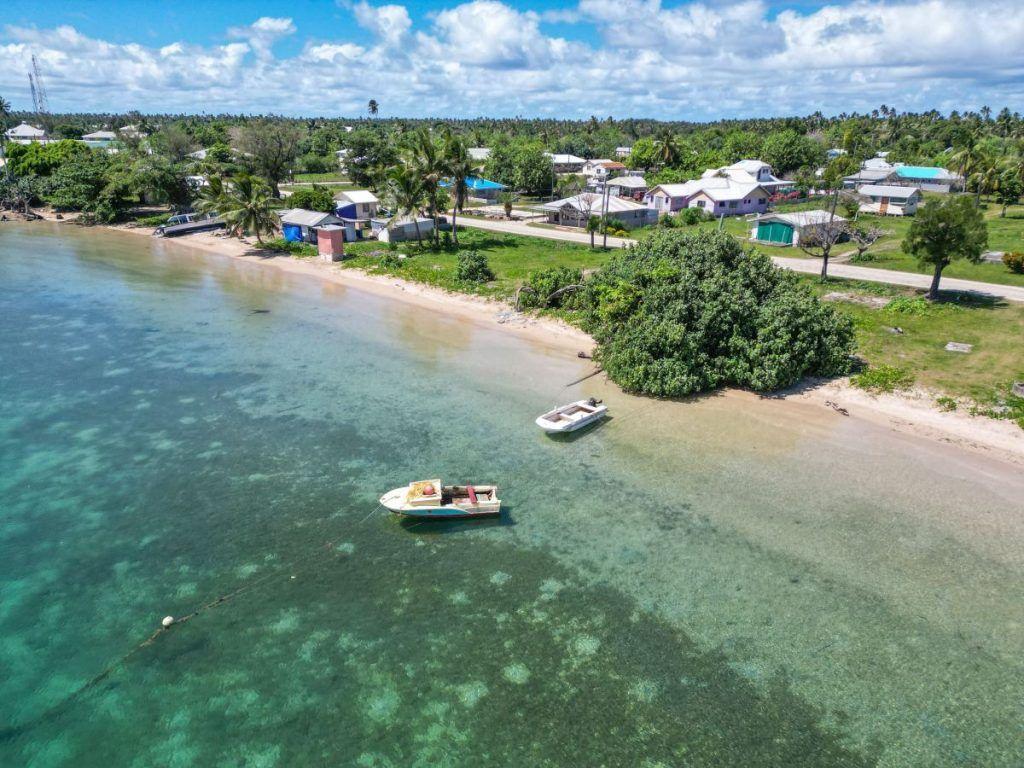
A practical example can be seen in Ha’atafu and Kolonga on Tongatapu.

Kolonga
Photo Credit: Ministry of Fisheries/Tongafish Pathway Project,

In May 2024, the Ministry of Fisheries held a boat handover for the Ha’atafu and Kolonga Special Management Areas. The Ministry recognised the communities for their work in marine conservation, sustainable fishing, data collection and fisheries monitoring.

The boats were intended to strengthen the communities’ ability to monitor and manage their local marine resources.

This demonstrates that SMA communities are not simply being excluded from their fishing grounds. They are also being given responsibilities and resources to participate in the management and protection of those resources.

However, for fishers, the important question remains whether the management rules provide sufficient opportunities for families to continue fishing legally and sustainably.

WHAT CANNOT BE FISHED?

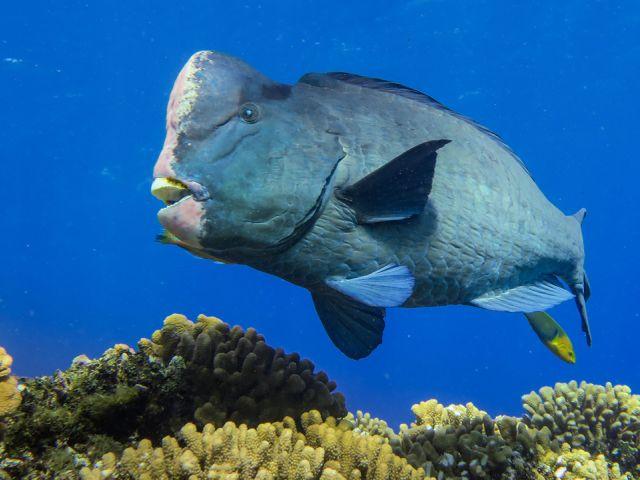
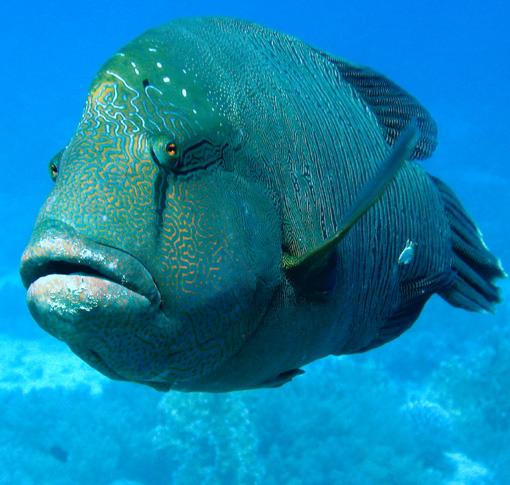
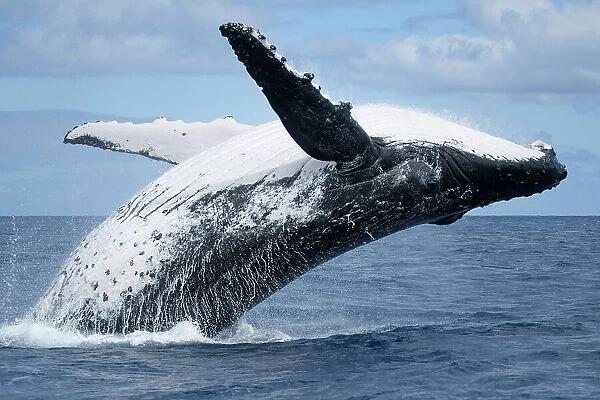
Tonga has strict protection for a number of marine species. Depending on the applicable fishery and regulations, protected species include turtles, whales and dolphins, giant grouper, bumphead parrotfish, humphead wrasse and certain rays, while other marine resources are subject to specific size limits, seasons, gear restrictions or licensing requirements.

Bumpheadparrot
Bump head parrot
Humphead wrasse
Humphead Wrasse
Tofuaa
Whale

Giant clams, Triton shells and other protected marine species are also subject to strict controls, and certain species cannot be harvested or exported without the required authorisation.

There are also restrictions on the size of fish that can legally be taken, meaning that even where a species is not completely protected, undersized fish may have to be released.

The Ministry of Fisheries also uses closed seasons, such as restrictions applying to sea urchin during its designated closure period, to allow resources to reproduce and recover.

At the end of the day, the concern from some fishers is not necessarily opposition to conservation. Rather, they want to know whether enough accessible fishing grounds remain for ordinary Tongan families, particularly those who depend on fishing for their livelihoods.

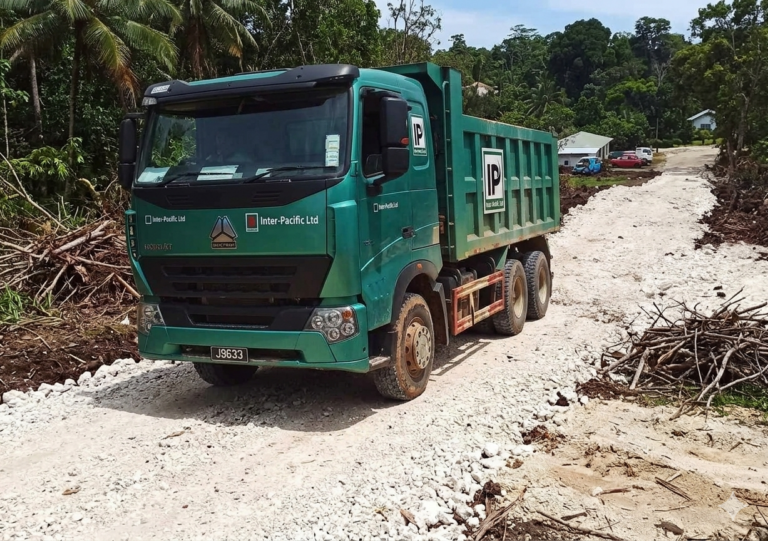
INTER PACIFIC LTD. AWAITS APPEAL RULING

0
Interpac

Final outcome remains uncertain as AC8/2026 appeal challenges CV40/2022 decision

Nuku’alofa, TONGA — The ongoing legal dispute involving Inter Pacific Ltd, Tonga Development Bank and the Government of Tonga remains subject to the final determination of the Court of Appeal, with the outcome of Appeal Case AC8/2026 still awaited.

The importance of awaiting the Court of Appeal’s judgment cannot be overstated. While Justice Tupou KC delivered judgment in CV40/2022 on 27 April 2026, ordering Inter Pacific Ltd to pay more than $2.4 million to Tonga Development Bank, that decision has been appealed by Inter Pacific.

The appeal means the legal dispute has not reached its final stage. Any discussion of Inter Pacific’s liability should therefore be presented with appropriate caution until the Court of Appeal has considered the appeal and delivered its judgment.

The dispute is linked to a 2020 road-works contract between the Ministry of Infrastructure and Inter Pacific Ltd, following the termination of that contract in 2022 by Hon. Hu’akavameiliku.

In CV66/2022, Justice Whitten KC ruled on Inter Pacific’s claim concerning work undertaken under the road-works contract, resulting in an obligation on the Government in relation to payment for qualifying work completed.

This creates an important wider financial context to the dispute.

On one side is the amount awarded in the Tonga Development Bank proceedings; on the other is the Government’s financial obligation arising from the separate proceedings involving Inter Pacific.

However, the two matters should not be treated as having been finally resolved as one dispute, and the pending appeal is particularly important in determining how the legal and financial positions should ultimately be understood.

The Court of Appeal’s decision in AC8/2026 could therefore be significant for the parties involved.

Until that judgment is delivered, it would be inappropriate to present the CV40/2022 decision as the final word on Inter Pacific’s legal position.

Ko e Kaveinga mahu’inga ‘oku fakahaa’i ko e tui ‘a e kakai ki he ngaahi fakamatala ‘a e kau taki, ‘oku totonu ke fakahoko ha fakakaukau fakapolitikale mo fakalao ke fakapapau’i ‘oku totonu mo mo’oni ‘a e fakamatala.

0
  1. Faikehekehe ‘o e me’a ko e fehu’i:
    Ko e fehu’i ‘oku ui ko e lauikovii ‘oku fakamatala ki he ngaahi fehu’i ‘oku fakahoko ‘i he taimi ‘o ha fakamatala fakapule’anga pe press conference.

Ko e faikehekehe ‘o e fehu’i ‘oku hā ai pe ko e fehu’i ‘oku fakahoko ke fakakaukau’i mo fakatokanga’i ‘a e mo’oni mo e totonu ‘o e fakamatala ‘a e kau taki.

  1. Tui ki he fakamatala
    ‘Oku totonu ke fakakaukau pe ko e fakamatala ‘a e Minisita pe Palemia ‘oku mo’oni mo totonu taha pe ia.

Ka neongo ia, ‘oku totonu ke fakakaukau’i pe ko e fakamatala ‘oku nau tuku mai ‘oku fakataumu’a ke malui ai ha ngaahi taumu’a fakapolitikale.

Ko e fatongia ‘a e kakai ke fakakaukau pea sio ki he ngaahi fakamatala he kuo hili, pea fakatatau mo e lao mo e konisitutone.

  1. Fatongia ‘o e faiongoongo
    Ko e faiongoongo ‘oku totonu ke fakakaukau’i lelei pea fakahoko ha fehu’i mo ha fakamatala ‘oku totonu ke malui ai e tu’unga fakapa’anga mo e mo’ui ‘a e kakai.

‘Oku totonu ke fakahoko ha fakamatala ‘oku fakatefito ‘i he mo’oni, pea ‘oua na’a fakalavea’i ‘e he ngaahi fakamatala fakapolitikale ‘a ha taha.

  1. Fatongia ‘o e kau Taki
    Ko e Minisita, CEO, pe Palemia ‘oku totonu ke fakahoko ha fakamatala ‘oku fakatefito ‘i he mo’oni mo e totonu.

‘Oku totonu ke nau fakahoko fatongia ki he lelei fakalukufua ‘o e Fonua, pea ‘oua na’a fakahoko ha fakamatala ‘oku ikai felave’i mo e lao.

  1. Ko e Lauikovii
    ‘E ui nai e fehu’i koe lauikovi’i? Fekau’aki mo ha ngaahi fakamatala ki he ngaahi me’a oku lolotonga hoko ‘i he Pule’anga?

‘Oku fakahaa’i ai ‘a e ngaahi fehu’i mahu’inga ‘oku fakahoko ke fakakaukau’i mo fakatokanga’i ‘a e mo’oni mo e totonu ‘o e fakamatala ‘a e kau taki.

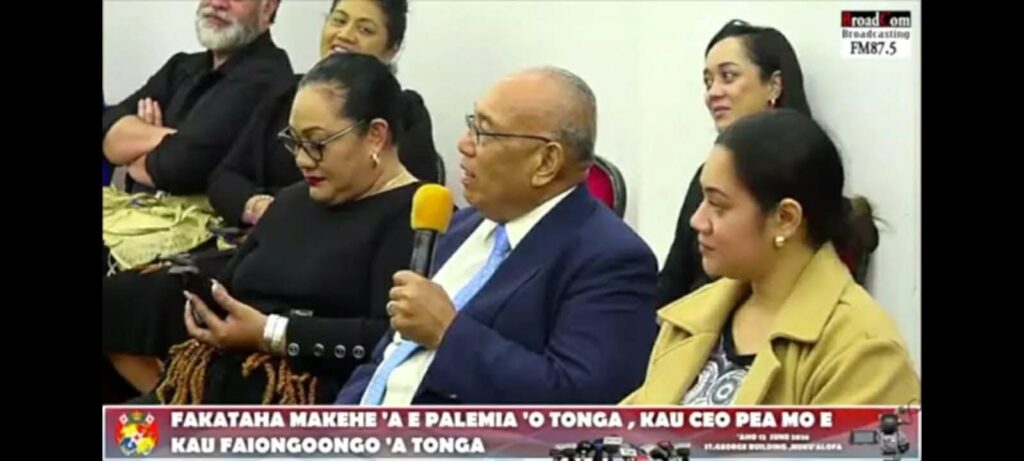
772712808 1939704966720699 4660130133125658537 n
Photo Credit (BroadCom 87.5)
IMG
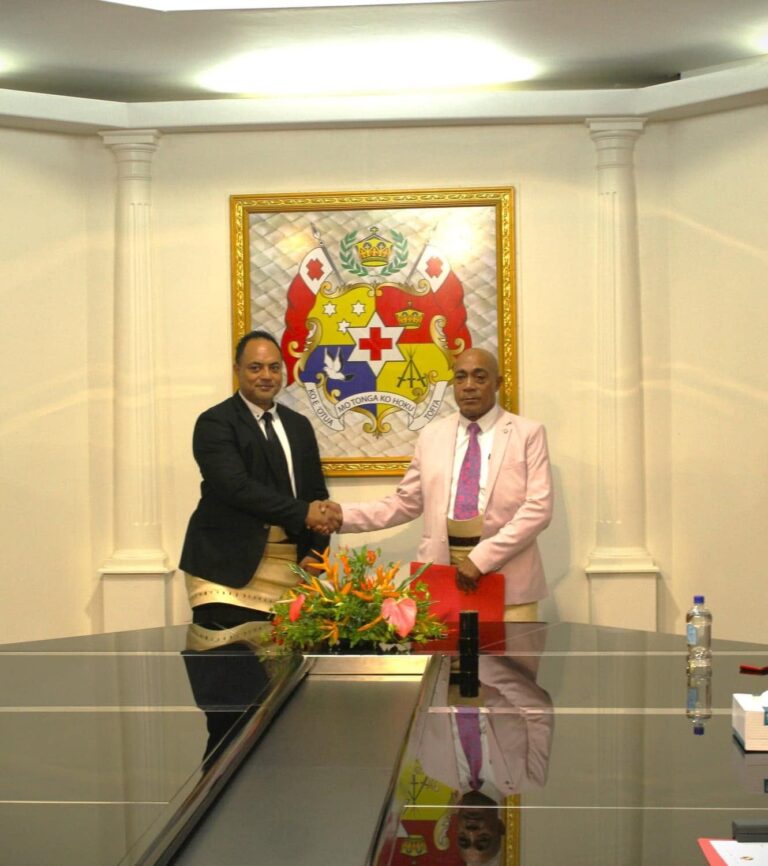
Photo Credit (PMO, Tonga)

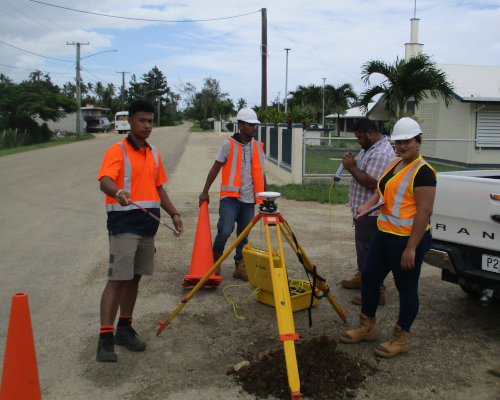
New Technology Tackles Tonga’s Long-Standing Land Allotment Backlog

0

Nuku’alofa — Tonga is turning to modern surveying technology and the expertise of tertiary students to tackle a long-standing backlog of land allotments awaiting surveying and registration, with more than 3,000 allotments identified for work.

In an exclusive interview with the Tonga Chronicle, Chief Executive Officer of the Ministry of Lands, Survey, Planning and Natural Resources, Mr. Taaniela Kula, confirmed that the Ministry has been using newer surveying technologies and additional human resources to accelerate the process.

Mr. Kula said the Ministry had engaged tertiary students in Tonga to assist with the extensive surveying work, helping the Ministry make significant progress in reducing the backlog.

According to the CEO, the initial workload involved more than 3,000 allotments, but following the work undertaken, the number of outstanding allotments has now been reduced to less than 1,000.

The development represents a significant step towards addressing one of the persistent challenges facing land administration in Tonga, where delays in surveying and registering allotments can affect landholders waiting for their boundaries to be formally established and their land interests properly recorded.

The Ministry’s Surveying Services Division is responsible for a range of technical functions, including boundary surveys, the physical division of town and tax allotments, subdivision work and the modernisation of Tonga’s national geospatial reference system. Its Geodetic Survey Section is also responsible for maintaining modern national positioning infrastructure across Tonga.

Tonga moves towards GNSS technology

Mr. Kula also confirmed Tonga’s participation in the use of Global Navigation Satellite System (GNSS) technology, an important development in modern land surveying and geospatial management.

GNSS is the collective term for satellite-based positioning systems that allow a receiver on the ground to determine its precise location using signals transmitted by navigation satellites.

While GPS is the American satellite navigation system, GNSS is the broader term covering multiple satellite constellations, including GPS, Europe’s Galileo, Russia’s GLONASS and China’s BeiDou.

For professional land surveying, GNSS can be used with specialised survey receivers and correction services to determine positions with very high accuracy. In Real-Time Kinematic (RTK) surveying, for example, a rover receiver receives satellite signals together with correction information from a reference station or network. Under suitable conditions, this can allow surveyors to determine positions at centimetre-level accuracy.

This technology can significantly improve the speed and efficiency of cadastral surveying because surveyors can digitally capture the coordinates of boundary points and other features and integrate those measurements directly into geographic information systems.

Why GNSS matters for Tonga’s land system

For Tonga, the potential benefits extend beyond simply completing individual surveys faster.

A modern GNSS-based positioning infrastructure can help establish a consistent national reference framework, allowing land boundaries, mapping, infrastructure projects, environmental monitoring and other spatial information to be tied to a common geographic reference.

The Ministry itself identifies the modernisation of Tonga’s National Geospatial Reference System as part of its surveying responsibilities, while its Geodetic Survey Section states that its goal is to provide modernised national positioning infrastructure, both horizontal and vertical, throughout Tonga.

The technology can also support the development of more accurate digital cadastral maps and geographic information systems, making it easier to locate, manage and update information relating to land parcels.

This is particularly important as Tonga continues to modernise its land administration systems and improve access to reliable spatial information.

From traditional surveying to digital mapping

Traditional surveying can involve considerable fieldwork, including the establishment of survey control, measurement of distances and angles, marking boundary points and subsequent processing of the information before plans can be prepared and registered.

GNSS can streamline several of these processes by allowing surveyors to obtain coordinates directly in the field.

The technology does not, however, eliminate the need for professional surveyors. Rather, it provides surveyors with more efficient tools to collect and verify spatial information. Factors such as satellite visibility, atmospheric conditions, obstructions, equipment quality and the reference system being used can all affect GNSS measurements, meaning appropriate professional checks and quality control remain essential.

A major opportunity for young professionals

The Ministry’s decision to involve tertiary students also provides an opportunity for Tonga’s young people to gain practical experience in surveying, geospatial technology and land administration.

The Ministry’s recent recruitment information shows the growing importance of specialised skills in areas including surveying, GIS, geography and land registration.

For students studying related disciplines, participation in the allotment programme can provide practical exposure to technologies that are increasingly being used internationally in land management, infrastructure development, disaster planning and environmental monitoring.

A step towards clearing the backlog

With the number of outstanding allotments reportedly reduced from more than 3,000 to fewer than 1,000, the Ministry’s use of modern technology and additional surveying support could mark an important turning point in addressing Tonga’s land-registration backlog.

Government Moves to Shut Down 88.1FM Over Unspecified Defamation Allegations

0

88.1FM Faces License Threat Over Alleged Defamation of Prime Minister and Cabinet

NUKU‘ALOFA — The Tonga Communications Commission (CCT) issued a notification letter proposing revocation of Network Operator Licence and FM Radio Transmitter Licence to Takiama Companies Ltd on 10th August 2026. The action stems from an official complaint lodged by Vava‘u 16 Member of Parliament, Dr. Viliami Latu to CCT to revoke licence.

Dr. Latu alleges that the station defamed the Prime Minister and the Cabinet during its news broadcast on Wednesday, August 5, 2026. Following the complaint, CCT Chairman Rev. Samiuela Fonua formally notified the station, claiming it violated several sections of the Communications Act 2015—specifically Sections 22, 38(2), 38(a), 38(b), 38(c), 98, 99, 180 to 183—as well as Clause 7 of the Constitution of Tonga.

However, the CCT’s letter to 88.1FM failed to specify the exact statements or broadcast segments that allegedly breached the Defamation Act, the Communications Act, or the Constitution.

Under Section 2 of Tonga’s Defamation Act, defamation is defined as any spoken words, written text, publication, or visual representation that damages a person’s reputation or exposes them to hatred, ridicule, or contempt. The Act notes that repeating defamatory statements heard from someone else also constitutes an offense. Penalties vary by the target’s status: defaming the King or Queen carries a fine of up to $2,000 or up to 2.2 years in prison (Section 3), while defaming an untitled individual carries a fine of up to $1,000 or up to one year in prison (Section 5). Section 6 penalizes defaming the deceased with a fine of up to $500 or six months in prison if it incites hatred or breaches the peace. Crucially, Section 14 states that proving the absolute truth of the statement serves as a complete defense in civil cases.


Station Mounts Vigorous Defense

Under Communications Act, 88.1FM has a strict 10-working-day window to respond or face license revocation. The station confirmed it has already fulfilled this requirement in record time.

The complaint was received on August 10 at 4:30 PM, and management dispatched their formal response by midnight that same evening. Hard copies of the reply were delivered to the CCT Chairman the following morning, August 11, 2026.

Simultaneously, 88.1FM released a public press statement as response to the press release issued by the Prime Minister’s Office.

While 88.1FM remains ready to cooperate with any further regulatory inquiries, the station strongly questioned the independence of the radio. Management raised concerns over the political weaponization of regulatory bodies against independent media, pointing to Clause 7 of the Constitution, which guarantees freedom of speech and the press.

Station representatives emphasized that they cannot properly answer to a crime or statutory breach without knowing the specific words they are accused of broadcasting. They maintained that their daily broadcasts serve the public interest, providing vital news filtered through standard editorial scrutiny.

Ta’emahino e Tukuaki’i mo e Fakatokanga ki he 88.1FM Letio ‘a e Kakai

Ko e tohi na’e ma’u ‘e he 88.1FM Letio ‘a e kakai mei he Communications Commission Tonga, na’e makatu’unga ia ‘i he launga’i ‘e he Fakafofonga Fale Alea Vv 16, Dr. Viliami Latu, ke to’o ‘a e laiseni ‘a e letio. ‘Oku tukuaki’i ‘e Hon. Dr. Latu na’e lau’i kovi’i ‘e he letio ‘a e ‘Eiki Palemia pea mo e Kapineti ‘i he ‘ene polokalama ongoongo ‘i he ‘aho Pulelulu 5 ‘o ‘Aokosi 2026.

Mei he launga ‘a Hon. Dr. Latu, na’e faitohi ai e Sea ‘o e CCT, Rev. Samiuela Fonua, ki he Letio ‘o pehe ‘oku maumau’i ‘e he letio ‘a e ngaahi Kupu ko eni ‘o e Communications Act 2015, Kupu 38 (2), Kupu 38 (a), Kupu 38(b), Kupu 38 (c), Kupu 98, Kupu 99, Kupu 22, Kupu 180 ki he 183, mo e Kupu 7 ‘o e Konisitutone.

‘I he tohi ko eni mei he CCT ki he 88.1FM, ‘oku ‘ikai ha ai ko e ha ‘a e lea na’e fakahoko ‘i he polokalama ongoongo ‘o e ‘aho 5 ‘Aokosi 2026 ‘o makatu’unga ai ‘a e tukuaki’i ki he maumau’i ‘o e Lao Lau’i Kovi (Defamation Act), ngaahi kupu ‘o e Communications Act pea mo e Kupu 7 ‘o e Konisitutone.

‘I he Kupu 2 ‘o e Lao ki he Lau’ikovi ‘oku fakalea ia ‘o pehe:

Fakahinohino ki he lau‘ikovi

(1) ‘Oku lau ko e lau‘ikovi ‘a e lau pe tohi pe pulusi pe fai ha me‘a ‘i ha founga kehe ‘o lava ke mamata ki ai ‘o fakaongoongo kovi ha taha pe fakatupu fehi‘a pe manukia pe luma‘i pe taufehi‘a ki ha taha.

(2) Ka ‘i ai ha taha te ne lau‘ikovi‘i ha taha neongo na‘e ‘ikai ke fakatupu ‘e ia ‘a e lau‘ikovi ka na‘a ne fanongo mei ha taha kehe ko e lau‘ikovi ia foki.

‘I he Kupu 3 ‘o e Lao Lau’iKovi ‘oku fakalea ia ‘o pehe:

Tautea ka lau‘ikovi‘i ‘a e Tu‘i

Ka ‘i ai ha taha te ne lau‘ikovi‘i ‘a e Ene ‘Afio ko e Tu‘i pe ko ‘Ene ‘Afio ko e Kuini ‘e fakamaau ia pea ka ‘ilo ‘oku mo‘oni te ne mo‘ua ‘o ‘ikai lahi hake ‘i he $2000 pea ka ‘ikai totongi te ne nofo popula ‘o ‘ikai lahi hake ‘i he ta‘u ‘e 2.2

‘I he Kupu 5 ‘o e Lao Lau’iKovi ‘oku fakalea ia ‘o pehe:

Tautea ka lau‘ikovi‘i ‘a e kakai ‘oku ‘ikai ma‘u tu‘unga

Ka ‘i ai ha taha te ne lau‘ikovi‘i ha taha ‘oku ‘ikai ke ma‘u ha tu‘unga ‘o hangē ko ia ‘oku ha ‘i he kupu 3 ‘o e Lao ni ‘e fakamaau ia pea ka ‘ilo ‘oku mo‘oni te ne mo‘ua ‘o ‘ikai lahi hake ‘i he $1,000 pea ka ‘ikai totongi te ne nofo popula ‘o ‘ikai lahi hake ‘i he ta‘u ‘e 1. 3

Ko e Kupu 6 ‘o e Lao Lau’iKovi ‘oku fakalea ia ‘o pehe:

Tautea ka lau‘ikovi‘i ‘a e pekia

Ka ‘i ai ha taha te ne lau‘ikovi‘i ha taha kuo pekia koe‘uhi ke fakatupu fehi‘a ki hono kainga pe fakaloto‘i kinautolu ke maumau ‘a e melino e fakamaau ia pea ka ‘ilo ‘oku mo‘oni te ne mo‘ua ‘o ‘ikai lahi hake ‘i he $500 pea ka ‘ikai totongi te ne nofo popula ‘o ‘ikai lahi hake ‘i he mahina ‘e ono. 4

Ko e Kupu 13 ‘o e Lao Lau’iKovi ‘oku fakalea ia ‘o pehe:

Ko e anga ‘o e ngaahi hopo sivile

‘E ngofua ki ha taha na‘e lau‘ikovia ke faka‘ilo ‘a e lau‘ikovi ‘i he hopo sivile ‘o ‘eke ai ha pa‘anga koe‘uhi ko e lau‘ikovi koia.7

Ko e Kupu 14 ‘o e Lao Lau’iKovi ‘oku fakalea ia ‘o pehe:

Mo‘oni ‘a e me‘a koe matu‘aki taukapo

Ka fai ha hopo sivile koe‘uhi ko e lau‘ikovi pea ‘oku ‘ilo mei he fakamatala fakamo‘oni ‘oku mo‘oni ‘a e me‘a kuo launga ko e lau‘ikovi ‘e fakahaofi ‘aki ia ‘a e faka‘iloa.

‘I he lao ‘o e Komisoni Fetu’utaki, ‘oku ‘omai ai e ‘aho ‘e 10 mei he ‘aho na’a ne ma’u ai e tohi fakatokanga ‘e to’o ‘a e Laiseni Letio ‘okapau ‘e ‘ikai ke muimui ki he lao pea kuopau ke ‘oange ‘a e tali ‘i loto he ‘aho ngaue ‘e 10.

Pea oku fakaha atu ai pe heni ne osi fakakakato ‘e he 88.1FM ‘a e fiema’u ko ia. Na’e ma’u pe tohi launga he aho 10 ‘o ‘Akosi taimi 4:30pm pea ‘oatu ai pe tali he efiafi tatau pe ‘o fakafuofua ki he taimi 12 tu’apo ‘ane afi. Na’e tufa ‘a e fakapepa ‘o e tali ki he Sea ‘o e Komisoni ‘i he ‘aho 11 ‘Aokosi 2026.

Ki he Press Release ‘a e ‘Ofisi Palemia, na’e tuku atu ai pe ‘e he Letio 88.1FM ‘enau Press Release ‘i he efiafi tatau.

‘Oku tu’u mateuteu pe Leito 88.1FM ki ha toe fiema’u makehe ‘a e Komision Fetuutaki.

 ‘I he taimi tatau ‘oku fehu’i lahi ‘e he Letio ‘a e Kakai 88.1fm ‘a e tu’unga tau’ataina mo ‘ikai ke fakapolitikale’i ‘a e Kautaha Faiongoongo ko eni 88.1FM ‘o fakatatau mo e Kupu 7. Pea kapau ‘oku pehe na’e fai ‘e he Letio 88.1FM he ‘aho 5 ‘o ‘’Aokosi 2026 ha lau’ikovi’i e Palemia mo e Tokoni Palemia pe ha minister, ‘oku fie fakaha atu pe he leito 88.1FM ‘oku te’eki ai ke nau ‘ilo’i ‘e nautolu pe ko e ha e lea ‘oku tukuaki’i ko e lau’ikovi’i, kae toki lava ke lau ko ha hia pe kuo mamaui e Lao ‘o e Laukovi’i.

‘I he taimi tatau oku kei fakahoko atu pe ‘e he Letio 88.1fm ‘oku fakahoko ‘e he letio ‘a e ngaahi ongoongo faka’aho ko e fiema’u ‘e he kakai ke nau ‘ilo ki he ngaahi me’a ko ia pe koe  public interest pea mo fakahoko pe ‘ehe faiongoongo ‘enau toe vakai faka’etita ki ai.

Tonga Power Under Scrutiny: Audit Raises Concerns Over Spending, Billing and Financial Controls

0

Nuku’alofa, Tongatapu– Questions are growing among electricity consumers across Tonga over the cost, reliability and management of the country’s power supply, with concerns being raised about why electricity bills remain high and why power disruptions continue to affect households and communities.

The concerns extend beyond Tongatapu to communities in the outer islands, where consumers continue to question the differences in monthly electricity charges and the overall cost of power.

For many families, the price of electricity remains a significant household expense. At the same time, repeated power interruptions have added to public frustration, particularly when outages occur without clear explanations about their causes or how long they are expected to last.

Sunday outages, in particular, have caused disruption for families and church communities, affecting people’s ability to attend services and carry out normal household activities.

A recent editorial review by Radio 88.1FM has raised questions about the underlying reasons these problems continue and whether sufficient measures have been taken to address them.

However, concerns about the Tonga Power Limited (TPL) go beyond service reliability.

The 2024 Audit Report of Tonga Power Limited, tabled in Parliament and subsequently made available to the public, highlights a number of significant concerns relating to expenditure, financial management, internal controls and the company’s billing processes.

Spending far exceeds approved budgets

One of the key concerns identified in the audit relates to expenditure by the company’s management and Board.

The audit indicates that, in several areas, actual expenditure substantially exceeded the amounts approved in the annual budget.

One example, highlighted on page 108 of the audit report, concerns rent and lease expenses.

The approved budget for rent and lease expenses was $276,396.

However, expenditure at the end of the financial year reached $698,781.

This represents an overspend of $422,385 above the approved budget.

The significant difference between the approved budget and actual expenditure raises questions about the company’s ability to effectively control and monitor its spending.

The audit indicates that expenditure controls remain an area of concern and that the issue had not been fully resolved.

Legal and professional fees soar

The audit also highlights substantial expenditure on legal and professional fees.

According to the report, the approved budget for these expenses was $26,700.

However, actual expenditure at the end of the year had increased dramatically to $567,077.

This represents an overspend of approximately $540,377 compared with the original budget.

The figures raise questions about how such a substantial increase in legal and professional expenses occurred and what mechanisms were in place to ensure that expenditure remained within approved limits.

The audit continues to identify financial control issues associated with expenditure management.

Concerns over bonding policies and financial controls

The audit raises further concerns relating to the company’s bonding policies and associated financial controls.

The Auditor-General noted concerns regarding the reliability and management of certain accounts, as well as transactions that were undertaken without sufficient documentation or prior written agreements.

Such weaknesses in financial controls can create risks for accountability and transparency.

For electricity consumers, these concerns are particularly important because the company’s financial management ultimately operates within a system funded by electricity revenues and other sources of financing.

Billing process remains a concern

Another significant issue identified in the audit concerns controls over the billing process.

On page 119, the audit identifies three areas where weaknesses remained:

  1. Errors in invoices or the tariff rates used to calculate electricity charges.
  2. Meters that are not functioning or recording accurately.
  3. Incorrect meter readings.

These weaknesses can directly affect consumers.

If a meter is not functioning correctly, a reading is inaccurate, or an incorrect tariff is applied to an invoice, the resulting electricity bill may not accurately reflect the electricity actually consumed.

This raises an important question for consumers: How confident can customers be that their monthly electricity bills are accurate?

Outstanding concerns over bank loans

The audit also raises questions regarding TPL’s financial obligations and loans with ANZ Bank.

On page 120, the report indicates that there were financial records and information that were not fully available for audit examination.

The Auditor-General also raised concerns about the Board’s ability to adequately review the reasons for the company’s bank loans and whether the company was consistently complying with the relevant loan agreements and conditions.

The audit indicates that further information was required regarding the loans and the company’s compliance with the terms associated with them.

The lack of complete information makes it difficult to obtain a full picture of the company’s financial position.

What does this mean for electricity consumers?

The concerns raised in the audit report are not simply accounting matters.

They go directly to questions of accountability, transparency, management and the cost of electricity services provided to the people of Tonga.

Consumers are entitled to ask whether the company’s financial controls are strong enough to ensure that public and consumer-funded resources are being used efficiently.

They are also entitled to understand why electricity costs remain high, why outages continue to occur and whether the company has effective systems in place to prevent billing errors and ensure accurate meter readings.

The audit findings therefore raise a broader question for Tonga:

If significant expenditure continues to exceed approved budgets, while weaknesses remain in billing controls and financial reporting, who is ultimately responsible for ensuring that these problems are corrected?

The Auditor-General’s findings provide an important basis for public discussion.