


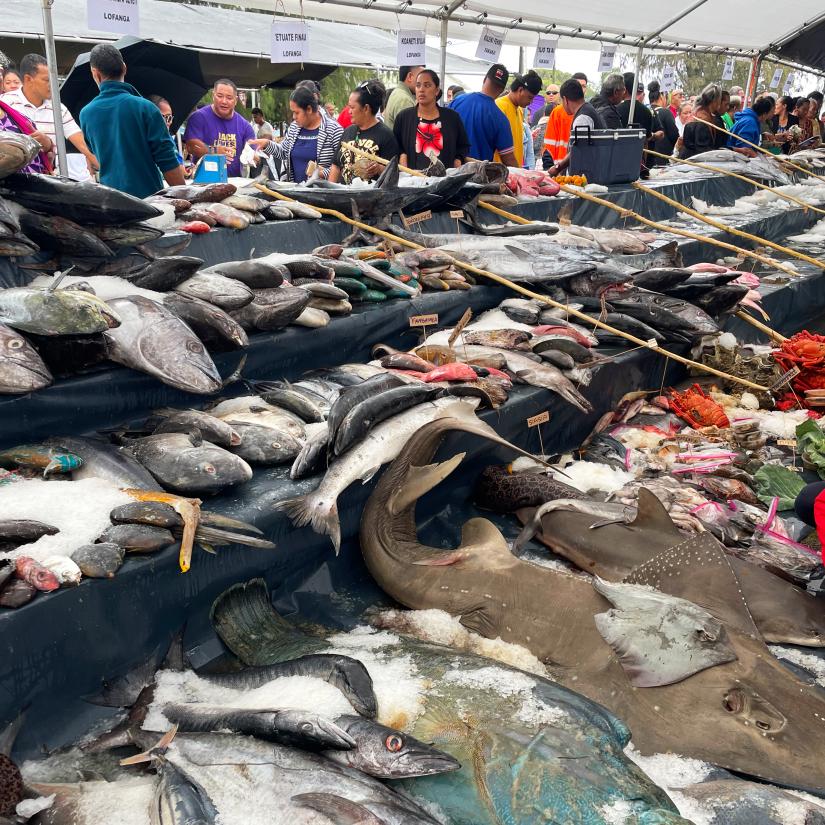
Balancing conservation, food security and the livelihoods of local fishers
Nuku’alofa, Tonga — Growing concerns among some Tongan fishers over restricted fishing areas are raising a wider question: How can Tonga protect its marine resources while ensuring that local families still have enough access to the ocean to fish for food and income?
Fishing remains an important part of life in Tonga, supporting household food security, small businesses and coastal communities. However, the increasing use of Special Management Areas (SMAs), protected areas, closed seasons, species restrictions and fishing regulations has changed where and how people can fish.
A practical example can be seen in Ha’atafu and Kolonga on Tongatapu.
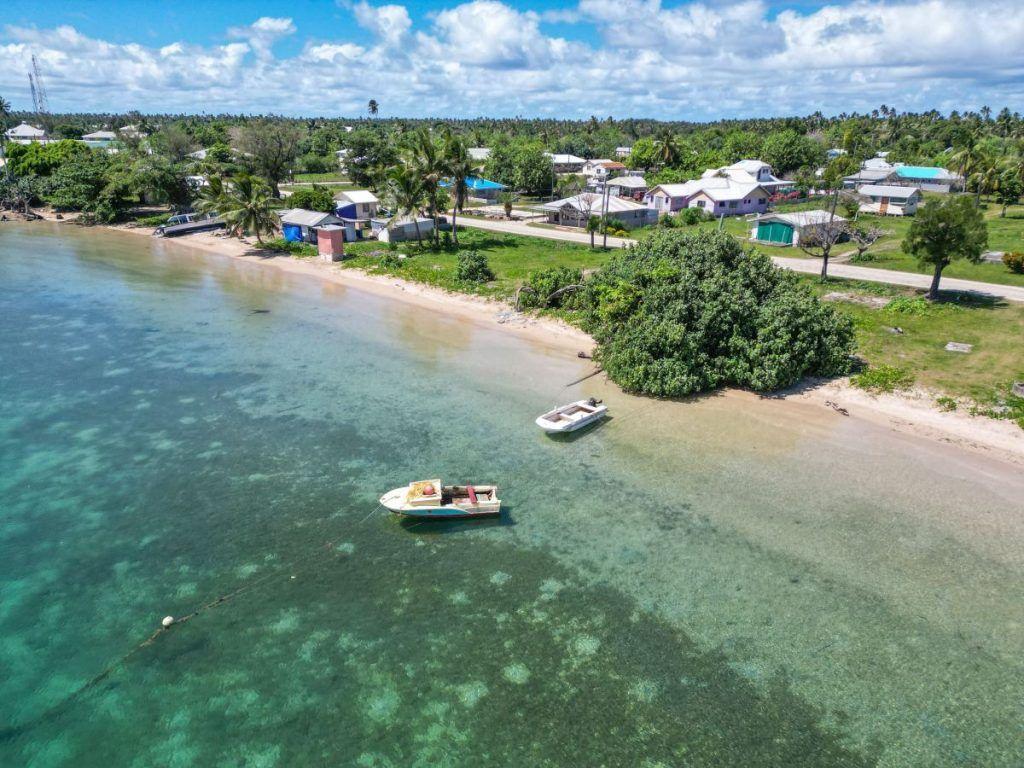
In May 2024, the Ministry of Fisheries held a boat handover for the Ha’atafu and Kolonga Special Management Areas. The Ministry recognised the communities for their work in marine conservation, sustainable fishing, data collection and fisheries monitoring.
The boats were intended to strengthen the communities’ ability to monitor and manage their local marine resources.
This demonstrates that SMA communities are not simply being excluded from their fishing grounds. They are also being given responsibilities and resources to participate in the management and protection of those resources.
However, for fishers, the important question remains whether the management rules provide sufficient opportunities for families to continue fishing legally and sustainably.
WHAT CANNOT BE FISHED?
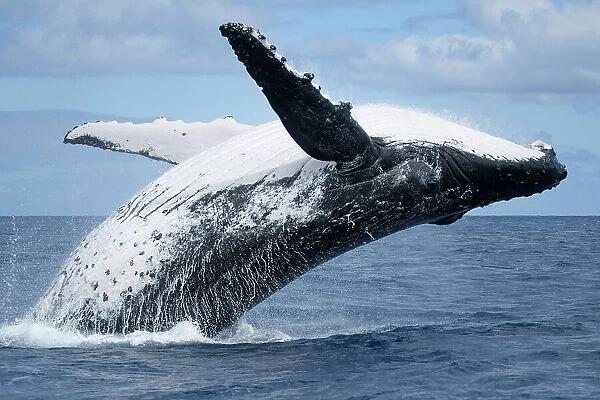
Tonga has strict protection for a number of marine species. Depending on the applicable fishery and regulations, protected species include turtles, whales and dolphins, giant grouper, bumphead parrotfish, humphead wrasse and certain rays, while other marine resources are subject to specific size limits, seasons, gear restrictions or licensing requirements.
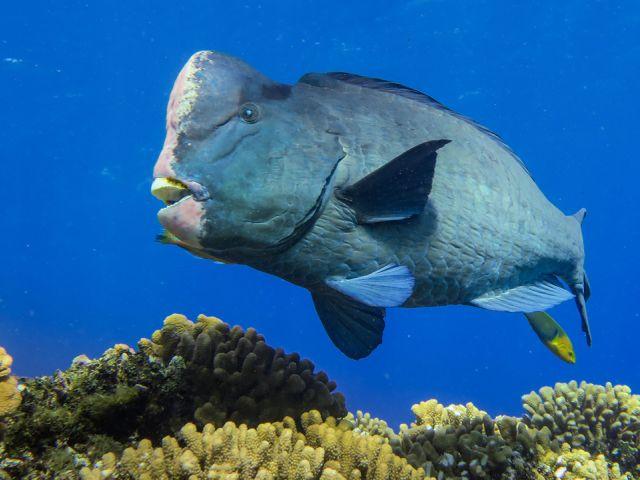
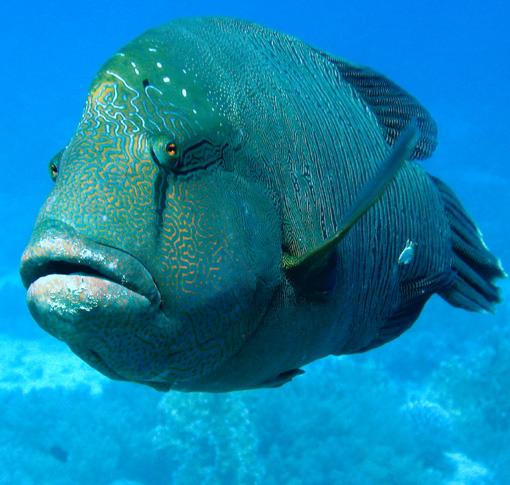
Giant clams, Triton shells and other protected marine species are also subject to strict controls, and certain species cannot be harvested or exported without the required authorisation.
There are also restrictions on the size of fish that can legally be taken, meaning that even where a species is not completely protected, undersized fish may have to be released.
The Ministry of Fisheries also uses closed seasons, such as restrictions applying to sea urchin during its designated closure period, to allow resources to reproduce and recover.
At the end of the day, the concern from some fishers is not necessarily opposition to conservation. Rather, they want to know whether enough accessible fishing grounds remain for ordinary Tongan families, particularly those who depend on fishing for their livelihoods.